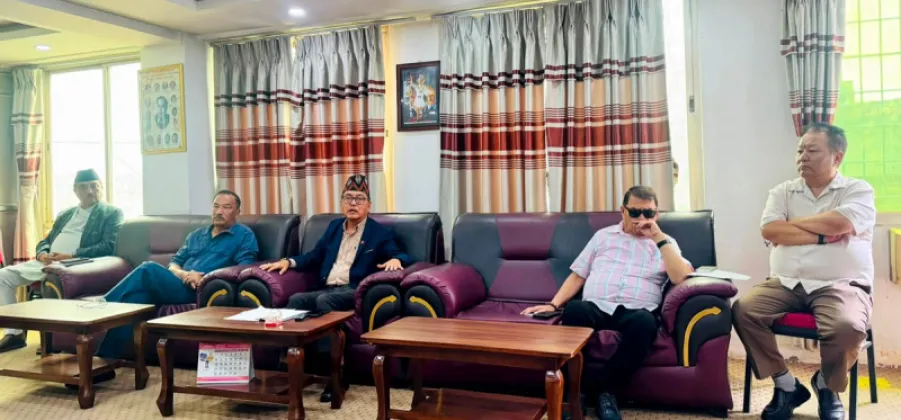
Three central leaders of the Rastriya Prajatantra Party (RPP) have resigned from the party, delivering a significant blow to the organisation at a time when it is preparing for its national convention. The leaders announced their departure through a public statement issued on Mangsir 9, making their exit a formal and public affair rather than a quiet withdrawal from party life.
In their statement, the departing leaders raised pointed questions about the way the party is being run. They cited concerns over collective leadership within the RPP and demanded greater transparency in the party's internal functioning, framing their resignation as a response to unresolved structural and procedural issues rather than a sudden personal decision.
Questions Over Collective Leadership and Transparency
The central theme of the leaders' public statement was dissatisfaction with the party's approach to collective leadership. The departing leaders indicated that the party's internal practice has failed to reflect genuine collective decision-making, and that this shortcoming has eroded their confidence in the current leadership structure.
Alongside the leadership question, the three leaders also pressed for transparency in the party's affairs. Their statement suggests that internal processes, including how decisions are made and how the party prepares for major events such as the national convention, have not met the standards they expected from a democratic party. By choosing to voice these grievances publicly, the leaders have brought internal party matters into open political debate.
The timing of the resignation, issued on Mangsir 9, is notable. With the national convention approaching, the departure of central-level leaders creates a visible distraction for a party that would otherwise be focused on consolidating its organisation and presenting unity before its cadres and the wider public.
A Sensitive Moment for the RPP
The resignations come at a particularly sensitive time for the Rastriya Prajatantra Party. National conventions are among the most important events in the life of a political party, serving as the forum where leadership is elected, policies are debated, and the party charts its future direction. The exit of three central leaders just ahead of the convention raises questions about internal cohesion that the party leadership will now have to address.
For the RPP, which has historically campaigned on the restoration of the monarchy and the re-establishment of Nepal as a Hindu state, maintaining a united front among its central leadership is essential to its political identity and public messaging. Public departures of senior figures, especially those framed around questions of leadership and transparency, complicate the party's effort to project strength going into the convention.
The public nature of the resignation is itself significant. Rather than simply stepping away, the three leaders chose to issue a statement explaining their reasons, ensuring that their concerns over collective leadership and transparency remain part of the conversation surrounding the party in the critical period before the convention.
What the Departures Mean Ahead of the Convention
The exit of three central leaders raises immediate questions about whether further departures could follow and how the party leadership will respond to the concerns that have been raised publicly. The leaders' statement, issued through a public announcement, ensures that the debate over how the RPP manages internal democracy and collective decision-making will continue in the run-up to the convention.
National conventions often intensify internal competition and factional debate within parties, and the RPP is no exception. When senior leaders leave with public criticism attached to their departure, it can shape the tone of discussions among delegates and cadres, potentially influencing how the convention unfolds.
For now, the focus will be on how the RPP leadership responds to the grievances outlined in the statement and whether the concerns over collective leadership and transparency are addressed before the party gathers for its national convention. The departure of three central leaders on the eve of such a major internal event ensures that the party's internal health will remain under close scrutiny in the days ahead.
As reported by Nagarik News, the three leaders made their exit public through a statement published on Mangsir 9, citing questions over collective leadership and transparency as the reasons for leaving the party. The RPP now enters its convention period having to manage both the organisational challenge of replacing departing central leaders and the political challenge of answering the criticisms they have voiced.
The coming days will show whether the party can contain the fallout from these resignations or whether the concerns raised by the three leaders find wider resonance within the party ranks ahead of the national convention.
Source: Nagarik News