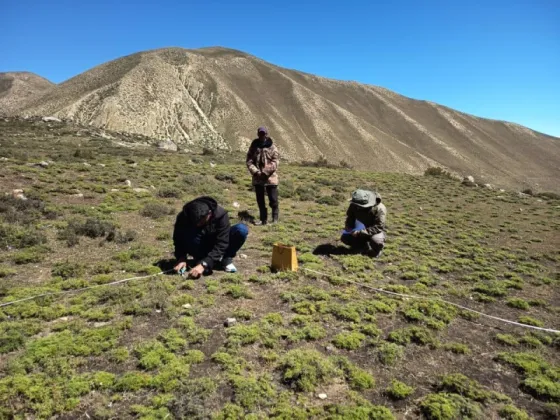
The Annapurna Conservation Area Project (ACAP) has begun a detailed study of high-altitude grazing pastures in Mustang district, collecting grass samples to support the conservation of snow leopards and their primary prey, the Himalayan blue sheep. The research aims to assess grazing conditions, grass diversity and biomass in areas where the elusive big cat roams, amid growing concerns that climate change is reducing the availability and quality of grassland on which blue sheep depend.
Why Pastures Matter for Snow Leopards
Snow leopards sit at the top of the high Himalayan food chain, and their survival is closely tied to the health of the alpine grasslands that sustain the Himalayan blue sheep, also known as bharal. When pasture conditions deteriorate, blue sheep populations can decline, forcing snow leopards to travel further in search of food and increasing the risk of conflict with local communities through attacks on livestock.
According to the study's objectives outlined by ACAP researchers, the surveys are being conducted directly in snow leopard habitats across Mustang. By measuring grass diversity and biomass at these elevations, the team hopes to build a clearer picture of how changing pasture conditions are affecting both the prey species and, in turn, the predator.
Climate Change Behind Declining Grassland
The study has been prompted by an observed decline in the availability and quality of grass in Mustang's high-altitude grazing areas, a change attributed to climate change. Shifting weather patterns, reduced precipitation and warming temperatures in the trans-Himalayan region are believed to be altering the vegetation cover that blue sheep rely on throughout the year.
Mustang, lying in the rain shadow of the Annapurna and Dhaulagiri ranges, is a key strong-hold for snow leopards in Nepal. The district's high-altitude pastures serve as critical grazing grounds not only for wild ungulates like blue sheep but also for the livestock of local communities, meaning that any further degradation of these grasslands could have consequences for wildlife conservation and pastoral livelihoods alike.
How the Study Is Being Carried Out
As part of the research, ACAP teams are surveying pastures located within known snow leopard habitats and collecting grass samples for laboratory analysis. The samples will help determine the composition of plant species, the diversity of the grassland and the total biomass available to grazing animals.
- Grass samples have been collected from multiple high-altitude pastures in Mustang
- The study assesses grazing conditions, grass diversity and biomass
- Findings are expected to inform future conservation planning for snow leopards and blue sheep
The data gathered will give conservation managers evidence-based insights into the state of the rangelands and whether interventions may be needed to protect or restore them.
Implications for Conservation
ACAP, which manages the Annapurna Conservation Area, Nepal's largest protected area, has long worked to balance wildlife conservation with the needs of local communities. The current study adds to a growing body of research examining how climate change is reshaping high mountain ecosystems in Nepal, where species such as the snow leopard are considered flagship indicators of alpine ecosystem health.
If the research confirms that grass availability and quality are indeed declining, conservation authorities may need to consider adaptive management measures, including habitat protection and grazing regulation, to safeguard the blue sheep population and ensure snow leopards have a stable prey base. The findings of the study are expected to guide ACAP's future conservation strategies in Mustang and contribute to wider national efforts to protect snow leopards, a species listed as vulnerable globally.
Further details on the study's methodology, timeline and preliminary findings have not yet been made public, but the initiative underscores the growing recognition that protecting predators like the snow leopard begins with conserving the grass beneath the hooves of their prey.