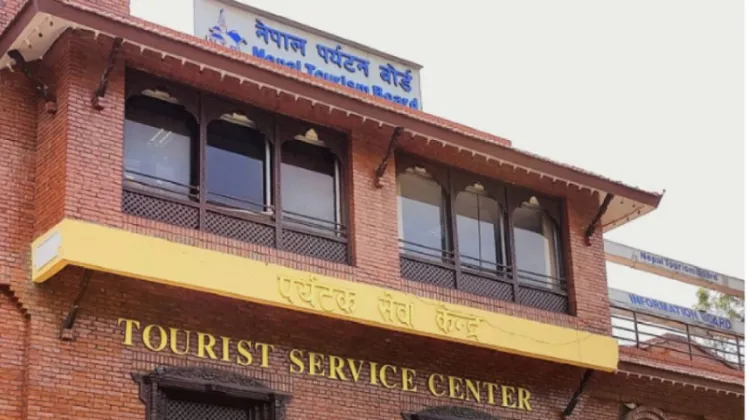
The Supreme Court on Wednesday issued a show-cause order in a writ petition challenging the selection of the Chief Executive Officer of the Nepal Tourism Board, calling into question a top appointment at the country's premier tourism promotion body.
A single bench of Justice Ratnabahadur Bagchand heard the petition and ordered the defendants named in the case to furnish written answers explaining why the challenge raised by the petitioner should not be granted. The court has given the defendants 15 days from the date they receive the notice to submit their response.
As part of the proceedings, the order also requires that the Attorney General's office be informed, making the government's top legal office a formal participant in the case as it moves forward.
The Writ Petition
The case centres on the process through which the Chief Executive Officer of the Nepal Tourism Board was selected. Petitioners moved the Supreme Court through a writ petition raising objections to that selection process, prompting the court to seek an official explanation from the concerned authorities.
Under the show-cause procedure, the defendants are required to appear before the court with a written reply stating why the writ should not be issued as demanded by the petitioner. The 15-day deadline gives the board and other involved parties a defined window to justify the selection process that has been challenged.
The Nepal Tourism Board is the national body responsible for promoting Nepal as a tourism destination, and the appointment of its Chief Executive Officer is a key decision that oversees the institution's operations, planning and promotional campaigns.
Court Proceedings and What Comes Next
The hearing was conducted by a single bench presided over by Justice Ratnabahadur Bagchand. Single benches of the Supreme Court routinely handle the initial stage of writ petitions, deciding whether the opposing parties should be summoned to respond before any further order is issued.
With the show-cause order now in place, the case will return before the court once the defendants file their written answers within the stipulated 15-day period. The court will then examine whether the selection process conformed with the applicable laws and procedures governing appointments at the Nepal Tourism Board.
The inclusion of the Attorney General's office in the proceedings means the state's legal representatives will be part of the hearings as the matter is examined. The Attorney General's office serves as the principal legal adviser to the Government of Nepal and typically represents government bodies in litigation before the courts.
Significance for the Tourism Sector
The case has drawn attention because it touches on the leadership of the Nepal Tourism Board at a time when the institution plays a central role in the country's tourism economy. The Board coordinates with government agencies, private-sector stakeholders and international partners to market Nepal's destinations and support the tourism industry.
A legal challenge to the appointment of the Board's chief executive adds a layer of uncertainty over the institution's leadership until the court resolves the question. The outcome of the case could determine whether the selection process stands or faces judicial intervention.
Further hearings in the matter are expected after the deadline for the defendants' responses expires. The Supreme Court is yet to make any substantive ruling on the merits of the petition, and the show-cause order represents the preliminary stage of the proceedings.