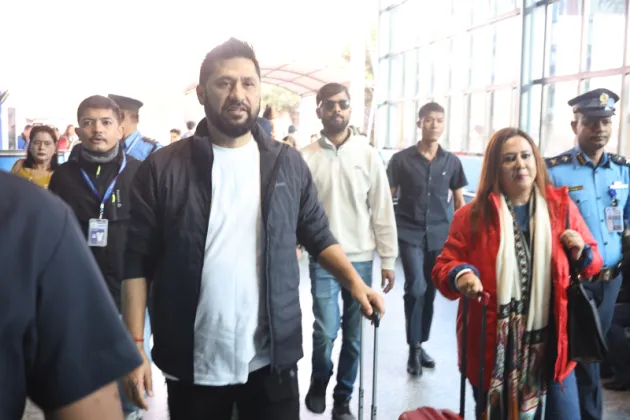
Prominent Nepali figure Ravi Lamichhane has said that he is travelling to India to fulfil a religious vow he made while he was in prison, and that the visit will be devoted to worshipping at temples there. The statement was reported on 23 October 2026 by the online outlets Baahrakhari and Nepal Lead, which quoted him as saying that the pledge, taken during his time behind bars, would now be completed through temple visits in India. The announcement presents the journey as an act of personal faith and gratitude rather than a political or official engagement, and it stands out for the way it connects a difficult period of his life with a spiritual commitment he now intends to honour.
A Promise Made Behind Bars
According to the reports, Lamichhane made the vow during the period he spent in prison, and he has now said that he will travel to India to complete it. In his statement, he indicated that the fulfilment of the pledge would take the form of visits to temples in India, a familiar way of honouring such commitments in Nepali religious practice.
The reports, as carried by Nepal Lead and Baahrakhari, did not elaborate on the circumstances in which the vow was originally made. The core of the statement, however, is clear: a promise made in a moment of hardship is now, in his own words, due to be fulfilled.
Vows and their place in Nepali religious life
Vow-taking is a deeply rooted practice among Nepali Hindus. Devotees facing illness, legal trouble, imprisonment or other forms of distress frequently promise a deity that, if they come through the difficulty, they will make an offering, perform a ritual or undertake a pilgrimage. The act of completing that promise is seen as an expression of gratitude and as the formal closing of a difficult chapter in a person's life.
For many devotees, fulfilling a vow involves travelling to a significant shrine, and temples in India have long been destinations for Nepali pilgrims making good on such promises. Against that backdrop, Lamichhane's statement, as reported, fits a well-known cultural pattern: a pledge made in adversity, to be honoured through worship at temples once circumstances allow.
What the Reports Say
The statement was carried by two Nepali online outlets on 23 October 2026. The key points that emerge from the coverage are the following:
- Lamichhane has said he is going to India to fulfil a vow.
- The vow was made while he was in prison.
- He stated that he would visit temples in India to complete the pledge.
- The statement was reported by Baahrakhari and Nepal Lead on 23 October 2026.
Beyond these points, the available reports do not go into further detail about the planned visit, leaving several obvious questions unanswered, from the specific destinations on his itinerary to the timing of the journey itself.
What Remains Unclear
The reports published so far do not specify which temples Lamichhane intends to visit, when he will depart, how long the trip will last, or whether he will be accompanied by family members, colleagues or others. Nor do they indicate whether the visit has any purpose beyond the fulfilment of the vow, or whether he plans to make any public remarks while in India.
For readers, the details that are available are limited to his own framing of the trip: that it is the completion of a promise made in prison, to be carried out through temple visits across the border. Any further information will depend on follow-up statements or additional reporting, and no itinerary or further comment from him has been made available in the coverage published on 23 October 2026.
Faith in the Public Eye
Announcements of this kind tend to attract wide attention in Nepal, where the religious observances of well-known figures are closely followed and readily reported. A vow made during imprisonment carries particular resonance, because it links a period of personal difficulty to a subsequent act of devotion, and the completion of such a pledge is often read by supporters as an expression of thanksgiving.
At the same time, statements that reference time spent in prison inevitably remind the public of that chapter in a prominent figure's life, whatever the spiritual intent behind the words. In this case, Lamichhane's reported remarks were brief and personal in nature, focused on the vow itself and on the temple visits through which he says he intends to fulfil it, rather than on any other matter.
For now, the story rests on a single, simple thread: a promise made behind bars, and a journey to India that, according to the reports of 23 October 2026, he says he will make in order to keep it. Whether further details of the trip emerge in the coming days will determine how much more can be said about the pledge and its completion.