Basanta Danda in Tinau Rural Municipality-3 of Palpa has emerged as a tourist destination, a marked change for a hill once known for a clash between the then CPN (Maoist) and the Nepali Army during Nepal’s armed conflict. The transformation has gathered pace over the past four years, with the Lumbini Cable Car operating on the hill and investment flowing into the area, according to reports from Butwal.
From conflict-era site to visitor destination
The hill’s place in local memory is linked to the armed conflict, when it was the scene of a confrontation between Maoist forces and the Nepali Army. That history remains part of the site’s identity, even as its current profile increasingly reflects tourism. Basanta Danda is now described as an attractive destination for visitors, illustrating a significant shift in how the location is used and recognized.
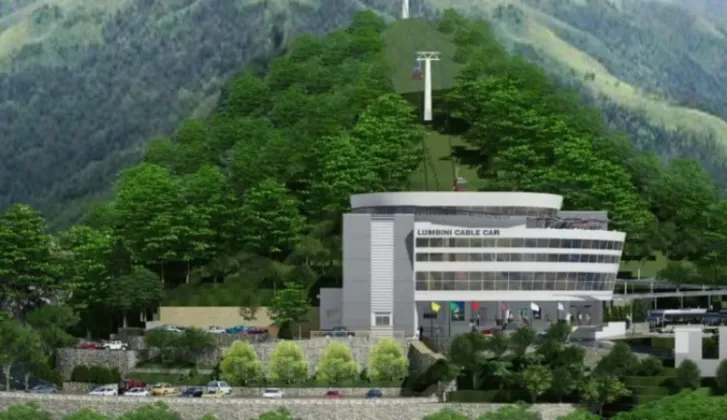
The change has taken place alongside the operation of the Lumbini Cable Car. The service has been running on the hill for the past four years, providing a new reason for visitors to travel to the area. Reports describe the cable car’s presence as part of the broader transformation that has helped make the hill a tourist spot. The available accounts do not specify visitor numbers or detail the facilities available, but they point to the cable car as a central development in the destination’s recent growth.
Cable car operation draws investment
Investment has also been flowing into the area as tourism activity has developed. The reports link this investment to the operation of the cable car and the hill’s growing attraction for visitors. Together, the transport service and investment signal a change in the area’s economic direction, from a place chiefly remembered for conflict-era events to one increasingly associated with tourism.
The scale and type of the investment have not been detailed in the available information. However, the reported flow of investment indicates that businesses and other investors are responding to the hill’s growing tourism profile. The development is taking place in Tinau Rural Municipality-3, Palpa, where Basanta Danda is becoming a focus for visitors and tourism-related activity.
A changing identity for Basanta Danda
The contrast between the hill’s past and present is central to the story. Its conflict-era history is a reminder of the confrontation between the Maoists and the Army, while the cable car and the growth of tourism have given the site a different public role. The reports do not suggest that the history has disappeared; rather, the hill is now being recognized both for its past and as a destination attracting visitors.
That transition also highlights how the operation of a tourism service can reshape the profile of a place. At Basanta Danda, the Lumbini Cable Car has been in operation for four years, while investment is flowing in and the hill is being described as an attractive tourist spot. These developments mark the area’s current transformation without erasing the events that made it known during the armed conflict.
The hill’s emergence as a destination places Basanta Danda among the areas in Palpa drawing attention through tourism. For Tinau Rural Municipality-3, the change is reflected in the growing role of the cable car, the reported investment and the increased prominence of the site as a place to visit. The reports from Butwal describe a hill whose identity is shifting, from a conflict-era location to a tourism destination.