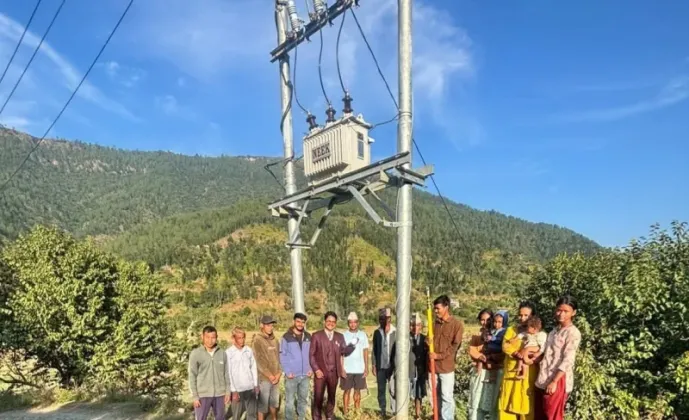
The Nepal Electricity Authority (NEA) has successfully extended national grid electricity to the Dhorpatan Valley, a renowned tourist destination located in the western part of Baglung district. The connection, reported on November 27, 2026, marks a significant milestone in the efforts to bring reliable power supply to one of Nepal's most scenic yet previously off-grid valleys.
The Authority completed the project by building the necessary transmission and distribution infrastructure to channel electricity from the national transmission system into the valley. With this development, residents and businesses in Dhorpatan are now able to draw power directly from the national grid, ending their dependence on more limited and less reliable sources of electricity.
Boost for Tourism and Local Economy
Dhorpatan Valley is widely known as a tourist area, most notably as the home of the Dhorpatan Hunting Reserve, the only hunting reserve in Nepal, which attracts both domestic and international visitors. Until now, the area's growth as a tourism hub has been constrained in part by inadequate infrastructure, including access to dependable electricity.
The arrival of national grid power is expected to change that dynamic. Reliable electricity can support hotels, lodges and other hospitality services that cater to tourists, while also improving living conditions for the local population. Better access to power also creates opportunities for small businesses and local industries that previously struggled with energy constraints.
Infrastructure Built by the Electricity Authority
The extension of the grid to Dhorpatan required the Nepal Electricity Authority to construct dedicated transmission lines and distribution networks capable of carrying electricity from the national transmission system across challenging terrain to the valley. Baglung district, situated in the western hills of Nepal, presents difficult geography for infrastructure projects, making the completion of this connection a notable engineering and logistical achievement.
By investing in this transmission and distribution infrastructure, the Authority has demonstrated its ongoing nationwide effort to expand access to electricity to remote and underserved areas. Connecting communities like Dhorpatan to the national grid aligns with broader national goals of universal electrification and balanced development across the country's hill and mountain regions.
What the Connection Means for Dhorpatan
For the people of Dhorpatan, the arrival of grid electricity represents more than just light bulbs and charged devices. A stable power supply can:
- Improve the quality of life for local households, who will no longer have to rely on intermittent or costly alternative sources of energy.
- Enable tourist facilities to offer better services, such as heating, lighting and communication, which are essential for visitors in the high-altitude valley.
- Support the operation of local businesses and public services that depend on electricity.
- Encourage further investment in the valley, as reliable infrastructure is often a precondition for economic development.
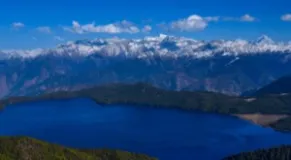
The Dhorpatan area, with its sweeping grasslands, high mountain backdrop and unique status as a hunting reserve, has long been considered a destination with significant untapped tourism potential. Better energy access is expected to play an important role in helping the valley realize that potential.
Part of Nepal's Wider Electrification Drive
Nepal has made considerable progress in recent years in expanding its national grid and increasing electricity generation, largely through hydropower projects. As generation capacity has grown, the focus of the Nepal Electricity Authority has increasingly turned toward ensuring that power reaches communities across the country, including remote hill and mountain districts that were historically left out of the grid network.
The connection of Dhorpatan Valley fits within this broader national picture. Electrification of remote areas is seen not only as a service delivery milestone but also as a tool for reducing out-migration, supporting local economies and distributing the benefits of the country's hydropower resources more equitably.
For Baglung district, which already hosts a number of hydropower projects and has been a beneficiary of energy-sector development, the extension of grid electricity to Dhorpatan adds another layer to its infrastructure profile. Local stakeholders hope the improved power supply will help the valley develop as a year-round destination.
Looking Ahead
With the national transmission system now reaching Dhorpatan Valley, attention is expected to turn to how effectively the new connection is utilized by residents and the tourism sector. The availability of grid electricity removes one of the key infrastructure barriers to the valley's development, and it is anticipated that local businesses and service providers will move to make full use of the new supply.
As of the November 27, 2026 report, the Nepal Electricity Authority has completed the transmission and distribution work needed to bring grid power to the valley, closing a chapter in the area's infrastructure story and opening the door to new possibilities for its people and its tourism industry.
This report is based on coverage from Ratopati, Nagarik News and Nepal Samaya.