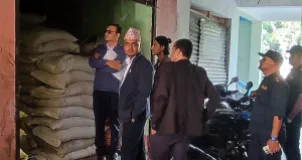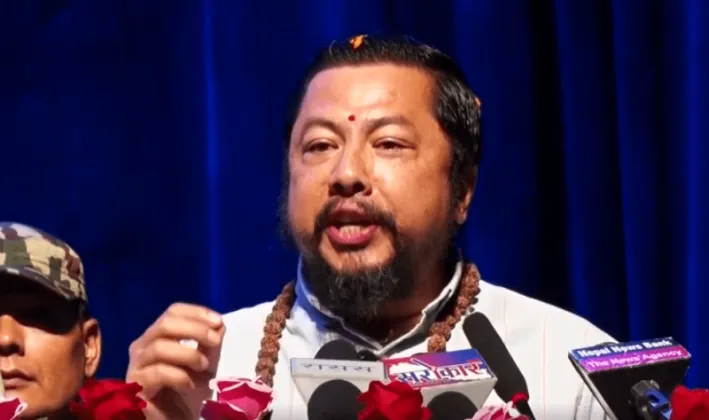
Minister for Energy, Water Resources and Irrigation Biraj Bhakta Shrestha is visiting Gandaki Province on November 27, 2026, for an on-site monitoring tour of the irrigation and energy sectors. The visit will take the Minister through several districts of the hill province, where he is scheduled to inspect flood damage, review the progress of reconstruction efforts, and assess risk reduction measures taken up by the ministry and its associated bodies in the aftermath of recent disasters.
The field visit has been billed by the ministry as an effort to take the government's oversight machinery directly to the communities affected by floods and other water-induced disasters. Rather than relying solely on reports submitted from the districts, the Minister intends to observe conditions on the ground, evaluate the state of damaged infrastructure, and gauge whether reconstruction and mitigation work is moving at an acceptable pace.
Districts Covered Under the Monitoring Tour
The itinerary includes districts across Gandaki Province, one of the country's most hydropower-rich provinces and an area where rivers, streams and irrigation systems play a central role in local livelihoods. According to the details available, the Minister will visit:
- Kaski, home to Pokhara and a hub of the province's economic activity
- Syangja, a district with significant hydropower development and irrigation networks
- Myagdi, which has seen repeated impacts from floods and landslides along its rivers
- Baglung, a hill district where river training and embankment works are a persistent public concern
- Parbat, where irrigation channels and settlements along streams face recurring monsoon-related risks
At each of these locations, the Minister is expected to carry out direct inspections of project sites and damaged structures. The focus, according to officials, will be on verifying the extent of flood damage, checking the status of reconstruction work that has already begun, and reviewing the risk reduction measures that have been put in place to protect communities ahead of future monsoon seasons.
Listening to People's Concerns
A central purpose of the visit, as described by the ministry, is to listen directly to the concerns of local residents. The Minister has indicated that he wants to hear from the public about issues related to landslide control, the construction and maintenance of embankments along rivers and streams, and the implementation of irrigation projects in their areas.
Such concerns are widespread across Gandaki Province, where steep terrain, fragile slopes and fast-flowing rivers make settlements and farmland particularly vulnerable during the monsoon. Landslides frequently sever irrigation canals and damage infrastructure, while untreated riverbanks allow floods to wash away cultivated land and threaten homes. Residents in the affected districts have long demanded stronger embankments and faster repair of damaged systems, and the Minister's decision to take these grievances on-site is being seen as an attempt to connect federal-level planning with local needs.
Irrigation projects, in particular, remain a priority issue for farming communities across the five districts. Many farmers depend on canal systems fed by rivers and streams, and disruptions to these networks directly affect agricultural production. By inspecting these projects firsthand, the ministry hopes to identify where resources need to be redirected and where ongoing work requires acceleration.
Reconstruction and Risk Reduction in Focus
The monitoring tour comes at a time when reconstruction of flood-damaged infrastructure is a major concern for the energy and irrigation sectors. Floods and landslides in recent monsoons have damaged canals, embankments, hydropower-related installations and rural access routes in Gandaki Province, forcing agencies under the ministry to undertake repairs even as new disaster risks loom.
The Minister's inspection will examine whether risk reduction measures, including slope stabilization, river training and embankment construction, are being implemented effectively. Reducing disaster risk has become an increasingly important component of the ministry's work, as repeated flood events have shown that infrastructure built without adequate mitigation measures often requires costly repairs year after year.
Field monitoring visits by federal ministers are intended to ensure that the concerns raised by district-level offices and local governments are reflected in national planning. In the energy and water resources sectors, where projects are often spread across remote and difficult terrain, such direct oversight is considered essential for verifying that budgets are being spent where they are most needed and that communities affected by disasters are not left waiting for relief.
Signals of Federal Attention to Gandaki's Needs
The visit by Minister Shrestha underscores the ministry's attention to Gandaki Province, a region that contributes significantly to Nepal's hydropower generation while simultaneously facing some of the most acute risks from water-induced disasters. The combination of inspecting damaged sites, reviewing reconstruction, and soliciting public input reflects an approach that treats disaster response, infrastructure rehabilitation and community engagement as interconnected tasks.
During the tour, the Minister is expected to gather information that will inform the ministry's subsequent decisions on allocating resources for reconstruction, embankment works, landslide control and irrigation development in the province. The concerns collected from residents during the field visits are likely to feed into the ministry's planning for the affected districts.
The visit is taking place under the coordination of the Ministry of Energy, Water Resources and Irrigation, with the minister's schedule covering multiple sites across the five districts in a single-day program on November 27, 2026. Further details of the findings and any announcements made during the tour are expected to be shared by the ministry following the completion of the visit.