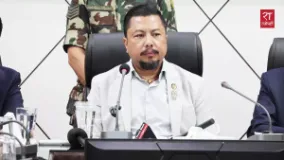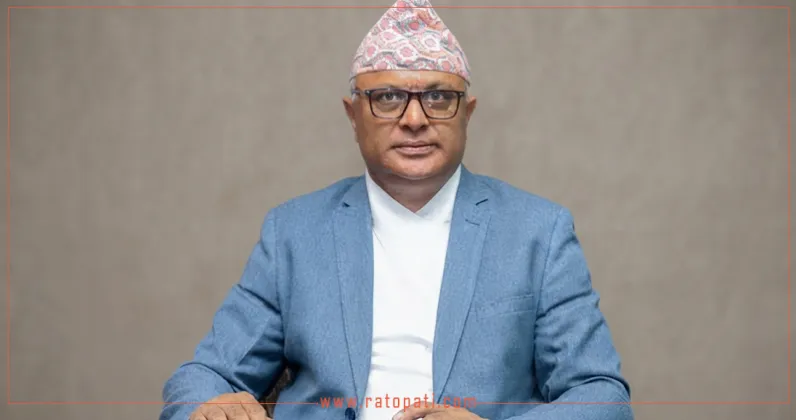
Koshi Province Chief Minister Hikmat Kumar Karki has said that roads built in the hill areas must not become a means of driving people out of the hills. Addressing a function organised at Tumbewa Rural Municipality in Panchthar district, where he inaugurated a 14.9-kilometre road, Karki observed that people have continued to leave their villages even after blacktopped roads have been completed, a trend he said stands in contrast to the very purpose for which such infrastructure is built.
The Chief Minister's remarks came as the provincial government steps up its agenda to check the steady outflow of population from the hill districts of Koshi Province, where abandoned settlements and shrinking villages have become an increasingly familiar sight.
Roads Should Serve Tourism, Agriculture and Daily Life
Speaking at the inauguration ceremony, Chief Minister Karki said that the roads being constructed in the hill regions should instead support tourism, agriculture and the daily needs of the people living there. According to him, the real test of infrastructure is not whether it is completed, but whether it improves livelihoods and keeps communities rooted in their own localities.
Karki's concern reflects a wider paradox seen across Nepal's hills: the arrival of road connectivity has, in many places, coincided with accelerated migration rather than prosperity. Families often use improved transport links to move household belongings to Terai towns or cities, turning what was meant to be a bridge to opportunity into a route of exit.
Provincial Agenda to Reduce Hill Migration
The Koshi provincial government, Karki said, is working on an agenda to reduce migration from the hill areas. He positioned road development within this broader policy goal, stressing that investment in connectivity must be paired with economic activity so that residents can earn, access services and build futures without having to leave.
Koshi Province, which includes hill districts such as Panchthar along with the Terai plains, has been among the provinces grappling with depopulation in its upper settlements. Local leaders and planners have repeatedly pointed to the need for agriculture-based enterprises, tourism circuits and rural services to make village life viable, and Karki's comments at Tumbewa align with that push.
Road Inauguration at Tumbewa
The occasion of the Chief Minister's visit was the inauguration of a 14.9-kilometre road within Tumbewa Rural Municipality of Panchthar district. The event drew local attention as one of the significant infrastructure milestones in the rural municipality, and the Chief Minister used the platform to outline his vision of what hill roads should deliver.
For residents of Tumbewa and neighbouring settlements, the newly inaugurated road is expected to ease daily movement and transport. But Karki's message was that this connectivity must translate into more than convenience - it should open markets for local farm produce, bring visitors to the district's hill landscapes, and give young people reasons to stay.
A Message for Policy and Practice
The Chief Minister's remarks underline a growing recognition among policymakers that infrastructure alone does not retain populations. Roads, he suggested, are only the means; the ends are prosperous tourism, thriving agriculture and dignified everyday life in the hills.
With the provincial government framing a dedicated agenda against hill migration, the challenge ahead will be to link projects like the Tumbewa road with livelihood programmes, market access and service delivery. Karki's statement in Panchthar signals that Koshi Province intends to judge its infrastructure spending not just in kilometres of blacktop, but in the number of families who remain in, and return to, the hills.