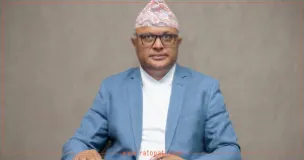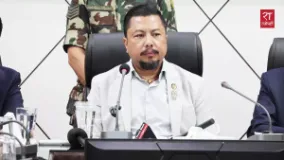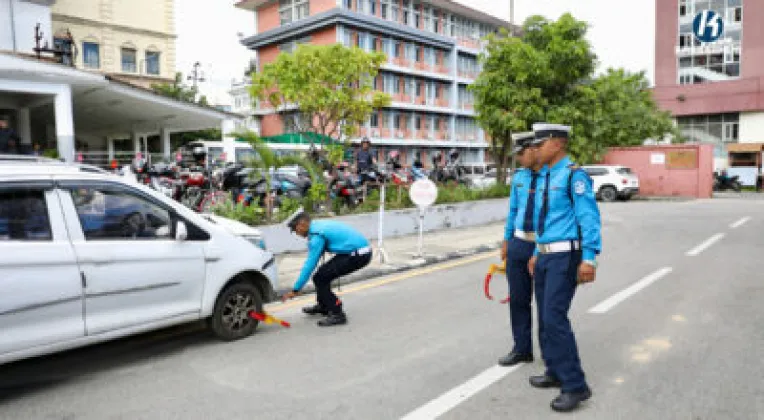
Suresh Prasad Kafle, the chief of the Kathmandu Valley Traffic Police, on Sunday directed traffic personnel deployed on the valley's roads to behave politely, courteously and in a friendly manner with drivers and citizens. Kafle issued the instruction while speaking at a farewell and "phir bhetaula" programme organised at the Valley Traffic Police Office, according to reports published by Khabarhub, RatoPati and Thaha Khabar.
A directive for courteous conduct on the roads
The message from the traffic police chief was direct: enforcing the rules of the road must go hand in hand with respectful treatment of the people the force serves. Addressing the personnel present at the programme, Kafle said traffic police on the streets should behave politely, courteously and in a citizen-friendly manner whenever they interact with drivers and members of the public.
As reflected in the reports, his direction centred on three elements of everyday conduct:
- Politeness in speech and behaviour while dealing with drivers and riders;
- Courtesy toward citizens who approach traffic personnel on the streets; and
- Friendliness in the overall attitude of officers deployed across the valley's roads.
Kafle's remarks positioned courteous behaviour not as a courtesy gesture but as an expectation for the force, underlining that the manner in which traffic police deal with people is as important as the enforcement duties they carry out.
A farewell and a "phir bhetaula" gathering
The occasion for the address was a farewell and "phir bhetaula" programme held at the Valley Traffic Police Office on Sunday. The phrase "phir bhetaula" translates roughly as "we will meet again" and is commonly used at send-off functions within Nepal's police and security institutions, where colleagues who have served together gather to bid each other farewell.
The reports did not specify who was being farewelled at the event, nor did they detail the full list of attendees or other speeches delivered at the programme. Beyond Kafle's directive on citizen-friendly behaviour, the articles offered no further particulars about the gathering, leaving the scope of the event limited to the chief's message to the personnel in attendance.
The visible face of the state on the streets
The emphasis on behaviour carries particular weight in Kathmandu Valley, where traffic police are among the most visible representatives of state authority. Stationed at intersections, check posts and busy road stretches, they manage congestion, enforce traffic rules, assist pedestrians and respond to road incidents. Because this work brings them into direct and daily contact with commuters, drivers, pedestrians and business operators, the way traffic personnel speak and act often shapes public impressions of the entire police institution.
A force that treats citizens with respect is better placed to earn cooperation in return, from voluntary compliance with traffic rules to public support in day-to-day policing. Conversely, rude or heavy-handed conduct on the roads can quickly erode public trust and generate resentment toward the authorities. Kafle's instruction to his personnel reflects the understanding that traffic management is, at its core, a service delivered to the public rather than a mere exercise of authority.
Building trust through everyday interactions
For a force deployed from early morning until late evening at busy points across the capital, small gestures such as explaining a rule patiently, listening to a driver's explanation or assisting a confused pedestrian can make a significant difference to how the public experiences traffic enforcement. It is this everyday, roadside contact between uniformed personnel and ordinary citizens that Kafle's directive sought to guide, stressing that politeness, courtesy and friendliness should define each of those encounters.
The traffic chief's address thus served a dual purpose: marking a send-off for colleagues at the Valley Traffic Police Office and reminding those who continue to serve on the streets that citizen-friendly conduct remains central to their mandate in the capital. Further details about the programme, including other matters discussed at the event, were not available in the reports.