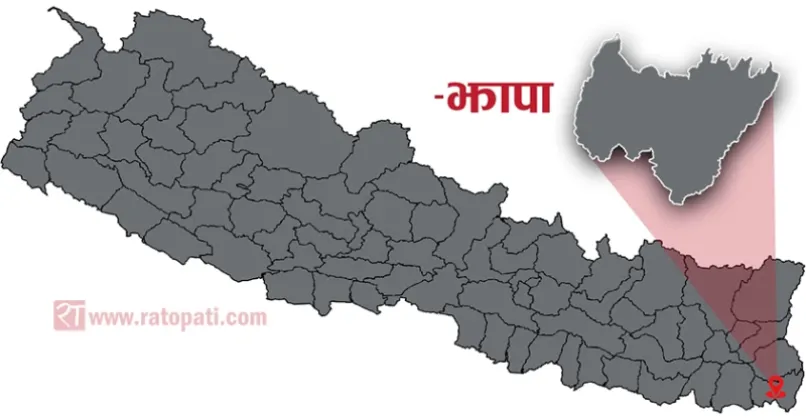
A total of 857,199 people in Jhapa district have enrolled in the government health insurance programme, representing 86 percent of the district’s population, according to the Health Insurance Board. The scheme is intended to make quality health services more easily and equitably accessible to citizens, while families with at least five members pay an annual premium of Rs 3,500 to enrol.
Enrollment in Jhapa
The figure means that more than four out of every five people in Jhapa are enrolled in the programme, based on the share reported by the Board. The number of enrollees is 857,199, while the reported coverage rate is 86 percent of the district’s total population. The Board’s figures provide a district-level measure of participation in the government scheme.
The reported enrollment is a significant indicator of how widely the programme has reached residents in Jhapa. However, the figures provided do not specify how many enrolled people have used health services through the scheme, which facilities they visit or how satisfied they are with the services. The enrollment rate describes participation, while the programme’s stated objective is to support access to quality care.
Government’s access goal
The government aims to ensure that all citizens can access quality health services easily and equitably through the health insurance programme. The scheme is designed around that goal, with enrollment offering a route for families to participate in the insurance system.
The emphasis on both ease of access and equity sets out the programme’s intended role: to support access to care across the population. Jhapa’s reported enrollment figure shows the scale of participation in the district, but the information released does not detail how the programme is being implemented locally or whether access differs between communities.
Annual premium for families
Families with at least five members pay an annual premium of Rs 3,500 to enrol, according to the information provided about the scheme. That is the stated contribution for a qualifying family. The available details do not specify premium rates for households of other sizes, benefit limits, covered treatments or the process for making claims.
The premium information gives households one concrete measure of the cost of joining the programme. The Board’s enrollment figure and the stated annual payment together offer a snapshot of participation and the family contribution associated with enrolment, though they do not describe the full range of services available to members.
What the figures show
Jhapa’s 857,199 enrollees make up 86 percent of the district’s population, according to the Health Insurance Board. The figure indicates broad participation in the government initiative, whose stated purpose is to improve easy and equitable access to quality health services for citizens.
The enrollment rate alone does not establish whether members can obtain care without difficulty or whether service quality meets the programme’s objective. Those outcomes are not included in the reported figures. For now, the Board’s data provides a measure of how many people in Jhapa have joined the scheme, while the government’s stated goal remains access to quality health care for all citizens.