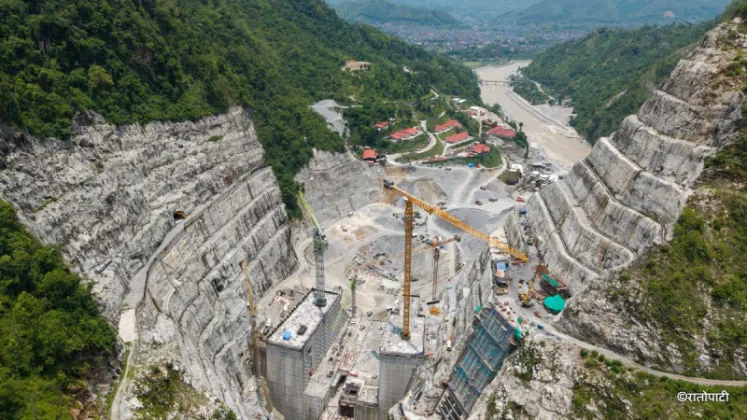
The under-construction 140-megawatt Tanahun Hydropower Project has begun constructing three alternative habitats for bats within the project area, in a bid to protect the flying mammals from possible disturbance caused by ongoing development activities. According to project officials, the move comes as tree felling and other construction work threaten to disturb the natural roosting sites of bats in and around the project footprint.
Alternative Shelters Under Conservation Plan
The construction of the wooden bat shelters is being carried out as part of a wildlife conservation and habitat management plan prepared for the project. Project Chief Shyamji Bhandari said the wooden shelters are being set up under this plan to provide the bats with safe alternative roosts.
Bats typically roost in mature trees, tree hollows, crevices and other natural shelters. When such trees are felled during construction activities like land clearing, excavation and access road building, the animals can lose their roosting sites. The alternative habitats are designed to compensate for the loss of such natural shelters within the project-affected area.
Environmental Safeguards in Hydropower Development
The Tanahun Hydropower Project, a 140-megawatt scheme, is one of Nepal's significant under-construction energy projects. Large infrastructure undertakings of this scale generally require environmental management measures to mitigate their impact on local ecosystems and wildlife.
The creation of alternative bat habitats is an example of such mitigation efforts, addressing concerns that construction-induced tree felling could displace or disturb bat populations in the project area. By providing purpose-built shelters, the project aims to ensure that the wildlife affected by development work retains suitable roosting opportunities.
Ongoing Construction
The project is currently under construction, and activities associated with its development have been progressing in the project area. Project officials indicated that the alternative habitats have been initiated alongside these works so that disturbance to the bats can be minimised as construction advances.
With the three alternative habitats being set up, the project administration expects to fulfil the commitments made in its wildlife conservation and habitat management plan, demonstrating attention to biodiversity concerns even as the country pushes forward with hydropower expansion to meet its energy needs.
The Tanahun Hydropower Project's initiative reflects a growing emphasis within Nepal's hydropower sector on incorporating environmental safeguards, with the bat habitat programme serving as a concrete step towards balancing infrastructure development and wildlife conservation in the project zone.