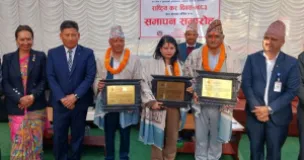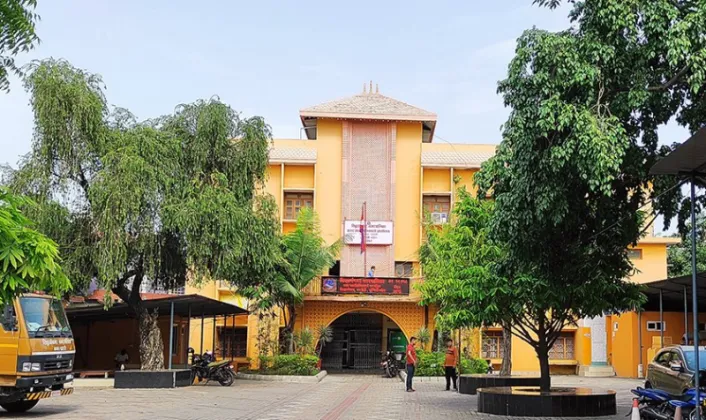
Siddharthanagar Municipality in Rupandehi district has formally handed over the responsibility for managing waste in the town to a private company, signing a five-year contract that covers collection, transport, sorting and final disposal of waste across the municipal area. The agreement was signed on Monday, marking a significant shift in how the rapidly urbanising municipality plans to tackle one of the most persistent challenges facing its residents.
Under the deal, the municipality has contracted Vatavaraniya Sundar Sarasafai tatha Krishi Pravardhan Afof Nepal Pvt. Ltd., a company based in Mayadevi Rural Municipality-7 of Rupandehi. With the signing of the agreement, the private firm will now be responsible for the day-to-day operations of waste management in the municipality, from collecting household and commercial waste to transporting it and carrying out its final disposal.
Five-Year Commitment
The contract, signed on Monday, runs for a period of five years and entrusts the company with the full cycle of waste management in the town area. According to the agreement, the company's responsibilities include collecting waste from the municipal area, transporting it, sorting it, and carrying out its final disposal.
This means that the municipality is no longer directly performing these services itself. Instead, it will rely on the private operator to keep the town clean, with the arrangement intended to bring consistency and professional management to a service that local governments across Nepal have long struggled to deliver effectively.
The signing of the agreement formalises the municipality's decision to move waste management out of direct municipal operation and into the hands of a private service provider, a model that has been adopted by a growing number of urban local governments in Nepal in recent years.
The Company Behind the Contract
The firm awarded the contract, Vatavaraniya Sundar Sarasafai tatha Krishi Pravardhan Afof Nepal Pvt. Ltd., is registered in Mayadevi Rural Municipality-7 of Rupandehi district, making it a company with local roots in the same district as Siddharthanagar. The company's name, which translates roughly to an environmentally focused enterprise, reflects its stated orientation toward environmental cleanliness and agricultural improvement.
By selecting a company based within Rupandehi, the municipality has chosen an operator familiar with the local geography and conditions. The awarding of the contract to this firm follows the municipality's decision to open up the service to private participation.
Why the Move Matters
Waste management has become one of the most pressing issues for Nepal's municipalities as urban populations grow and the volume of waste generated in towns and cities continues to rise. Local governments often lack the equipment, manpower and technical capacity needed to collect waste regularly, transport it efficiently and dispose of it safely, leading to problems ranging from overflowing collection points to unmanaged dumping sites.
Siddharthanagar, which borders the Lumbini heritage site and serves as an important commercial and transportation hub in the western Tarai, faces these pressures like other fast-growing municipalities in the country. Handing the responsibility to a private company under a five-year contract is intended to address these challenges by placing the service with an operator dedicated to the task.
The agreement also reflects a broader trend in Nepal's urban governance. Many municipalities have experimented with involving private operators, community organisations and cooperative models in waste management, hoping to improve service delivery where direct municipal operations have fallen short. Siddharthanagar's five-year contract with a private firm places it firmly within this national trend.
What the Contract Covers
The scope of the agreement signed on Monday covers the complete waste management chain within the municipal area:
- Collection of waste from the town area
- Transportation of the collected waste
- Sorting of waste
- Final disposal of waste
By bundling these functions into a single contract, the municipality has given the private company end-to-end responsibility for waste management. This structure places accountability with a single operator and allows the municipality to focus on oversight and regulation rather than day-to-day operations.
The five-year duration of the contract also provides the company with a longer operational horizon, which is expected to support planning and investment in the service over time.
Looking Ahead
The effectiveness of the arrangement will ultimately be judged by residents, whose daily experience of waste collection and street cleanliness will show whether the private model delivers better results than the previous approach. As the agreement has only just been signed, the focus now shifts to implementation, with the company expected to take up its responsibilities for collecting, transporting, sorting and disposing of waste in the municipal area.
For Siddharthanagar Municipality, the five-year contract represents a decisive step in restructuring an essential urban service. Whether it proves successful, the agreement signed on Monday signals the municipality's willingness to try new institutional models to keep its town clean, and it will be closely watched as an example of private participation in municipal waste management in Rupandehi and beyond.