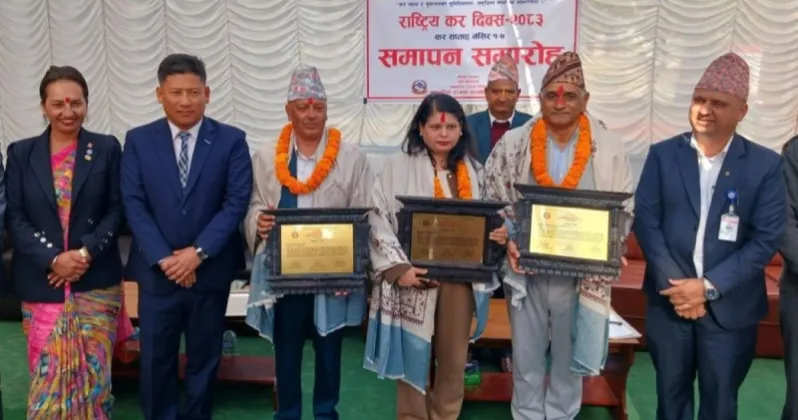
The Inland Revenue Office in Pokhara has surpassed its revenue collection target for the first four months of the current fiscal year, achieving 104 percent of the goal set for the period ending in mid-November. By the end of the Nepali month of Kartik, the office had collected Rs 2.36 billion, exceeding its proportional target by 4 percent and signaling a strong start to the fiscal year for one of the key tax administration offices outside the capital.
Strong Start to the Fiscal Year
The achievement was confirmed at the close of Kartik, the fourth month of the Nepali fiscal year, which runs from mid-July to mid-November in the Gregorian calendar. For the first four months of the current fiscal year, the Pokhara office was expected to collect revenue in line with its annual plan, and it managed to go beyond that benchmark despite the challenges that typically weigh on tax collection in the early months of a fiscal year.
The office has been set an annual revenue target of Rs 8.54 billion for the current fiscal year. By the end of Kartik, it had already collected Rs 2.36 billion, a figure that represents 104 percent of the target proportionate to the first four months. Reaching above the proportional target at this stage places the office in a favorable position as it moves into the middle months of the fiscal year, when revenue collection generally picks up further.
What the Collection Figures Show
Revenue collection in the first four months of a fiscal year is often viewed as an early indicator of how the full year may unfold. Offices that fall behind in this period frequently spend the remainder of the year trying to catch up, while those that exceed early targets gain a cushion that can absorb slower months later on. The Pokhara Inland Revenue Office's 4 percent surplus suggests that taxpayer compliance and administrative collection efforts have been steady during this period.
The Rs 2.36 billion collected by Kartik month-end comes from the range of taxes that inland revenue offices administer, including income tax, value added tax (VAT), and other domestic taxes. These collections form a core part of the government's internal revenue mobilization, which is a central pillar of the national budget.
Context: Revenue Targets and the Annual Goal
The annual target of Rs 8.54 billion assigned to the Pokhara office reflects the government's broader revenue expectations for the current fiscal year. Inland revenue offices across the country are given annual targets based on their jurisdictions, the volume of registered taxpayers, and past collection trends. Meeting or exceeding these targets is closely monitored, as shortfalls in tax collection often force adjustments in government spending plans.
Kartik, the month that ended in mid-November, marks an important checkpoint in the Nepali fiscal calendar. With one-third of the fiscal year complete, revenue offices typically assess whether their collection pace is on track. The Pokhara office's performance at this checkpoint, at 104 percent of its target, indicates that it is ahead of the pace needed to meet its full-year goal of Rs 8.54 billion.
Why the Performance Matters
Performance against revenue targets matters for several reasons. First, tax collections fund public services, infrastructure, and development programs, reducing dependence on borrowing. Second, consistent collection by major offices such as Pokhara contributes to the credibility of the national revenue system and to fiscal planning at the federal level.
Pokhara is the principal urban and economic center of the western region, and its Inland Revenue Office serves a jurisdiction that includes businesses, industries, and individual taxpayers across the surrounding area. A surplus of 4 percent over the target in the first four months suggests that economic activity within the jurisdiction has been generating tax revenue at a healthy rate during this period.
Looking Ahead
With Rs 2.36 billion already collected against an annual goal of Rs 8.54 billion, the Pokhara office still has the majority of its yearly target to fulfill in the remaining months of the fiscal year. However, the early surplus provides a buffer. Revenue collection in Nepal typically accelerates in the second half of the fiscal year as annual tax filings, VAT settlements, and year-end compliance activities increase.
The office's performance by the end of Kartik offers an early positive signal for revenue administration in the region for the current fiscal year. If the current pace holds, the office will be well placed to meet, and potentially exceed, its full-year target of Rs 8.54 billion when the fiscal year concludes.
Source: Nagarik News