Safety concerns along the Himalayan trekking routes of Karnali Province have moved to the centre of local discussion, with growing calls for the construction of shelters along the high-altitude trails that cut through some of Nepal's most remote mountain terrain. The demand, highlighted in recent reporting by Nepal Views, draws attention to the risks trekkers face on these routes and the absence of basic infrastructure to protect them when conditions deteriorate. For those who walk Karnali's high trails, the argument goes, even a simple shelter could mean the difference between a safe passage and a dangerous emergency.
Treacherous Terrain, Thin Margins for Error
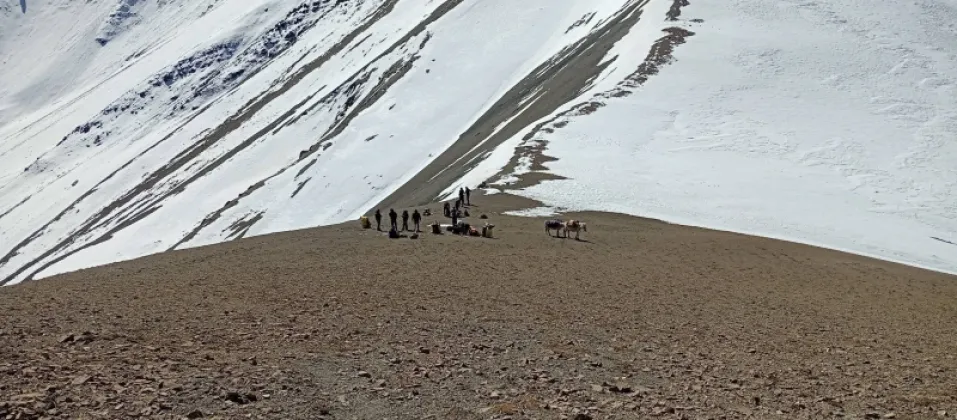
Karnali, Nepal's largest province by area and among its least developed, stretches across the country's mid-western and north-western reaches. Its Himalayan belt encompasses districts known for remote trekking trails that climb far above the valleys, passing through landscapes where settlements are sparse and travel between them can take days. It is precisely in this terrain that the reports highlight the risks faced on the high-altitude trails, where trekkers are exposed to the elements for long stretches without reliable places to rest or take cover.
The challenges described on these routes are those familiar to anyone who has travelled in the high Himalaya, but they are magnified in Karnali by the region's isolation and thin infrastructure:
- Altitude: trails in the province's Himalayan reaches run at elevations where the air is thin and the risk of altitude-related illness rises sharply.
- Unpredictable weather: mountain conditions can shift quickly, turning a clear day into a hazardous one with cold winds, snowfall and poor visibility.
- Remoteness: long segments of trail pass through uninhabited country, leaving trekkers far from help when something goes wrong.
- Limited rescue options: with few roads, thin communications and difficult terrain, reaching an injured or stranded traveller can be slow and complicated.
It is against this backdrop that the safety concerns have been raised, with observers pointing to the need for basic protective infrastructure along the trails rather than leaving trekkers to the mercy of the elements.
Why Shelters Are Being Demanded
At the heart of the current discussion is a straightforward demand: the construction of shelters along Karnali's Himalayan trekking routes. As presented in the reporting, the call for shelters is framed as a practical measure to address the safety challenges in the region, offering trekkers somewhere to retreat to when weather closes in, when daylight fades on a long stretch of trail, or when illness or exhaustion makes it unsafe to continue.
The proposed shelters would serve several purposes on the high routes:
- Refuge from the elements, providing cover during sudden storms, heavy snowfall or dangerously low temperatures.
- Safe resting points, breaking up long and exposed segments of trail where no other protection exists.
- A place to manage emergencies, allowing trekkers who fall ill or suffer injury to wait for help rather than being forced to keep moving.
- Improved confidence for visitors, reassuring both domestic and international trekkers that the routes can be walked with a basic margin of safety.
Advocates of the idea stress that such structures need not be elaborate. In the context of the current demands, even modest shelters offering a roof, a windbreak and a place to rest would represent a meaningful improvement over the present situation, in which trekkers on the high trails have little in the way of engineered protection.
Infrastructure and the Future of Tourism in Karnali
The shelter demand also speaks to a larger question about tourism in Karnali. The province is home to some of Nepal's most striking mountain landscapes and holds considerable appeal for trekkers seeking routes far from the busier trails of the country's better-known trekking regions. Yet that same remoteness, which gives the routes their appeal, also makes infrastructure investment both difficult and essential. The reports highlight the need for basic infrastructure to protect trekkers as a precondition for safer travel in the region, framing the shelters not as a luxury but as a foundation for the sector's development.
Supporters of the call argue that the equation is a simple one. Trekkers will only continue to explore Karnali's Himalayan routes, and the local economies along those routes will only benefit, if the journeys can be made with reasonable safety. Shelters, as the demand is presented, are a direct and relatively low-cost step toward that goal, complementing the broader infrastructure needs of a region where basic facilities remain thin on the ground.
What Comes Next
For now, the calls for shelters rest with the authorities and agencies responsible for the region's trails and tourism promotion. The safety concerns raised along Karnali's Himalayan trekking routes, and the demand for construction of shelters in response, have been clearly articulated; what remains is for planning and investment to follow. As the reporting by Nepal Views makes plain, the risks on these high-altitude trails are real, and the need for basic protective infrastructure is no longer a matter for debate but, increasingly, a matter of urgency for anyone who travels Karnali's mountain paths.