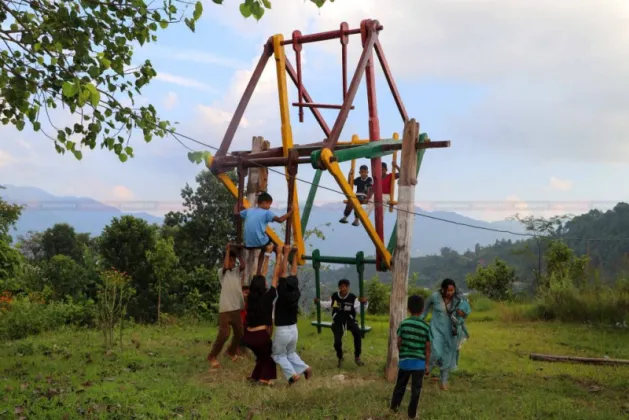
Five writers recalled the excitement and rituals of childhood Dashain in opinion pieces published by Pradesh Khabar between October 19 and October 20, 2026, describing memories of new clothes, charkhe ping swings, festive meals, dakshina and visits to relatives’ homes for tika and jamara. Their reflections also consider how the festival feels different as people grow older and take on more responsibilities, with their attention now turning to the happiness Dashain brings their children.
Childhood Dashain: clothes, swings and family visits
The writers’ memories centre on familiar pleasures that made the festival special in childhood. Getting new clothes, eating meat and receiving dakshina stand out alongside the chance to play on charkhe ping, the traditional swings associated with Dashain. These recollections describe the festival through the experiences children looked forward to, rather than through the responsibilities that would come with adulthood.
The visits to relatives’ homes for tika and jamara are another important part of the remembered celebrations. For the writers, these visits were linked with receiving blessings and dakshina, as well as spending time with family. Together, the details offer a picture of Dashain as a festival experienced through both its customs and the anticipation surrounding them. The memories bring individual pleasures - new clothes, food and swings - together with the shared practice of visiting relatives.
The pieces do not treat any one ritual as the whole meaning of the festival. Instead, they recall a combination of activities and family occasions that shaped childhood Dashain: playing, eating, dressing up and joining relatives for tika and jamara. The writers’ accounts focus on the pleasure they found in those experiences and the warmth of remembering them later in life.
How celebrations change with age
A central theme across the five reflections is the change that comes with growing up. The writers note that Dashain is celebrated differently as responsibilities increase. The childhood perspective, in which the festival is associated with receiving new clothes or dakshina and enjoying time on the swings, gives way to a different experience as people take on greater obligations.
The pieces do not say that Dashain’s traditions have disappeared. Rather, they describe a change in how the writers relate to the festival. The customs recalled from childhood remain part of their memories, while the way they experience the occasion has shifted over time. The contrast is between the excitement they remember as children and the responsibilities that now shape their celebrations.
This movement from receiving to taking responsibility is reflected in the writers’ changing source of happiness. As children, they recall enjoying the gifts and activities of Dashain. Today, they say, their happiness comes from seeing their own children enjoy the festival. The focus has moved from what the writers themselves received to the pleasure of watching the next generation experience Dashain.
Memories passed on to a new generation
The reflections connect personal memories with family life across generations. Tika, jamara and visits to relatives appear in the recollections of childhood, while the writers’ present-day perspective is shaped by their children’s enjoyment. In that way, the accounts describe both a change in the adults’ role and the continued importance of sharing the festival with family.
The writers’ memories preserve details of what made Dashain enjoyable to them: the anticipation of new clothes, the fun of charkhe ping, festive food, dakshina and time spent visiting relatives. Their observations about growing responsibilities add a second perspective, showing how the same festival can feel different at another stage of life. The customs remain part of the story, but the source of joy changes.
The five pieces, published over two days by Pradesh Khabar, present Dashain as both a childhood memory and a family occasion experienced anew through children. Their reflections bring together the pleasures they remember and the happiness they now find in seeing their children enjoy the festival. Read together, they offer a personal account of changing traditions without losing sight of the rituals and family visits at the heart of those memories.