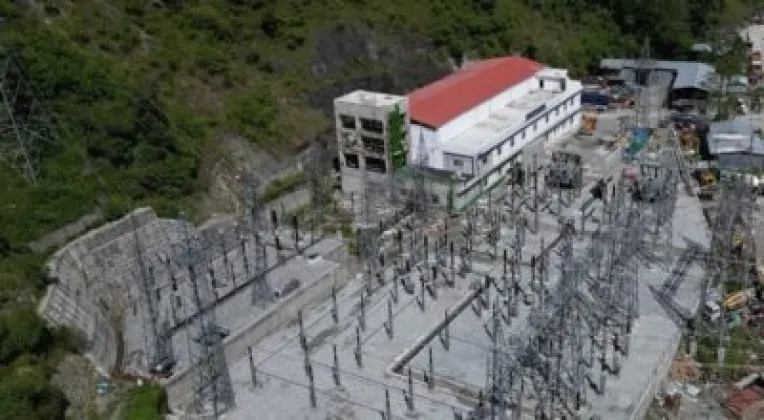
The 40-megawatt Rahu Ghat hydropower project in Myagdi district has entered commercial production, roughly 15 years after construction first began. The project was built by Raghu Ganga Hydropower, a subsidiary of the state-owned Nepal Electricity Authority (NEA), and its delayed journey to operation marks the end of one of the country's more protracted hydropower construction sagas.
From 32 megawatts to 40
The project did not always have its current capacity. It was initially developed at 32 megawatts, but was later restructured and upsized to 40 megawatts. That restructuring was one of several steps the project took as it attempted to get past repeated setbacks and move toward completion.
A construction history of setbacks
The long delay in bringing Rahu Ghat online was the result of a string of problems that plagued the project over the years. According to the project, the main obstacles included:
- Contractor problems that disrupted the early phases of construction
- The cancellation of contracts, forcing the project back to the drawing board
- Restructuring of the project, including the capacity increase
- The selection of a new contractor to restart work
- The COVID-19 pandemic, which halted progress across Nepal's construction sector
- Floods and landslides that damaged works and impeded access
- A shortage of river-based construction materials
Taken together, these setbacks stretched the construction timeline by more than a decade, meaning the project is now set to be completed only after roughly 15 years of effort.
Significance for the national grid
As a subsidiary venture of the Nepal Electricity Authority, the project's entry into commercial production adds 40 megawatts of generating capacity from the Myagdi district. The utility has pursued hydropower development directly as well as through subsidiary companies, and Rahu Ghat's commissioning represents a milestone for that model of state-led development.
The coming online of the project also closes a chapter for Nepal's energy sector, which has in recent years seen a wave of projects reaching operation after long gestation periods. For the communities of Myagdi and the wider national grid, the addition of the Rahu Ghat plant's output comes after a wait that began a decade and a half ago.
A decade and a half in the making
The story of Rahu Ghat illustrates the difficulties that have confronted hydropower construction in Nepal's difficult terrain. Contractor disputes and contract cancellations cost the project years at the outset, while the pandemic and natural disasters - floods and landslides - repeatedly set back physical progress. Even the supply of basic materials posed challenges, with a shortage of river-based construction materials further slowing work.
With commercial production now under way, the project has moved past the obstacles that defined its construction period. The transition to the production phase signals that the plant is generating electricity, and the project is on course for final completion 15 years after work at the site first began.