Pokhara is preparing to host the third edition of the Dain festival, a celebration dedicated to traditional agriculture, rural life and local products, on Mangsir 12. The event will take place at Naubise Tole in Lekhnath, Ward 29 of Pokhara Metropolitan City, and is being organised jointly by Pokhara Metropolitan City and the Pokhara Tourism Council, with promotional support from the Nepal Tourism Board.
Organisers unveiled the details of the upcoming festival at a press conference held in Pokhara on Wednesday. Speaking at the event, they highlighted the growing international interest in the festival, announcing that 50 foreign tourists have already registered to attend. The festival will run under the slogan 'Pokhara for all seasons', reflecting the city's ambition to position itself as a year-round destination.
A Festival Rooted in Rural Heritage
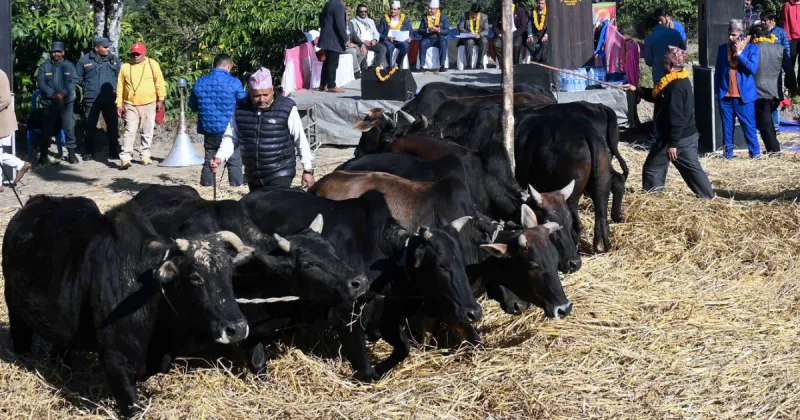
The Dain festival has been conceived as more than a cultural showcase. According to the organisers, its central purpose is the preservation of traditional agriculture, the rural lifestyle of communities around Pokhara, and the promotion of locally produced goods. By bringing these elements together in a single public celebration, the festival seeks to keep alive practices that are increasingly under pressure from urbanisation and changing economic patterns.
The choice of venue is significant. Naubise Tole in Lekhnath, located in Ward 29 of Pokhara Metropolitan City, is an area closely associated with farming and rural traditions. Holding the festival in this setting allows visitors to experience the agricultural culture in its natural context, rather than in an urban exhibition space. Organisers expressed hope that the location itself will become part of the attraction for both domestic and international visitors.
Tourism Promotion and Economic Hopes
The involvement of the Nepal Tourism Board in promoting the festival underlines the event's dual character as both a cultural preservation effort and a tourism product. With the slogan 'Pokhara for all seasons', organisers are framing the Dain festival as part of a broader strategy to attract visitors to Pokhara throughout the year, rather than concentrating tourist interest in a single peak season.
The early registration of 50 foreign tourists was presented at the press conference as an encouraging signal for the festival's international appeal. Organisers indicated that this foreign participation demonstrates the potential of agriculture- and culture-based events to draw international visitors, adding a new dimension to Pokhara's tourism offering beyond its better-known natural attractions.
Local stakeholders in the tourism sector have consistently argued that festivals of this kind can generate meaningful economic benefits for rural communities. By drawing visitors to wards on the periphery of the metropolitan city, events like the Dain festival help spread tourism revenue beyond the lakeside areas that traditionally capture most of the city's tourist spending. Local farmers and producers of traditional goods also stand to benefit from direct sales and exposure to a wider customer base.
Preservation Meets Promotion
The Dain festival reflects a growing trend in Nepal's tourism planning, where cultural and agricultural heritage is increasingly treated as an asset to be showcased rather than a relic to be forgotten. Rastriya Samachar Samiti-linked coverage of the event described it as a festival aimed at promoting traditional agricultural culture alongside tourism in Pokhara, capturing the twin objectives that organisers have set for themselves.
The collaboration between Pokhara Metropolitan City and the Pokhara Tourism Council illustrates how local government and private sector tourism bodies are working together on cultural programming. The additional promotional role played by the Nepal Tourism Board suggests that the festival has been recognised at the national level as a contributor to Nepal's wider tourism promotion efforts.
For the organisers, the third edition represents an opportunity to build on the foundations laid by the previous two festivals. While the summary information released at the press conference focused on the core details of date, venue and organisation, the emphasis on registration figures and the festival slogan points to a professional, marketing-conscious approach to the event's presentation.
Looking Ahead to Mangsir 12
With the date set for Mangsir 12 and preparations now publicly underway, attention turns to the festival itself. Visitors attending the event at Naubise Tole in Lekhnath can expect a programme built around traditional agriculture, rural lifestyle displays and local products, all presented within the framework of promoting Pokhara as a destination for every season.
Organisers have used the press conference in Pokhara to generate advance publicity, and the confirmed participation of 50 foreign tourists provides early evidence of the festival's reach. As the third edition of the Dain festival approaches, both the Metropolitan City and the Pokhara Tourism Council will be looking to demonstrate that an event rooted in the area's agricultural traditions can stand alongside Pokhara's more famous attractions as a draw for visitors from Nepal and abroad.
Further details about the festival programme are expected from the organisers as the Mangsir 12 date approaches. Interested readers can follow updates through the coverage published by Nagarik News, Khabarhub and Ratopati.