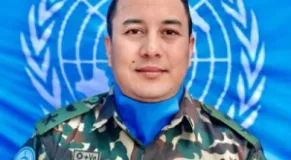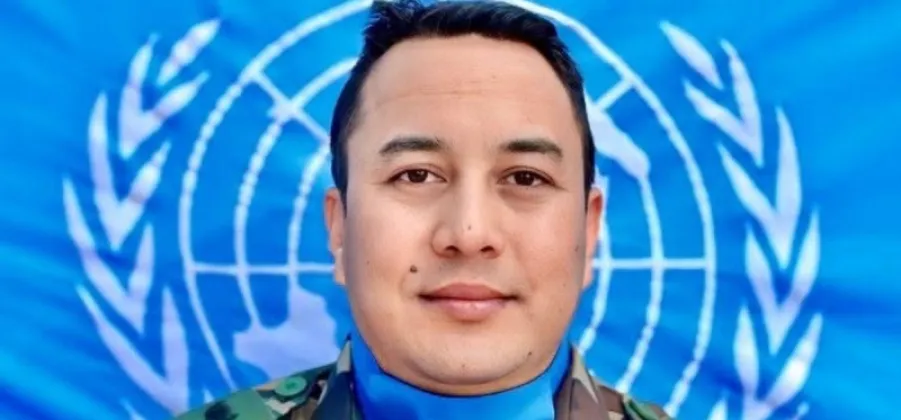
Lieutenant Colonel Rabin Thapa of the Nepali Army, currently serving in the Democratic Republic of the Congo as a battalion commander with the United Nations peacekeeping mission MONUSCO, has drawn attention for the way his unit has placed women peacekeepers at the centre of its field work. According to reports published by Nagarik News and News of Nepal, women serving under his command have been deployed in patrols, in community engagement and in roles that have traditionally been dominated by men. The reports describe Thapa as a commander who has stood out for advancing the women, peace and security agenda inside an active UN mission, prompting discussion both within peacekeeping circles and at home in Nepal.
Women at the Centre of Battalion Operations
The reports highlight that under Thapa's leadership, female peacekeepers are not confined to rear or support duties but are visible in the operational life of the battalion. The deployments described in the reports include:
- Patrols, where women peacekeepers operate alongside their male colleagues in the field
- Community engagement, bringing peacekeepers into direct contact with local populations
- Roles traditionally dominated by men, a shift the reports single out as notable within the mission
The significance of these assignments lies in what they signal about how the battalion is organised. In many militaries, women were historically steered toward medical, administrative or logistics posts, while operational tasks such as patrolling remained the preserve of male soldiers. By deploying women in these roles as a matter of routine, the reports suggest, Thapa's battalion has made the presence of women peacekeepers a normal feature of its day-to-day operations rather than an exception.
For a mission like MONUSCO, where peacekeepers' relationship with local communities often shapes their effectiveness, that visibility matters. Women peacekeepers engaged directly with communities are better placed to reach women and children in the areas where the battalion operates, and the reports frame this as one of the practical outcomes of Thapa's approach.
Tying the Women, Peace and Security Agenda to the Field
The reports emphasise that Thapa has been noted for linking the women, peace and security agenda with military operations and civilian protection. That agenda, rooted in the UN Security Council's landmark commitments on women, peace and security, rests on the idea that women's participation in peacekeeping improves outcomes for the populations the missions serve, and that protecting women and girls in conflict settings is a core task rather than a secondary concern.
What makes the reports on Thapa striking is that they describe this agenda being put into practice at the level of a battalion commander, not merely restated in mission policy documents. In practical terms, his efforts have meant treating the deployment of women peacekeepers as an operational asset tied directly to the battalion's duties, including the protection of civilians, which remains one of the central responsibilities of UN peacekeeping in the Congo.
By connecting the agenda to operations, the reports indicate, Thapa has demonstrated how command decisions on who patrols, who engages communities and who leads in the field can serve the wider goals of the mission. His battalion has effectively become an example of the agenda translated into practice, which the reports identify as the reason he has attracted attention within the mission.
The Mission and the Setting
MONUSCO, the United Nations Organisation Stabilization Mission in the Democratic Republic of the Congo, is one of the largest and longest-running peacekeeping operations the UN has fielded. It operates in a country where parts of the east have long been affected by the activity of armed groups, and where the protection of civilians is a defining element of the mission's mandate.
In such a setting, peacekeeping practice has long recognised that community engagement is not optional but essential. Patrols and outreach determine whether peacekeepers are trusted by the population they are deployed to protect, and whether the mission receives timely information about threats. The reports on Thapa's battalion sit within this context: women peacekeepers deployed in patrols and community engagement are part of an effort to make the battalion's presence more effective in the areas where it serves.
The Nepali peacekeepers under his command, the reports note, are carrying out these duties as part of Nepal's contribution to the mission, adding a national dimension to the attention the battalion has received.
Why Nepal Is Paying Attention
The question posed by Nagarik News, asking why the lieutenant colonel deployed in Congo is being talked about, reflects the interest the reports have generated in Nepal. Nepal is among the leading contributors of troops to United Nations peacekeeping, and the service of Nepali soldiers in missions abroad is a matter of national pride. Coverage of a Nepali battalion commander being recognised for advancing the women, peace and security agenda has therefore resonated with readers at home.
The reports also carry a message about the Nepali Army's own experience. Nepali women peacekeepers serving under Thapa have taken on tasks long dominated by men, and the fact that this has drawn attention within the UN mission is presented in the reports as a credit to both the officer and the institution he represents.
A Command Approach Under the Spotlight
Taken together, the reports portray Lieutenant Colonel Rabin Thapa as an example of how leadership at the operational level can advance the women, peace and security agenda in concrete terms. Rather than remaining a policy aspiration, the agenda in his battalion shows up in who goes on patrol, who meets local communities and who takes on responsibilities previously reserved for men.
For UN peacekeeping in the Democratic Republic of the Congo, and for Nepal's own peacekeeping tradition, the reports suggest that the battalion's experience offers a working model of how women peacekeepers can be integrated fully into mission life. That, the coverage concludes, is why the commander leading them has become a subject of discussion well beyond the area where his battalion is deployed.