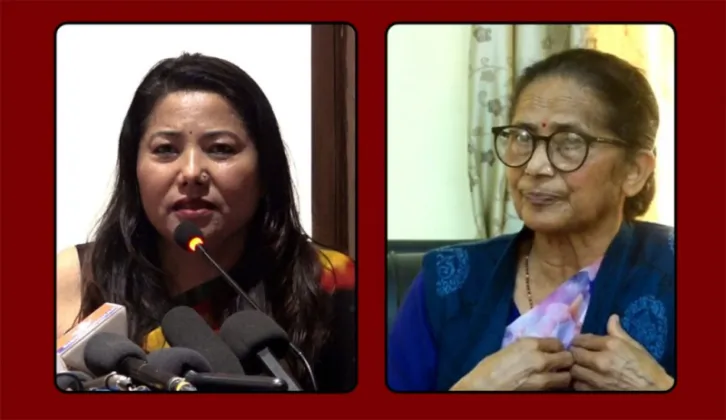
Violence against women in Nepal has not come to an end, and its nature is changing, according to reports from Kathmandu. While physical and mental violence within families remains a persistent problem, new forms of abuse have emerged alongside it, including character assassination on social media, cyber violence, public humiliation and political violence. The shifting patterns of abuse were addressed in an interview with a leader of the CPN-UML who also serves as a member of the National Assembly.
Traditional violence persists even as new forms emerge
Despite years of legal reforms, awareness campaigns and institutional mechanisms aimed at protecting women, the reports make clear that violence against women in Nepal remains an unresolved issue. The most familiar forms of violence, physical abuse and mental or psychological mistreatment inside the family, continue to affect women across the country.
What has changed, according to the discussion, is the wider landscape in which women are now targeted. The interview with the UML leader and National Assembly member focused on these shifting patterns, underlining that the struggle against gender-based violence cannot remain confined to addressing violence within the household alone.
Cyber violence and character assassination on social media
Among the new challenges highlighted in the reports is the growing use of social media as a tool of abuse. Character assassination through online platforms has become a means of attacking women's dignity and reputation, often reaching wide audiences quickly and leaving lasting damage to the victims' personal and social lives.
Cyber violence has emerged as a distinct category of harm that many women are ill-equipped to confront. Unlike physical violence, abuse conducted through digital channels can be persistent, difficult to trace and hard to escape, with harmful content capable of circulating long after the initial attack. Public humiliation, whether online or in person, has similarly become a method of exerting control over and punishing women.
Political violence among the emerging threats
The reports also identify political violence as one of the changing faces of abuse faced by women in Nepal. The inclusion of political violence in the discussion reflects the recognition that women who engage in public and political life can become targets of violence and hostility because of their participation.
The interview, published on November 25, 2026, by Nepal Press under the headline "Changing nature of violence against women: character assassination and cyber violence on social media are a growing challenge," brought these issues into public focus. The same story was carried by Nepal Views and Pradesh Khabar, indicating the breadth of concern over the evolving forms of violence against women in the country.
A challenge that demands broader responses
The overall picture that emerges from the reports is that violence against women in Nepal is not a static problem. As society becomes more connected through digital platforms, and as women increasingly participate in public and political spheres, the methods used to harm and silence them have diversified.
The conversation with the UML leader and National Assembly member underscored that addressing this changing reality requires attention not only to domestic violence and abuse within families, but also to the newer arenas of social media, cyberspace and political life where women now face attacks on their character and dignity. The reports from Kathmandu signal that the fight against violence toward women in Nepal must evolve in step with the forms of abuse women actually experience.