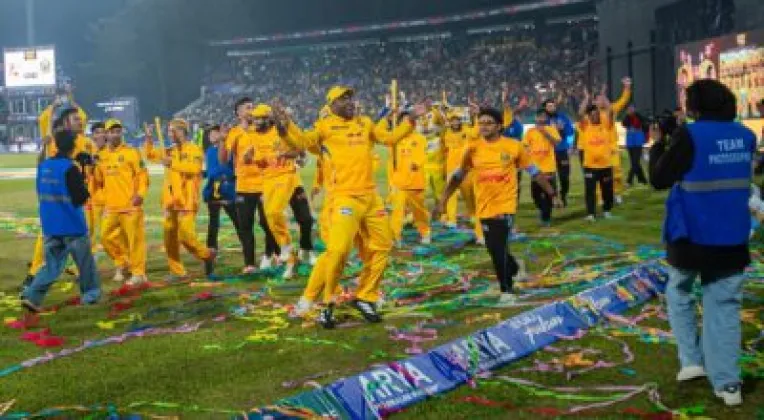
The third edition of the Nepal Premier League (NPL) has come to a close at the Tribhuvan University cricket ground in Kirtipur, Kathmandu, wrapping up a tournament that organizers, players and spectators alike are hailing as a landmark event for Nepali cricket. Over the course of the competition, Nepali and foreign players shared the same dressing rooms and contested the same pitches in front of enthusiastic crowds, giving the league a genuinely international flavor while keeping its heart firmly in Nepal's cricketing capital.
The conclusion of the tournament was marked by a celebration of everything that made this edition memorable: three centuries, a rain of sixes in the final match, the emergence of new players, and prizes worth millions of rupees. For a league still in its infancy on the domestic calendar, the third season offered a level of drama and quality that many observers say signals the competition has come of age.
A Final to Remember at Kirtipur
The final match at Kirtipur delivered the kind of spectacle that fans had hoped for when the tournament began. A rain of sixes lit up the Tribhuvan University ground, as batters cleared the boundary repeatedly in front of a roaring home crowd. Kirtipur has long been regarded as the spiritual home of Nepali cricket, and hosting the concluding stages of the NPL there added to the sense of occasion, with spectators packing in to watch the season reach its climax.
The big-hitting finish capped a tournament in which three centuries were scored, a batting benchmark that underlines the growing quality of the league. That Nepali players and their foreign counterparts were able to compete against each other across the tournament, before such engaged audiences, is being read widely as evidence that the NPL is maturing into a competition of real substance.
New Stars and Commercial Promise
Beyond the boundaries and the trophies, one of the most significant storylines of the third edition was the emergence of new players. Young cricketers who announced themselves on the NPL stage now have a platform that did not exist for earlier generations of Nepali talent, and the league's growing profile means their performances are being seen by a much wider audience than domestic cricket alone could offer.
The commercial dimension of the tournament was equally prominent. With prizes worth millions of rupees on offer, the NPL demonstrated that professional cricket in Nepal can command serious financial backing. Commentators following the event have described the edition as significant for Nepali cricket's commercial future, arguing that the combination of competitive cricket, crowd engagement and meaningful prize money is exactly what the domestic game needs to sustain itself and grow.
What the NPL Means for Nepali Cricket
The conclusion of the third edition invites both celebration and reflection. On one hand, the tournament showcased the best of what a domestic franchise league can offer: memorable individual performances, including the three centuries, a thrilling final filled with sixes, and the discovery of fresh talent. On the other hand, observers have also begun asking what remains to be done, noting that sustaining momentum between editions will be the real test of the league's long-term value.
That question, what happened in the NPL and what remains, is one that Nepali cricket's administrators, franchise owners and fans will now weigh as the dust settles on Kirtipur. The tournament's ability to bring Nepali and foreign players together, attract enthusiastic spectators and distribute prizes worth millions suggests the foundations are strong. Turning a successful third edition into a durable, self-sustaining institution is the challenge ahead.
Looking Ahead
For now, the third NPL ends on a high note. The Tribhuvan University cricket ground in Kirtipur has once again proven itself capable of hosting marquee cricket events, the league has produced new stars for Nepal to cheer, and the commercial signals, from lucrative prizes to strong attendance, point toward a brighter financial future for the sport in the country.
As Nepal's cricketing community absorbs the results of this edition, the consensus is that the NPL's third season has raised expectations for everything that follows. The centuries scored, the sixes hit in the final, and the young players who made their names will now form part of the league's growing history, and the measure of this edition's success will be whether the fourth can build on the platform so clearly established in Kirtipur.