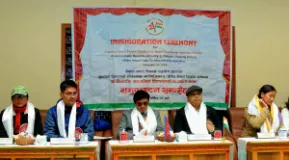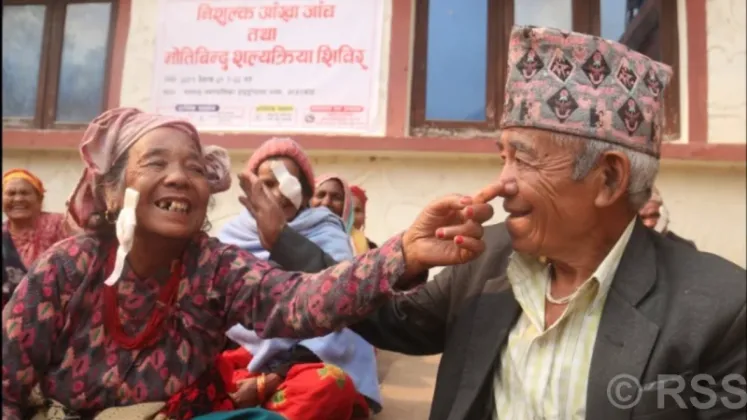
Nepal Netra Jyoti Sangh is set to implement an inclusive eye and ear health project across all 10 districts of Karnali Province, in a bid to bring quality treatment to citizens living in remote areas where access to such services has long been limited. The project, named 'Sambhav Jeevan', will be run in partnership with the Sangh's development partners, CBM Global and CBM Australia, and eye services under the initiative will be made available free of cost throughout the province, according to reports from Surkhet.
Extending Care to Nepal's Hardest-to-Reach Communities
Karnali Province has consistently ranked among the most underserved regions of Nepal when it comes to specialist health services, and eye and ear care is no exception. Settlements are scattered across difficult terrain, and residents of remote districts often have to travel long distances to reach even basic health facilities, let alone specialised treatment. This geographic reality has left a large section of the province's population without timely diagnosis or treatment of eye and ear conditions.
It is precisely this gap that the 'Sambhav Jeevan' project is designed to address. By covering all 10 districts of Karnali Province, the initiative seeks to ensure that quality eye and ear health services are not confined to a handful of urban or district headquarters but are extended to citizens in the province's most remote corners. According to a report published by RatoPati, the need for eye and ear health services in Karnali is high, underscoring why the Sangh has chosen the province as the focus of this new intervention.
The decision to launch the project in Karnali also reflects a broader effort by health organisations to correct long-standing imbalances in Nepal's health service delivery, where specialist care tends to be concentrated in cities and provincial capitals while mountain and hill districts lag behind. Reports filed from Surkhet, the city from which the announcement emerged, indicate that the project's core promise is simple but significant: citizens of Karnali should be able to receive quality eye and ear treatment without being pushed further into hardship by the cost of care.
What the 'Sambhav Jeevan' Project Will Deliver
While detailed operational plans are yet to be widely publicised, the project's stated scope makes clear several key commitments:
- Province-wide coverage: The project will be implemented across all 10 districts of Karnali Province, rather than being limited to selected pilot areas.
- Free eye services: Eye services under the project will be provided free of cost to the people of the province, removing a major financial barrier to treatment.
- Dual focus on eye and ear health: Alongside eye care, the project will address ear health, an area of service delivery that has historically received far less attention and fewer resources.
- Inclusive approach: The project has been described as inclusive, indicating an emphasis on reaching groups who have traditionally been left out of mainstream health services.
- Remote-area priority: The central objective is to serve citizens in remote areas with limited access to health services, ensuring that geography is less of a determinant of whether someone receives care.
The inclusion of ear health alongside eye care is a notable feature of the initiative. Hearing-related conditions can profoundly affect a person's education, employment and social participation, yet services to detect and treat them remain scarce in many parts of Nepal. By combining the two streams of care within a single project, the Sangh and its partners appear to be acknowledging that sensory health as a whole, rather than eyesight alone, must be treated as a public health priority in underserved regions.
Development Partnerships Behind the Initiative
The project will be implemented by Nepal Netra Jyoti Sangh in collaboration with its development partners, CBM Global and CBM Australia. Both organisations are international development agencies with a long-standing association with community-based health and disability inclusion work, and their involvement signals continued international support for strengthening health services in Nepal's remote provinces.
As reported by Khabarhub, the project will be executed with the objective of providing quality eye and ear treatment to the citizens of Karnali, with the Sangh serving as the implementing body on the ground. This model, in which a national organisation works hand in hand with international development partners, allows global resources and expertise to be channelled through local structures that understand the realities of delivering services in the province.
For the people of Karnali, the practical significance of the project could be considerable. Affordable treatment is one of the most common reasons patients delay or forgo care for eye and ear conditions, and the commitment to free eye services directly targets that obstacle. Equally important is the project's district-wide reach, which reduces the burden on families who would otherwise have to travel outside their districts, often at significant expense, to seek specialist consultations.
A Step Toward Health Equity in Karnali
The launch of 'Sambhav Jeevan' comes at a time when the need for eye and ear health services in Karnali is described as high, and the initiative is expected to make a tangible difference in a province where preventable and treatable conditions too often go unaddressed simply because services are out of reach. By combining free eye services, ear health care and an inclusive, remote-area-focused approach under one umbrella project, Nepal Netra Jyoti Sangh and its partners CBM Global and CBM Australia are positioning the programme as a meaningful step toward greater health equity in one of Nepal's most isolated regions.
Further details on the project's rollout schedule, service delivery mechanisms and community-level activities are expected to be shared by the implementing organisations as implementation begins across the province's 10 districts. For now, the announcement from Surkhet marks the starting point of an initiative that promises to bring quality, inclusive and affordable eye and ear care to thousands of Nepalis who have waited far too long for it.