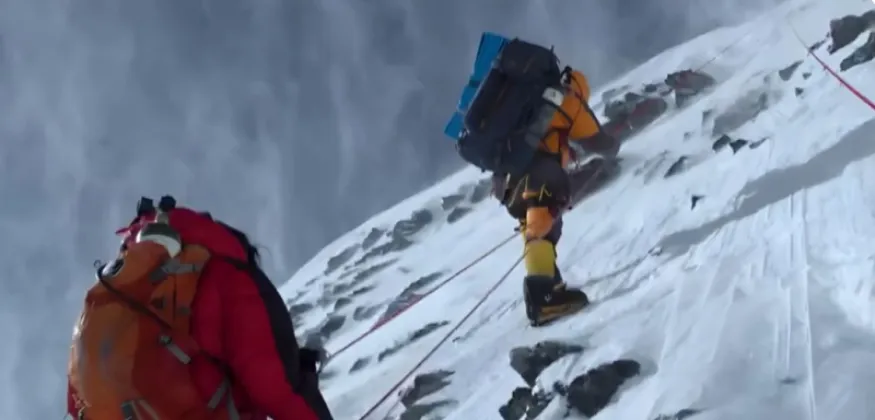
Kathmandu, Nepal's Department of Tourism has issued climbing permits to 1,633 mountaineers from 77 countries for the autumn 2026 season, collecting Rs 334 million in permit fees in the process. The announcement was made from Kathmandu by the department, which regulates mountaineering expeditions across the Himalayan nation.
According to the figures released by the department, the climbers are organised into 190 separate teams and will attempt to scale 50 different peaks spread across the country during the autumn season. The cohort comprises 1,253 men and 380 women, underscoring the scale of international and domestic interest in Nepal's mountains during one of the two major climbing windows of the year.
Suraj Ghimire, information officer at the Department of Tourism, confirmed the details of the permit issuance, including the total revenue generated. The Rs 334 million collected in fees represents a significant source of income for the tourism administration, which relies on climbing royalties and related charges as part of its annual collections.
A Season of Broad Participation
The 190 teams set to take to the mountains this autumn reflect a wide range of expeditions, from small groups targeting lesser-known summits to larger, well-supported teams on popular peaks. With permits issued for 50 distinct mountains, the season's activity extends well beyond the country's most famous summits, touching peaks across different regions and elevations.
The gender breakdown of the permit holders, 1,253 men and 380 women, shows that women account for roughly 23 percent of the climbers granted permission for the autumn season. The participation of climbers from 77 countries further highlights Nepal's status as a global mountaineering destination, drawing aspirants from every corner of the world to its Himalayan terrain.
Revenue From Permit Fees
The Rs 334 million generated in permit fees forms part of the revenue the Department of Tourism collects from mountaineering activities. Climbing fees vary according to the peak and the season, and the department issues permits before each climbing season, with spring and autumn traditionally being the two principal windows for expeditions in Nepal.
The department announced the figures from Kathmandu, where it is headquartered and where expeditions typically complete their formalities before heading to the mountains. Information officer Ghimire's statement provides the official account of the season's permit issuance, covering both the number of climbers and the financial take.
Autumn: A Preferred Climbing Window
The autumn season is one of the most favoured times for mountaineering in Nepal, alongside the spring season. Climbers typically take advantage of the generally stable weather conditions and clearer skies of the post-monsoon months to make their summit bids. The issuance of permits to more than 1,600 climbers for the season indicates continued robust demand for Nepal's peaks during this window.
Nepal is home to a large number of the world's highest mountains, including the tallest peak on earth, and mountaineering remains a pillar of the country's tourism sector. The Department of Tourism's permit system governs access to these peaks, with teams required to secure permission before beginning their expeditions.
Looking Ahead to the Season
With permits now issued to 1,633 mountaineers across 190 teams, attention will turn to the expeditions themselves as the autumn season gets underway. The 50 peaks covered by this season's permits will host climbers pursuing objectives of varying difficulty and altitude, with the department's records offering a snapshot of the season's scale before teams begin their climbs.
The figures also serve as an early indicator of the economic contribution mountaineering is set to make in the coming months, with the Rs 334 million in permit fees already collected providing a concrete measure of that value. As the season progresses, the department's permit data will stand as the official benchmark for the size and composition of this autumn's climbing cohort.
Key facts at a glance:
- Total climbers: 1,633 mountaineers issued permits for autumn 2026
- Nationalities: climbers from 77 countries
- Teams: 190 expeditions
- Peaks: 50 different mountains
- Gender split: 1,253 men and 380 women
- Revenue: Rs 334 million in permit fees
- Source of announcement: Department of Tourism, Kathmandu
The Department of Tourism is expected to continue monitoring the season's expeditions, with the permit issuance process for the autumn season now complete.