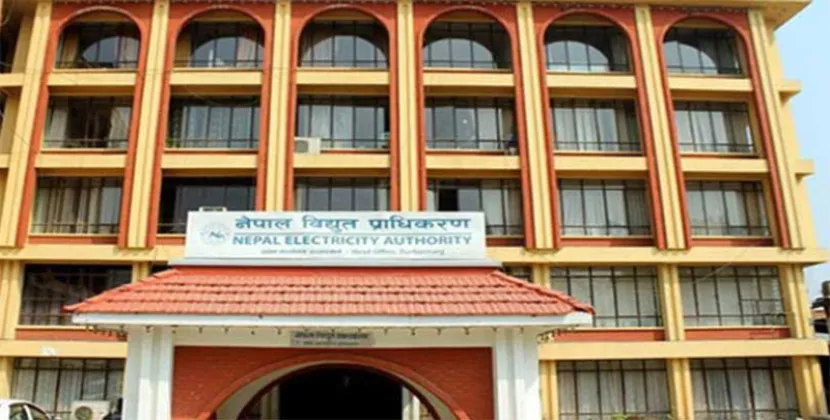
The Nepal Electricity Authority (NEA) has formally invited bids from Indian power trading companies to purchase 150 megawatts of electricity from India, marking a significant step in the country's efforts to secure a reliable supply of power from its southern neighbour.
In a notice published on Friday, the state-owned power utility said it is seeking a round-the-clock (RTC) power supply through a competitive bidding process. The move comes as Nepal looks to meet its growing domestic electricity demand, particularly during seasons when domestic generation falls short of consumption.
Eligibility criteria for bidders
According to the notice, the NEA has specified that only Indian companies holding valid electricity trading licences will be eligible to participate in the bidding process. Specifically, firms holding Category I, Category II and Category III electricity trading licences issued in India have been asked to submit their proposals.
By restricting participation to licensed trading companies, the NEA aims to ensure that the selected supplier has the technical and regulatory capacity to deliver power across the India-Nepal border in accordance with the existing frameworks governing cross-border electricity trade between the two countries.
Round-the-clock supply through competitive process
A key feature of the tender is the requirement for round-the-clock (RTC) supply, meaning the purchased electricity must be available throughout the day rather than only during specific hours. RTC supply arrangements typically require suppliers to blend different sources of generation, including solar, wind and conventional power, to ensure a continuous flow of electricity.
The decision to procure power through a competitive process rather than direct negotiation reflects the NEA's effort to secure the most favourable terms and pricing for the 150 MW purchase. Competitive bidding is expected to help the authority obtain electricity at a lower cost while maintaining transparency in the procurement process.
Context: Nepal's growing power needs
Nepal's electricity demand has been rising steadily in recent years as electrification expands and industrial consumption grows. While the country has made major strides in hydropower generation, domestic production is heavily dependent on river flows, which vary significantly between the wet and dry seasons.
During the dry winter months, when river flows drop, Nepal's generation capacity declines even as demand remains high, forcing the country to import electricity from India to avoid load shedding. Imports from India have become an important tool for the NEA to balance the grid during such periods of shortfall.
Conversely, during the monsoon season, when hydropower output surges, Nepal often generates a surplus and has in recent years exported electricity to India. The new tender for 150 MW of RTC power underscores the seasonal imbalance that continues to characterise Nepal's energy sector and the importance of cross-border trade in managing it.
Strengthening India-Nepal energy cooperation
The tender is the latest development in the expanding energy partnership between Nepal and India. Cross-border electricity trade between the two countries has grown considerably, supported by transmission infrastructure linking the two grids and by agreements that allow Indian and Nepali companies to trade power.
The NEA, which oversees electricity generation, transmission and distribution in Nepal, has been actively managing both imports and exports with India as part of its broader strategy to ensure energy security. Inviting bids from Indian trading companies with Category I, II and III licences aligns with the regulatory arrangements that govern such trade.
The authority has not specified in the notice the duration of the supply agreement or the exact commencement date, with details expected to be finalised once the bidding process concludes and a supplier is selected.
Next steps in the bidding process
Interested Indian companies are expected to submit their proposals in response to the NEA's notice. The authority will then evaluate the bids through its competitive process, selecting the supplier or suppliers offering the most advantageous terms for the 150 MW of round-the-clock power.
The outcome of the tender will be closely watched, as it will determine not only the cost of imported power but also the reliability of supply during periods of domestic shortfall. For consumers and industries in Nepal, the procurement represents another effort by the NEA to maintain an uninterrupted electricity supply as the country's demand continues to climb.
Further details regarding bid submission deadlines, evaluation criteria and contract terms are anticipated as the process moves forward.