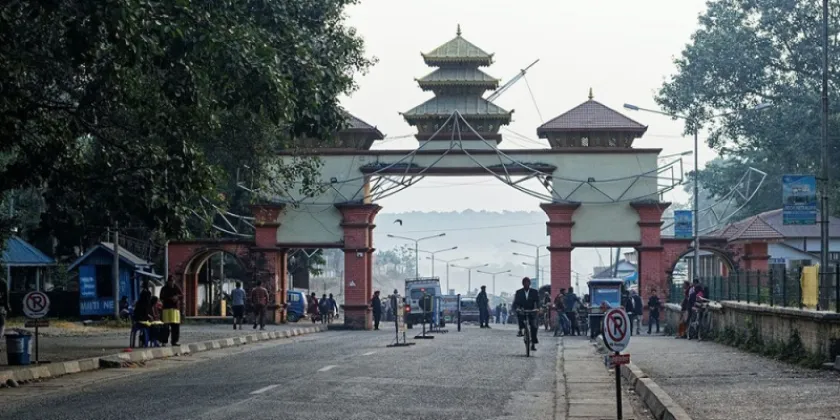
More than 1,000 Bhutanese tourists entered Nepal through the Kakarbhitta border point in Jhapa district over the past four months, according to figures released by the Immigration Office based at the eastern border crossing. The steady flow of visitors from the neighbouring Himalayan kingdom marks a notable rise in Bhutanese tourist arrivals through Nepal's eastern gateway.
Growing Arrivals Through the Eastern Border
The Immigration Office at Kakarbhitta recorded the influx of Bhutanese nationals during the four-month period, making the land route one of the preferred entry points for travellers from Bhutan. Kakarbhitta, which borders the Indian state of West Bengal, serves as a key transit hub for overland travellers making their way into Nepal from the eastern side of the region.
Bhutanese visitors arrive in Nepal mainly through two routes: the Kakarbhitta border point in Jhapa and Tribhuvan International Airport in Kathmandu, the country's sole international airport. The combination of the land crossing and air route has allowed tourists from Bhutan flexibility in planning their journeys, whether travelling overland through India or flying directly to the capital.
What Draws Bhutanese Visitors to Nepal
According to the Immigration Office, Bhutanese tourists are increasingly drawn to Nepal for a range of reasons, with religious pilgrimage topping the list. Nepal, as the birthplace of Lord Buddha at Lumbini and home to numerous Buddhist heritage sites, holds particular appeal for visitors from Bhutan, a country where Buddhism is deeply rooted in national identity and daily life.
Beyond religious motivations, Bhutanese travellers are also attracted by Nepal's natural scenery, which shares many similarities with their own mountainous homeland yet offers diverse landscapes ranging from the Terai plains to the high Himalayas. Buddhist sites across the country feature prominently in the itineraries of many of these visitors.
A Rising Trend in Tourist Arrivals
The four-month figure of over 1,000 arrivals represents a growing trend of Bhutanese tourists choosing Nepal as a destination, according to reports on the immigration data. The rise is being seen as a positive sign for Nepal's tourism sector, which has been working to diversify its source markets beyond the traditional inflows from India, China and Western countries.
The Kakarbhitta border point has long served as an important gateway for third-country nationals and regional travellers entering Nepal from the east. The increasing presence of Bhutanese tourists among those crossing at Kakarbhitta highlights the border point's growing role in facilitating regional tourism and people-to-people exchanges between the two Himalayan neighbours.
Significance for Nepal-Bhutan Tourism Ties
Nepal and Bhutan, though separated by a stretch of Indian territory, share deep cultural, religious and linguistic ties. Both countries are predominantly Buddhist-majority or have strong Buddhist traditions, and both boast world-renowned Himalayan landscapes. The surge in Bhutanese visitor numbers suggests strengthening people-to-people connections, with Nepal's religious sites, including Lumbini and various monasteries and stupas, acting as key attractions.
Tourism officials and observers will likely watch whether the momentum seen over the past four months continues through the remainder of the year. With Bhutanese tourists arriving via both Kakarbhitta and Tribhuvan International Airport, the two entry points are expected to remain the principal channels for this growing segment of visitors, offering a boost to local economies along the eastern border and at destinations popular with pilgrims across the country.
The Immigration Office data on Bhutanese arrivals comes as Nepal continues its broader push to revive and expand its tourism industry, with regional tourists increasingly recognised as an important and reliable source market. The more than 1,000 Bhutanese tourists who entered through Kakarbhitta in just four months provide a concrete indicator of that potential.