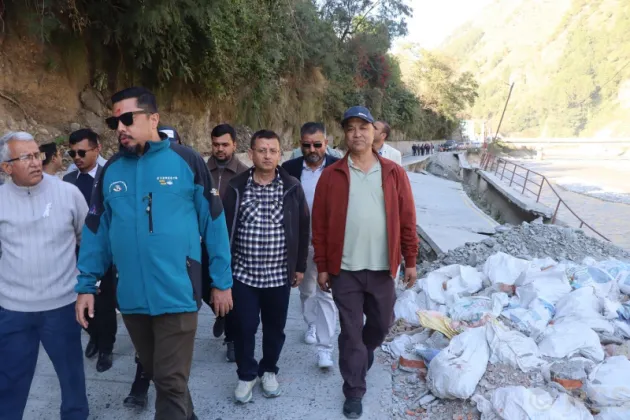
Energy, Water Resources and Irrigation Minister Birajbhakta Shrestha on Saturday carried out an on-site inspection of areas damaged by flooding in the Kali Gandaki River in Myagdi and Parbat districts. The visit comes after flooding along the river in the second week of Asoj caused damage in several settlements along its course.
High-Level Team Visits Damaged Sites
Minister Shrestha was accompanied during the inspection by officials from the Department of Irrigation and the Nepal Electricity Authority, along with the Chief District Officers and security officials of the concerned districts. The presence of senior technical and administrative staff from both the federal ministry and district-level agencies underlined the significance the government has attached to assessing the extent of the damage caused by the swollen river.
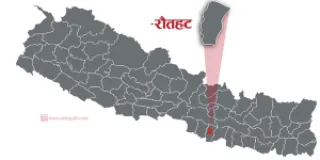
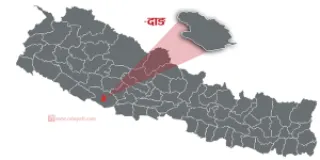
The delegation inspected damaged areas in Beni and Galeshwar in Myagdi district and in Jaljala in Parbat district. Beni, the headquarters of Myagdi, and Galeshwar lie along the Kali Gandaki, which flows through both districts and has repeatedly posed flood risks to settlements and infrastructure built along its banks. Jaljala in Parbat was also among the sites reviewed during the Saturday visit.
Flooding in the Second Week of Asoj
The flooding that prompted the inspection occurred in the second week of Asoj, when the Kali Gandaki River swelled and caused damage in Myagdi and Parbat. The two districts, which sit in the Gandaki region of western Nepal, have stretches of the river running through them, with communities, farmland and public infrastructure located close to the water's edge.
The Kali Gandaki is one of Nepal's major river systems, and flooding along its course has in the past affected bridges, roads, hydropower installations and irrigation facilities. The involvement of the Department of Irrigation and the Nepal Electricity Authority in Saturday's inspection reflects the range of infrastructure that falls within the purview of the ministry and its subordinate agencies, and which is exposed to flood damage along such river corridors.
Coordination Between Federal and District Authorities
The inspection brought together officials from multiple levels of the state structure. In addition to Minister Shrestha and the technical staff of the Department of Irrigation and the Nepal Electricity Authority, the Chief District Officers of Myagdi and Parbat and security officials of the concerned districts took part in the visit.
Such joint inspections are typically intended to allow the ministry to gather first-hand information on the damage and to coordinate follow-up action with district administrations and security agencies. The participation of the Chief District Officers, who serve as the senior administrative authority at the district level, and security officials suggests that both the assessment of damage and questions of safety and response in the affected areas were on the agenda during the visit.
Focus on Energy and Irrigation Infrastructure
As the minister responsible for energy, water resources and irrigation, Shrestha's portfolio covers much of the infrastructure that flooding along rivers like the Kali Gandaki can damage. The Nepal Electricity Authority, which builds and operates hydropower projects across the country, has a significant presence along the Kali Gandaki, one of Nepal's major hydropower corridors. The Department of Irrigation, meanwhile, manages irrigation systems that draw from the river and serve agricultural land in the surrounding districts.
The Saturday inspection by the minister and his team marks a step in the government's response to the flooding that struck the two districts in the second week of Asoj. Further details on the findings of the inspection and any relief or reconstruction measures announced following the visit were not immediately available in the reports. More information is expected to emerge as the ministry and the concerned district administrations process the observations made during the on-site tour of Beni, Galeshwar and Jaljala.
Sources
This report is based on coverage published by Ratopati and Khabarhub.