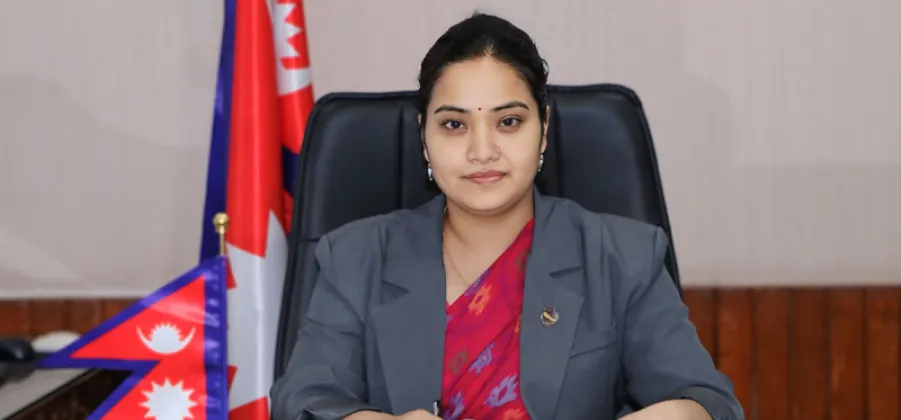
Minister for Land Management, Cooperatives and Federal Affairs and General Administration Pratibha Rawal is set to visit Madhes Province on Friday, corresponding to Mangsir 11, to hear first-hand the problems facing Musahar settlements in the region. During the visit, the minister will travel to three districts of the province: Dhanusha, Siraha and Saptari.
The trip has been organised with the specific aim of addressing the issues raised by the Musahar community, one of the most marginalised groups in the Tarai region. By travelling directly to the settlements, the minister is expected to gather information about the community's living conditions and land-related problems rather than relying solely on reports submitted by local authorities.
Visit Covers Three Districts
According to details of the itinerary, the minister's visit will take her to Dhanusha, Siraha and Saptari districts, all located in Madhes Province. These districts are home to sizeable Musahar settlements, where residents have long faced challenges related to land ownership, housing and access to basic services.
Musahars, one of the most disadvantaged communities in Nepal, have historically struggled with issues of landlessness and insecure housing. Many families in these settlements live in precarious conditions, and successive governments have announced various programmes targeted at improving their situation, though implementation on the ground has often lagged behind commitments.
Focus on Land and Settlement Problems
As the minister holding the land management portfolio, Rawal's visit carries particular significance for a community whose core grievances centre on land and shelter. The Ministry of Land Management, Cooperatives and Federal Affairs has been involved in initiatives concerning managed settlements and the resolution of land-related problems affecting marginalised groups.
The decision to visit the settlements in person suggests an effort to understand the scale and nature of the problems directly from those affected. Listening sessions during such visits typically allow community members to present their demands and concerns to the minister, who can then direct the relevant ministries, departments and local governments to follow up.
Expectations from the Trip
The visit comes at a time when questions about land distribution, managed settlements and the welfare of highly marginalised communities remain prominent on the national agenda. For residents of Musahar settlements in Dhanusha, Siraha and Saptari, the expectation will be that the minister's visit translates into concrete measures, whether through land provision, housing support or accelerated settlement improvement programmes.
Further details about the specific programmes the minister will announce or inspect during the trip have not been disclosed. The ministry's follow-up actions after the visit are likely to determine how the concerns raised by the Musahar community are addressed in the coming months.
Broader Context
Madhes Province has been the focus of successive efforts to improve conditions for communities that have historically been excluded from land ownership and formal housing. The Musahar community, in particular, has been identified in government programmes as a priority group for targeted intervention.
The minister's visit on Friday, Mangsir 11, is being watched as an opportunity for direct dialogue between the government and one of Nepal's most underserved communities. The outcome of the listening exercise in Dhanusha, Siraha and Saptari could shape the direction of future land management and settlement policies affecting Musahar settlements across the province.