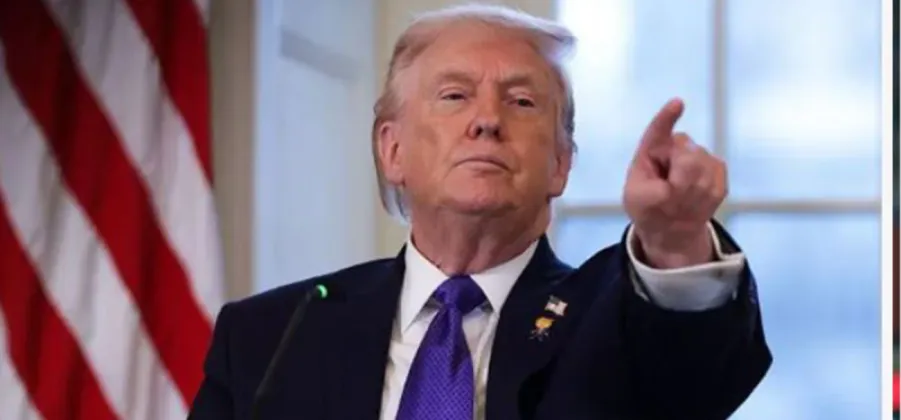
French President Emmanuel Macron on Tuesday rejected as “unacceptable” and “foolish” comments by US President Donald Trump blaming immigrants, jihadists and communists for violent protests in France. Trump made the remarks at a campaign rally in Wichita, Kansas, as his Republican Party faced midterm elections in two weeks, drawing sharp criticism from the French president.
Macron rebukes Trump’s comments
Macron’s response directly challenged the attempt to connect the unrest in France with immigrants and other groups named by Trump. The French president dismissed the remarks rather than accepting them as an explanation for the violence. His criticism underscored a sharp disagreement between the leaders over how the protests should be discussed and who should be held responsible for them.
Trump made his claims during a rally in Wichita, where he blamed migrants, jihadists and communists for the situation in France. His comments placed the French unrest within a domestic political speech delivered to a US audience. Macron, in turn, objected to the foreign leader’s characterization of events in France, describing the remarks as both unacceptable and foolish.
The exchange drew attention to the difference between the two presidents’ public accounts of the protests. Trump singled out immigrants and other groups in his explanation, while Macron rejected that framing. The available account does not provide further detail about the evidence Trump cited or a fuller explanation from Macron, but it establishes that the French leader strongly opposed the remarks.
Remarks made during US election campaign
Trump’s comments came as Republicans were preparing for midterm elections two weeks away. The timing placed his remarks about France within the context of an active US campaign, although the account does not describe how the comments were received by rally attendees or whether they were tied to a specific campaign proposal.
The setting also meant that Trump’s comments about a foreign country were delivered as part of a political rally in Kansas. Macron’s response focused on the claims themselves: that immigrants, jihadists and communists were to blame for the violent protests. He rejected that attribution in strong terms, rather than treating the comments as an acceptable assessment of the situation.
Disagreement over blame for the unrest
The public dispute centered on responsibility for the violence. The protests in France were described as violent, but the information provided does not identify their immediate cause, the groups involved in specific incidents or the extent of damage. Trump’s remarks attributed the unrest to several broad categories of people, while Macron objected to blaming immigrants and condemned the comments overall.
The exchange did not, in the available account, include a detailed discussion of the protests or a point-by-point response from Macron to each group Trump named. It did, however, make the French president’s position clear: he considered the American leader’s remarks unacceptable and foolish. The sharp criticism marked a public rebuke of Trump’s account of the unrest at a time when the US president was campaigning ahead of midterm elections.
The comments therefore brought together two separate political settings: violent protests in France and an election campaign in the United States. Macron’s rejection focused on the way Trump linked the unrest to immigrants, jihadists and communists. Trump’s remarks were made at the Wichita rally, while Macron’s response emphasized that he would not accept that characterization of events in France.