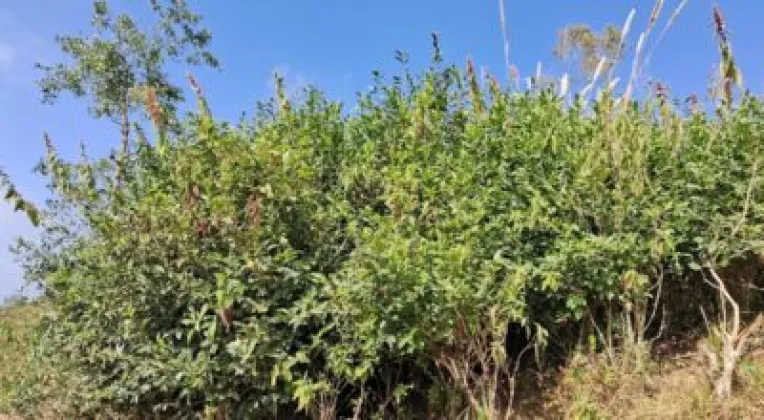
Tea farmers in Ramche, on the border of Pakhribas Municipality wards 4 and 7 in Dhankuta district, have watched their once-carefully tended plantations turn into bushland after years of failing to find a market and fair prices for their produce. Farmers who began tea cultivation in 2055 BS say they have now stopped picking tea leaves and caring for their gardens altogether, as production no longer sells, putting their entire investment at risk.
According to reports from Khabarhub, News of Nepal and OnlineKhabar, the situation in Ramche reflects a broader crisis facing small tea growers in the area. Years without weeding and pruning have left the tea bushes overgrown, and what were once thriving gardens now resemble untended bushland.
Years of Investment Left Uncertain
The farmers of Ramche started tea cultivation in 2055 BS with hopes of building a stable source of income. For years they invested labour and resources into planting, weeding and maintaining their gardens. However, the lack of a reliable market for their green leaves and the absence of fair prices have steadily eroded their motivation.
- Farmers say production no longer sells, so harvesting has stopped
- Routine care such as weeding and pruning has been abandoned for years
- The overgrown bushes have turned productive gardens into bushland
With no buyers coming forward and prices failing to cover their costs, the farmers say continuing to work the gardens would only add further losses to an investment that is already at risk. The decision to stop picking tea, they say, was not made lightly but came after prolonged frustration over unsold produce.
No Buyers, No Fair Prices
The core of the problem, according to the farmers, is the absence of both a market and fair pricing. Without a nearby processing facility or buyers willing to purchase their green leaves at reasonable rates, growers in Ramche have been left with harvested tea they cannot sell.
This has created a cycle of neglect: when tea cannot be sold, farmers see no point in picking it, and when picking stops, there is no reason to weed, prune or fertilise the gardens. Over time, the neglected bushes have grown wild, and the plantations have lost the appearance and productivity of managed tea gardens.
A Warning for Local Tea Farming
The fate of the Ramche tea gardens highlights the challenges facing tea farmers in Dhankuta, where smallholder growers depend heavily on functioning market links to sustain their livelihoods. When those links break, the consequences extend beyond a single harvest, as farmers can lose years of investment in a crop that requires continuous care.
Unless market access and fair prices improve, farmers warn, the once-productive gardens of Ramche risk remaining as bushland, and their long-standing investment in tea cultivation may be lost entirely.