Kathmandu Metropolitan City has formally issued the 'Kathmandu Climate Declaration, 2083', a seven-point commitment centered on climate justice, inclusive development and building a climate-resilient city. The declaration was released on Sunday at the closing ceremony of Kathmandu Climate Work Week, 2083, an event organized under the leadership of the metropolitan city.
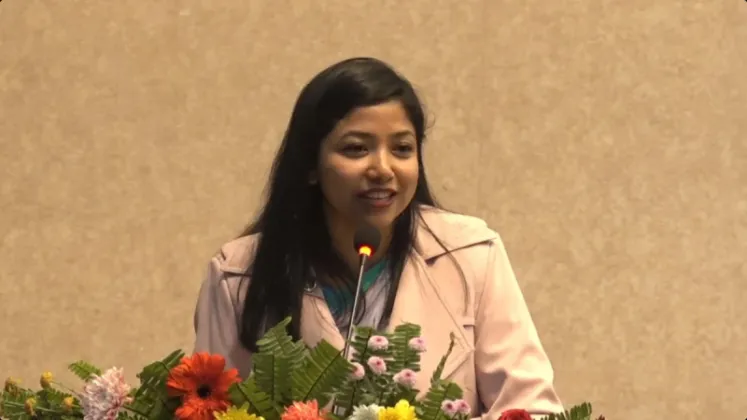
According to reports by Ratopati, Acting Mayor Sunita was present at the closing ceremony where the declaration was unveiled. The ceremony marked the conclusion of the climate week, which was observed from Mangsir 7 to Mangsir 13 of the year 2083.
A Week of Climate Dialogue Culminates in a Declaration
Kathmandu Climate Work Week, 2083, served as the platform from which the declaration emerged. Held over seven days, from Mangsir 7 to 13, the week brought together discussions and activities under the city's leadership, focusing on the challenges posed by climate change to the capital and its residents.
The declaration is designed to ensure that the outcomes of the week do not remain confined to conversation. As stated at the ceremony, the initiative aims to transform the knowledge, experience, suggestions and lessons gained during the week-long program into concrete implementation. This focus on action reflects the city's intention to move from dialogue to measurable results in climate governance.
Seven-Point Commitment Toward Climate Justice
At the heart of the 'Kathmandu Climate Declaration, 2083' lies a seven-point commitment. The commitments underscore three interconnected priorities that the metropolitan city has pledged to pursue:
- Climate justice - ensuring that the burden of climate change, which often falls disproportionately on vulnerable communities, is addressed fairly
- Inclusive development - making sure that climate-related planning and development processes include all sections of society
- A resilient city - strengthening Kathmandu's capacity to withstand and adapt to climate-related risks
The emphasis on climate justice is notable for a city like Kathmandu, where rapid urbanization, air pollution, water scarcity and unplanned growth have compounded the effects of a changing climate. By placing justice and inclusion at the center of its climate agenda, the metropolitan city has signaled that its response will aim to protect those most exposed to climate impacts.
The Capital's Growing Climate Imperative
The issuance of the declaration comes at a time when urban centers across Nepal are increasingly confronting the realities of climate change. Kathmandu, as the country's largest and most densely populated city, faces mounting pressures from extreme weather events, degrading infrastructure and environmental stress. Local governments have been called upon to take a leading role in climate action, given that many adaptation and mitigation measures fall within municipal jurisdiction.
By formally adopting a declaration through a public event, Kathmandu Metropolitan City has positioned climate policy as a municipal priority. The decision to release the document at the closing ceremony of Climate Work Week, rather than through an administrative notice alone, also suggests an effort to build public awareness and civic ownership of the commitments made.
From Declaration to Implementation
The central challenge highlighted at the ceremony was translating the declaration's commitments into practice. The city has stated that the purpose of the declaration is to turn the knowledge, experience, suggestions and lessons from Kathmandu Climate Work Week, 2083, into implementation. How effectively the seven-point commitment is carried out will likely determine the declaration's real impact on the lives of Kathmandu's residents.
Local media outlets including Pradesh Khabar and Rajdhani Daily also covered the issuance of the declaration, reflecting the significance the event holds for the capital's environmental and governance agenda.
With the 'Kathmandu Climate Declaration, 2083' now in place, attention will turn to the metropolitan city's next steps: developing the plans, budgets and institutional mechanisms needed to honor its seven-point pledge and deliver on the vision of a just, inclusive and climate-resilient Kathmandu.