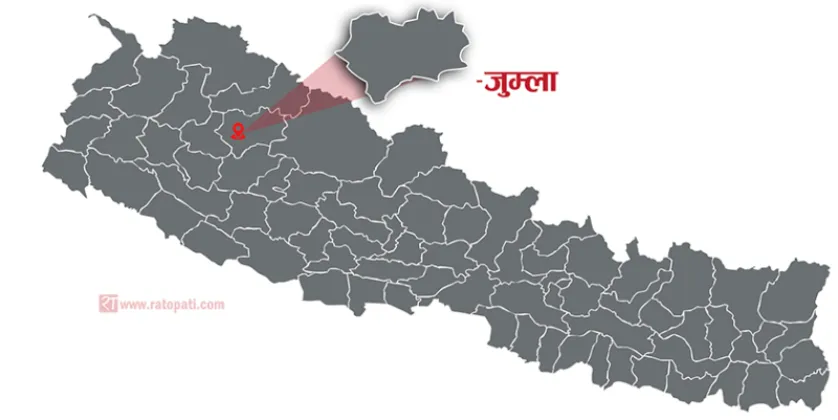
Farmers across Jumla district have traded festival gatherings for sickles and sacks, racing to bring in their monsoon harvest just as this year's Dashain festivities wind down. With ripe millet, paddy, buckwheat, beans and maize standing ready in the terraced fields of the high-hill Karnali district, growers are working long days to cut, dry and store their crops while a stretch of clear weather holds. Ase Basnet, the ward chair of Tila Rural Municipality-8, said farmers are rushing to bring in the ripened crops, and that the sunny spell has kept them occupied in their fields rather than at home as the festival season draws to a close.
A District Returns to the Fields as Dashain Ends
The timing of the harvest push follows a familiar rhythm in Nepal's farming calendar. Dashain, the country's largest festival, typically brings families together, slows daily routines and draws people away from regular work. In Jumla, where much of the population depends on agriculture for household food supplies, the end of the festivities marks the signal to return to the fields without delay.
The crops now coming in are the classic monsoon staples of the Nepali mid- and high hills, planted during the summer rains and harvested once the skies clear in autumn:
- Millet (kodo) - a hardy grain well suited to Jumla's altitude, used for staples such as dhido and the traditional local brew
- Paddy (dhan) - rice grown in the district's irrigated terraces and valley bottoms
- Buckwheat (fapar) - a fast-maturing crop favoured in mountain districts for its resilience in short growing seasons
- Beans (simi) - a high-value pulse long grown in Jumla's hills and a familiar item in local diets
- Maize (makai) - a versatile food and fodder crop raised across the district's slopes
Local Officials Point to a Crop-Wide Rush
According to ward chair Ase Basnet of Tila Rural Municipality-8, the urgency is not limited to any single crop. Farmers are simultaneously rushing to harvest the ripe millet, paddy, buckwheat, beans and maize spread across their plots, a sign that the season has reached its peak across the ward. His account, carried in reporting by RatoPati, captures the mood in one of the district's rural wards as households mobilise for the year's most important agricultural task.
Similar coverage by Khabarhub likewise describes Jumli farmers as struggling to bring in their annual crops, underlining the scale of the effort now under way across the district. For mountain communities, the harvest is a make-or-break period: crops left standing too long can shed grain, lodge in wind or rain, or fall prey to birds and rodents, while crops gathered on time can be dried, threshed and stored to feed families through the winter.
Clear Skies Give Farmers a Helping Hand
Weather is the decisive factor in any harvest, and Jumla's farmers have been favoured in this regard. Basnet said clear weather has kept farmers busy in their fields, allowing them to work steadily on cutting and gathering the ripened crops. In mountain districts, where late monsoon showers or early winter precipitation can easily disrupt drying and threshing, an extended run of fair weather at harvest time is a genuine advantage.
The sunny conditions serve several practical purposes at once. Cut stalks and harvested ears need to dry before threshing, and grain destined for storage must be sufficiently dry to avoid rot and mould. With the sky holding clear, farmers in Tila Rural Municipality-8 and beyond are able to move crops from field to threshing floor to store without the interruptions that wet weather would bring.
The Race to Store the Season's Yield
The immediate priority for farming households is storage. Basnet's remarks make clear that the goal is not merely to cut the crops but to bring them in and store the ripened yield safely, converting the season's growth into food security for the months ahead. In a district like Jumla, where the harsh winters and short growing seasons limit what can be produced in a year, the monsoon harvest represents the bulk of the annual food supply for many families.
That reality gives the current push its urgency. With Dashain over, the social calendar no longer competes for attention, and every available hand is being put to work in the fields. The sight of farmers spread across the district's terraces, gathering millet, paddy, buckwheat, beans and maize under clear skies, marks the culmination of a full year of planting, weeding and waiting.
A Season of Hard Work Nears Its Payoff
For the farmers of Jumla, the days ahead will be measured in sacks filled, stacks dried and granaries filled. If the clear weather persists, the district's households stand to complete the harvest of their monsoon crops in good condition, closing out the agricultural year on a positive note. For now, as ward chair Ase Basnet describes, the fields have everyone's full attention, and the rush to bring in the ripened harvest continues across Tila Rural Municipality-8 and the wider district.