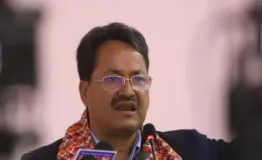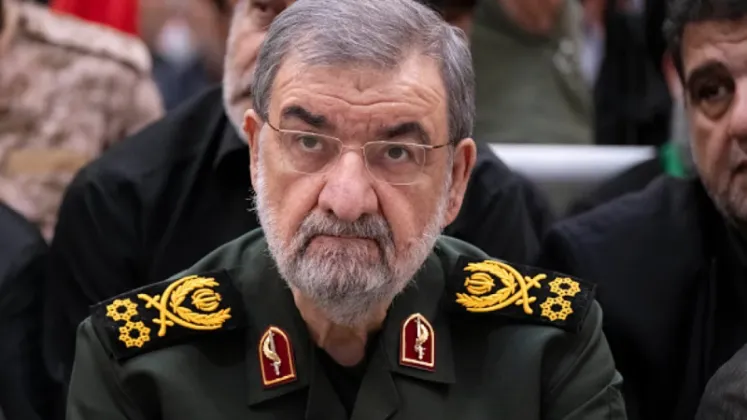
Iran's top security official Mohsen Rezaei on Sunday warned "foreigners" against interfering in Iran's economic relations with Iraq, saying such negative influence was wrong, state broadcaster reports said. Rezaei made the remarks in Tehran during a meeting with Iraqi National Security Adviser Qasim al-Abudis.
The warning came shortly after Baghdad drew praise from Washington for its efforts to curb oil smuggling, a development that adds a delicate diplomatic dimension to Tehran-Baghdad economic cooperation.
Direct Message to Baghdad
Speaking during the meeting with al-Abudis in Tehran, Rezaei, the Iranian security chief, made clear that his country views outside involvement in its bilateral economic dealings with Iraq as unacceptable. According to reports carried by Iran's state broadcaster, he said the influence of foreigners on Iran's economic relations with Iraq was wrong.
The message was directed broadly at unnamed "foreign" actors rather than at any specific country, though the timing of the remarks, coming after Washington publicly commended Baghdad's anti-smuggling campaign, was notable. Rezaei did not elaborate in detail on what form the alleged interference had taken, but his language underscored Tehran's sensitivity about outside powers encroaching on its most important Arab economic partnership.
Timing Follows US Praise for Baghdad
The Iranian warning landed against the backdrop of recent American applause for Iraq's crackdown on oil smuggling. Washington has commended Baghdad for measures aimed at curbing the illicit trade, an issue that has long strained Iraq's relations with its eastern neighbour and with international observers monitoring Iraqi oil flows.
For Iran, whose economy has been squeezed by years of sanctions, trade with Iraq is a vital economic artery. Iraqi markets have absorbed a wide range of Iranian exports, and cross-border energy and commercial ties have grown despite US pressure on both countries to reduce their economic interdependence. Any sign that Baghdad might tighten enforcement in ways that constrain that trade is therefore of keen interest in Tehran.
By framing the issue as one of "foreign interference," Rezaei appeared to be pushing back against the idea that outside approval of Iraqi policy should translate into restrictions on Iran-Iraq commerce.
Security Cooperation at the Fore
The meeting itself, between the secretary of Iran's Supreme National Security Council and Iraq's national security adviser, highlighted the depth of security-level engagement between the two neighbours. Such visits have become a regular feature of bilateral diplomacy, covering border security, counter-smuggling coordination and broader regional issues.
Rezaei's emphasis on economic relations in the talks signaled that Tehran wants to keep commerce and security cooperation closely linked. For Iraq, balancing its ties with Iran against its relationship with the United States remains a central diplomatic challenge, and al-Abudis's visit to Tehran came as Baghdad was being publicly congratulated by Washington for its enforcement efforts.
Balancing Act for Baghdad
Iraq's position between its two main partners, Iran and the United States, has grown increasingly complicated. The US praise for Baghdad's anti-smuggling measures suggests Washington sees Iraq making progress on an issue of longstanding American concern. Iran's warning to keep foreigners out of its economic dealings with Iraq shows Tehran watching the same developments with concern.
Rezaei's remarks on Sunday made clear that Tehran will resist any third-party role in shaping the terms of Iran-Iraq economic cooperation. As reported by state media, the Iranian security chief's message to his Iraqi guest was blunt: negative influence of foreigners on Iran's economic relations with Iraq is wrong, and the two neighbours should manage their ties free of outside pressure.
Whether Baghdad can maintain the goodwill it has earned in Washington while preserving the economic relationship Tehran prizes remains the key question ahead, one that Sunday's meeting in Tehran made impossible to ignore.