A food festival celebrating indigenous dishes, arts and culture opened in Butwal on Friday, bringing together food, tradition and cultural performance under one roof. The event is being held at the stadium in Devinagar, Ward 11 of Butwal Sub-Metropolitan City, and organizers say it has been designed not only as a culinary celebration but also as a platform to promote tourism in the area.
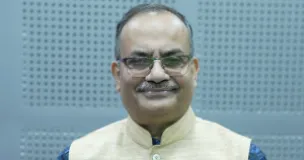
Details of the festival were shared with the media at a press conference held on Thursday, a day before the opening. At the press meet, the festival coordinator briefed journalists on the preparations that had gone into organizing the event, outlining what visitors could expect once the gates opened at the Devinagar venue.
A Celebration of Indigenous Cuisine and Culture
At the heart of the festival are the indigenous dishes on display, offering visitors a chance to taste traditional foods that are often prepared in homes and communities but rarely featured at public events of this scale. Alongside the food, the festival has also incorporated arts and culture, making it a broader showcase of indigenous heritage rather than a food fair alone.
The decision to combine cuisine with arts and cultural presentations reflects an understanding that food is inseparable from the traditions, rituals and lifestyles of the communities that create it. For many attendees, the festival offers an opportunity to experience, in a single venue, elements of indigenous life that are usually encountered separately.
Tourism Promotion at the Core
Organizers have been clear that the festival carries a purpose beyond celebration. According to the details shared at Thursday's press conference, promoting tourism is one of the key aims of the event. Festivals of this kind, by drawing visitors to a specific locality, can generate interest in the area's food, culture and hospitality.
The choice of venue is significant in this regard. The stadium in Devinagar, located in Ward 11 of Butwal Sub-Metropolitan City, provides a large, accessible space in one of the important urban centers of Nepal's western Tarai. Hosting such an event in Butwal allows local residents as well as visitors from surrounding districts to take part without traveling to distant destinations.
For the local tourism sector, events that spotlight indigenous food and culture are increasingly seen as valuable assets. Culinary tourism, in particular, has grown as a travel trend worldwide, with visitors seeking authentic food experiences as a central part of their journeys. By presenting indigenous dishes in an organized public setting, the festival positions Butwal as a destination where such experiences can be found.
Months of Preparation Behind the Event
The press conference on Thursday offered a glimpse into the scale of planning involved. The festival coordinator used the occasion to walk the media through the preparations, signaling the organizers' desire to build public awareness and encourage attendance ahead of the Friday opening. Pre-event press briefings of this nature are a common practice for community festivals, serving to inform the public, invite media coverage and manage expectations about the event's program.
The coordination between event organizers, local authorities and the community in Devinagar underscores the collaborative effort typically required to stage a festival of this kind at a public venue such as a stadium. Ward 11, where the event is being held, becomes the focal point of cultural activity in the sub-metropolitan city for the duration of the festival.
Indigenous Heritage in the Public Eye
Festivals dedicated to indigenous food and culture play an important role in keeping culinary traditions alive. As younger generations migrate to cities and food habits change, many traditional dishes risk fading from everyday use. Public events like the one in Butwal create a space where these dishes are prepared, served and appreciated anew, encouraging both pride among the communities that originate them and curiosity among the wider public.
The inclusion of arts alongside food strengthens this effect. Indigenous art forms, like cuisine, are living traditions that depend on visibility and appreciation to survive and evolve. By presenting them together, the festival frames indigenous culture as a complete and vibrant whole, not as isolated relics of the past.
Looking Ahead
With the festival now open at the Devinagar stadium, attention turns to the response from visitors in Butwal and beyond. If the event succeeds in attracting significant crowds, it could encourage similar initiatives in the future, both in Butwal and in other cities looking to celebrate their indigenous communities while boosting local tourism.
For now, organizers' message from the press conference stands: the festival is an invitation to taste, see and experience the indigenous heritage of the region, and to discover Butwal's Devinagar as a venue where food and culture meet. Visitors to Ward 11 over the course of the festival can expect a program that weaves together traditional dishes, artistic displays and cultural performances in a single, accessible location.