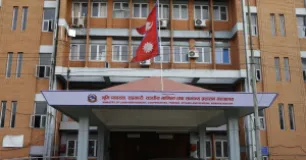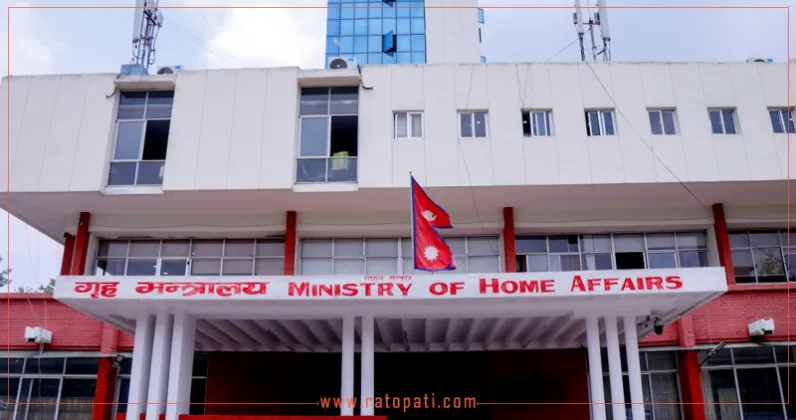
KATHMANDU - The Ministry of Home Affairs has transferred and reassigned nine gazetted first-class (joint secretary) officials in a sweeping administrative reshuffle, according to a ministry decision dated Mangsir 11, 2083. Among those moved is the Director General of the Department of Immigration, one of the most sensitive posts in the country's security and border management apparatus. The ministry announced the decision on November 28, 2026.
Key changes across ministries and departments
The reshuffle covers senior officials serving across various ministries, departments and district administration offices. While the Director General of the Department of Immigration is the most high-profile transfer, the nine affected joint secretaries hold positions in multiple agencies of the federal bureaucracy, and the changes are expected to take effect as per the ministry's standard administrative procedures.
Transfers at the joint secretary level are typically undertaken to balance administrative experience across offices, refresh leadership in critical departments, and address performance or security considerations. The Department of Immigration, in particular, handles the entry and exit of foreign nationals, work permit documentation and border checkpoints, making its top post closely watched by both government and security agencies.
Chief District Officers replaced in several districts
Alongside the transfers of joint secretaries, the ministry has also replaced the Chief District Officers (CDOs) of several districts. CDOs serve as the government's chief administrative representatives at the district level and hold significant authority over law and order, elections, disaster response and coordination with security agencies such as the Nepal Police and the Armed Police Force.
Changes to district leadership are often carried out ahead of, or in response to, shifting administrative priorities. By rotating CDOs across districts, the ministry seeks to ensure fresh oversight and maintain neutrality in local governance. The simultaneous movement of both department heads and district chiefs indicates a broad effort to reconfigure the senior cadre of the home administration in one coordinated decision.
Context of the reshuffle
The decision, formalized under the date Mangsir 11, 2083 of the Nepali calendar, was made public by the ministry on November 28, 2026. The Home Ministry is the central authority for internal security, federal affairs and provincial coordination, and its administrative decisions are among the most consequential in the civil service, affecting officers deployed from Kathmandu to the country's most remote districts.
Gazetted first-class officers, commonly known as joint secretaries, occupy the senior tier of the civil service and often head departments, divisions or district administrations. Nine such officials being moved at once reflects a significant personnel adjustment within the bureaucracy. Further details regarding the specific postings and incoming officeholders are expected to be confirmed through official notices issued by the ministry.
The reshuffle underscores the ministry's ongoing practice of periodically rotating senior officials to maintain administrative efficiency and accountability across the federal structure. Officials and observers alike will be watching how the new leadership at the Department of Immigration and the affected district administration offices shapes day-to-day governance in the coming months.