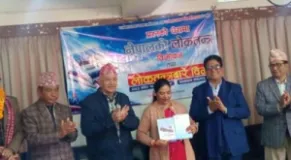
Home Minister Sudhan Gurung inspected health services and security arrangements at the BP Koirala Institute of Health Sciences (BPKIHS) in Dharan, Sunsari, on November 28, in a monitoring visit aimed at assessing how patients are being served at one of eastern Nepal's largest hospitals. During the inspection, Gurung gathered information on the services provided to patients, patient safety, and the challenges people face in accessing treatment. He also voiced concern over the possible involvement of middlemen in hospital operations and directed institute officials to prioritise patients' welfare, as reported by Khabarhub and My Republica.
Why BPKIHS Matters
Located in Dharan, the BP Koirala Institute of Health Sciences is one of Nepal's leading health sciences institutions and serves as a major referral centre for patients from across the eastern region. For families in Sunsari and the surrounding districts, it is often the first point of access for specialised medical care, which means the quality of its services carries consequences well beyond the hospital's own campus.
It is against this backdrop that the Home Minister's visit carries weight. When services at an institution of this scale come under scrutiny, whether over access, safety, or the conduct of intermediaries, the effects are felt by a wide patient population that depends on the institute for treatment. A ministerial inspection of the kind carried out on November 28 places those day-to-day realities directly before the government.
What the Inspection Covered
Gurung's monitoring focused on the practical experience of care at BPKIHS. During the visit, he sought information on:
- Services provided to patients, including how care is being delivered at the institute;
- Patient safety, a core concern for any large hospital; and
- Challenges in accessing treatment, the difficulties patients encounter in reaching and receiving care.
Alongside the review of health services, the minister also inspected the security arrangements in place at the institute. The inclusion of security in the monitoring reflects the Home Ministry's broader responsibility for law and order across public institutions, ensuring that the environment in which patients receive care remains safe and orderly.
Field inspections of this kind allow senior officials to hear directly about conditions on the ground rather than relying solely on written reporting. By visiting the campus and gathering information in person, the minister was able to compare the experience of patients with the services the institute is expected to provide.
Concern Over Middlemen in Hospital Operations
A central theme of the visit was Gurung's expressed concern over the possible involvement of middlemen in the operations of the hospital. According to the reports, the minister raised this issue during the monitoring, pointing to the possibility that intermediaries may be inserting themselves between patients and the services they are entitled to receive.
The presence of middlemen in healthcare settings is a familiar concern in Nepal. When unauthorised intermediaries position themselves between patients and hospital services, patients can face added costs, delays, and confusion at a time when they are already vulnerable. For a referral institution like BPKIHS, which receives patients from far-flung districts, the problem can be particularly damaging, as many arrive unfamiliar with the hospital's procedures and under pressure to secure treatment quickly.
By raising the issue during the inspection itself, the Home Minister signalled that such practices are being watched closely at public health institutions, and that the welfare of patients must not be compromised by the conduct of third parties operating around hospital services.
Direction to Prioritise Patients' Welfare
Alongside his concerns, Gurung issued a clear instruction to the officials of the institute: patients' welfare must come first in how BPKIHS operates. The directive ties together the strands of the visit, from the review of services and patient safety to the questions raised about middlemen and access to treatment, placing the patient at the centre of the institute's responsibilities.
The instruction was delivered directly to the institute's officials during the visit, making them responsible for ensuring that the concerns raised translate into practice at the level of patient care. For a hospital that serves a large and diverse patient population, the message was that services, safety, and accessibility must be treated as the institute's primary obligations.
The November 28 inspection gave the Home Minister a direct view of both the services BPKIHS provides and the obstacles patients face in accessing them, along with the security environment in which the institute operates. With officials now carrying the minister's direction, attention will remain on how the concerns raised in Dharan, particularly over middlemen and patient access, are addressed in the institute's day-to-day operations.