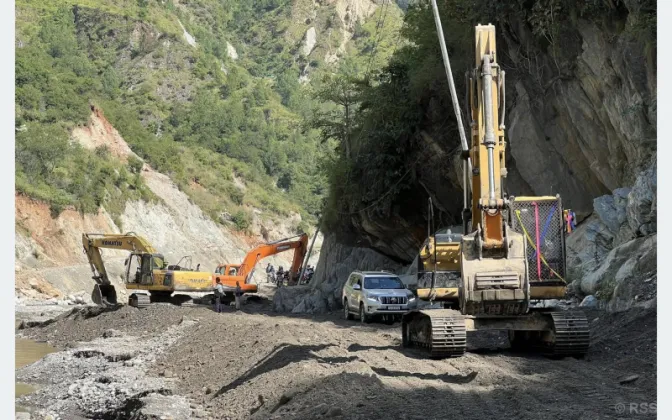
Highways across Nepal have been disrupted due to disasters, according to reports published by Nepali news outlets Baahrakhari and Nepal Views on October 22, 2026. The disruptions are said to have affected both road infrastructure and the surrounding environment, a combination that highlights how natural disasters in Nepal rarely stop at physical damage alone. The reports, however, did not immediately identify the specific highways involved, the type of disasters that struck, or the full extent of the damage, leaving a number of practical questions open for the travelers and freight operators who rely on the country's road network every day.
What Has Been Reported So Far
The information available at this stage is limited, but it is clear on its central point: highways across Nepal have been affected by disasters, and the impact extends beyond the roads themselves to the environment around them. Both Baahrakhari and Nepal Views carried the story on October 22, 2026, with the Nepal Views report published under the headline "Highways Affected by Disaster."
Based on the reporting so far, the key facts can be summarized as follows:
- Highways across Nepal have been disrupted due to disasters, rather than the damage being confined to a single route or region.
- Road infrastructure has been affected by the disruptions.
- The environment has also been impacted, according to the reports.
- The reports were published on October 22, 2026, by Baahrakhari and Nepal Views.
- Specific locations and the extent of the damage were not provided in the reports.
That last point is significant. In disaster-related road disruptions, the difference between a brief obstruction and a prolonged closure can mean the difference between minor inconvenience and serious shortages for communities that depend on highway transport. Without confirmed details, the practical scale of the current disruption remains difficult to judge.
Questions That Remain Unanswered
For a story of this nature, several details are essential to understanding its true impact. At the time of the reports' publication on October 22, 2026, the following questions had not been addressed:
- Which highways have been disrupted, and in which districts or provinces?
- What type of disasters caused the disruptions, such as landslides, floods or other events?
- How long the disruptions are expected to last, and whether any routes have since reopened?
- Whether there have been injuries, fatalities, or losses of vehicles and cargo as a result of the disasters?
- What response measures authorities have initiated, including clearance work, traffic advisories or alternative route arrangements?
The absence of these details means that readers, travelers and businesses must for now treat the reports as an early indication of widespread disruption rather than a complete picture. Newsrooms in Nepal frequently publish initial alerts of this kind as events unfold, with fuller details following once field teams and district officials are able to verify conditions on the ground.
Nepal's Highways and the Weight of Disasters
While the reports do not specify the cause of the current disruptions, they come against a familiar backdrop. Nepal's highways must cross some of the most difficult terrain in the world, winding along river valleys and over ridgelines that are highly exposed to natural hazards. In such geography, disasters regularly take a heavy toll on road infrastructure, blocking routes, damaging sections of carriageway and cutting districts off from the national network.
The consequences of highway disruptions are felt far beyond the roads themselves. Highways carry the bulk of Nepal's domestic freight and passenger traffic, linking the Terai plains with the hill districts and connecting the capital, Kathmandu, with the rest of the country. When major routes are disrupted, the effects typically ripple outward: fuel, food and other essential supplies move more slowly or stop altogether, transport costs rise, and travelers are left stranded or forced onto long detours. The reports' mention of environmental impact is also notable, as disasters in Nepal frequently combine damage to physical infrastructure with broader harm to surrounding landscapes and ecosystems.
Waiting for a Fuller Picture
For now, the confirmed picture is that highways across Nepal have been disrupted by disasters, that road infrastructure and the environment have been affected, and that the specifics are still being established. Travelers planning journeys by road, along with transporters moving goods across the country, will be watching closely for updates on which routes are passable and which remain blocked.
As further information emerges on the affected locations, the causes of the disruptions and the response of the authorities, a clearer picture of the scale of the damage and the time needed for recovery is expected to take shape. Further details are available in the original report published on Nepal Views.