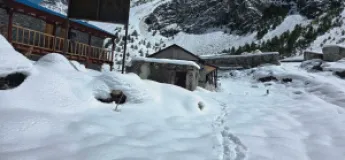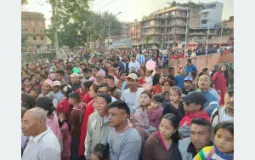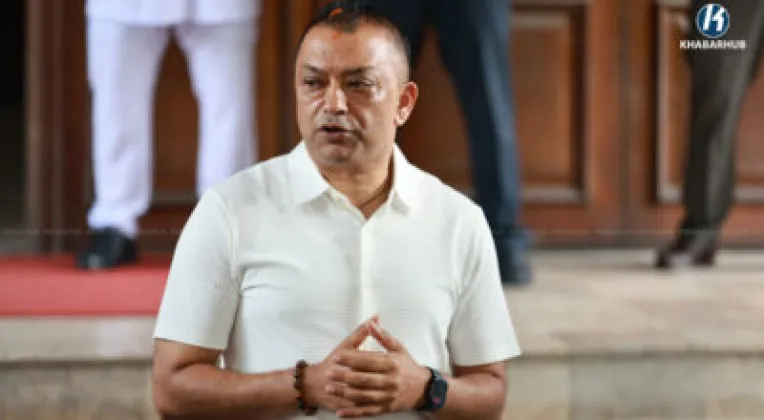
Nepali Congress President Gagan Thapa has urged Nepalis to share the joy of Vijaya Dashami with families that are grieving or struggling, saying this year's festival is being observed against the backdrop of national disaster and suffering. In his Vijaya Dashami greetings issued on Wednesday, Thapa appealed to Nepalis at home and abroad not to keep the festival's happiness confined to their own homes, but to stand beside those in distress and become a source of support for them. He asked everyone to help ease, even a little, the pain of families who have been affected, presenting the country's biggest festival as an occasion for compassion as much as celebration.
'Share the Joy of Dashain With Those in Distress'
Thapa's greeting stood out from the usual round of festival wishes for the urgency of its appeal. "Let's share the joy of Dashain with those in distress," he said, according to Ratopati. The Congress president noted that the festival this year has arrived at a time when disaster has brought sorrow into households across the country, and he argued that the happiness of Dashami should therefore not stop at the doors of families who have been spared.
He reminded citizens that a festival celebrated in comfort carries an obligation toward those celebrating in grief. As Nagarik News reported, he said, "let us help the bereaved families even if it is just a little bit." The phrasing underscored his point that Nepalis were not being asked for extraordinary sacrifice, but for ordinary gestures of solidarity that acknowledge the pain of others.
What Thapa asked of Nepalis
Among the central appeals of his Vijaya Dashami message were the following:
- Share the joy of Vijaya Dashami with families facing hardship and grief
- Do not keep the festival's happiness confined within your own home
- Become a source of support for people living through distress
- Help ease, even a little, the pain of families affected by disaster
Dashain's Traditions Shadowed by Grief
Vijaya Dashami is the most important day of Dashain, Nepal's longest and most widely celebrated festival. It is the day when elders bless younger family members by placing tika, a mixture of rice, vermilion and yogurt, along with jamara, freshly grown barley shoots, on their foreheads. Homes fill with relatives who have traveled long distances, blessings and gifts are exchanged, and the day is traditionally associated with reunion, abundance and joy.
That familiar picture is incomplete this year. Thapa's greeting acknowledged that the festival is unfolding amid national disaster and suffering, and that many households will observe Dashami in mourning rather than celebration. For bereaved families, the season's emphasis on family togetherness can sharpen the sense of absence, a reality that his message placed at its center.
Public figures across Nepal traditionally mark Dashami by extending greetings to the nation, wishing citizens happiness, prosperity and good health. Thapa chose instead to foreground the country's grief, using his festival message to argue that standing with the suffering is itself among the values the festival exists to uphold.
A Call to Nepalis at Home and Abroad
Thapa's appeal was addressed to Nepalis wherever they may be. Within the country, he asked people to look beyond their own family circles toward neighbors and community members living through hardship. For the Nepali diaspora, which marks Dashain each year far from ancestral homes, the message was the same: the festival's happiness should not remain confined to one's own household, whether that home is in Nepal or abroad.
Dashain is the festival that draws Nepalis back to their villages and hometowns each year, and for those working overseas it remains one of the strongest emotional ties to home. Thapa's decision to address both audiences reflected his view that the duty to share the festival's joy applies equally to those celebrating in Nepal and to those celebrating overseas.
The Congress president asked everyone to become a support for those in distress and to help ease even a little the pain of affected families. Khabarhub also carried his greetings, highlighting his call for Nepalis to reach out to the grieving during the festival.
His message came as families across the country confront loss and hardship during the festival season. It suggested that the days of Dashain, when people traditionally share food, blessings and time with relatives, can also be days for sharing comfort with those who have little to celebrate.
A Festival Message Centered on Compassion
Dashain greetings from political leaders typically focus on unity, prosperity and hopes for a better year ahead. Thapa's decision to place grieving families at the heart of his message reflected the mood of a festival season shadowed by disaster. Rather than dwelling on celebration alone, his greetings emphasized what people can give to one another when times are hard.
In asking Nepalis to share the joy of Dashain with the distressed, the Congress president returned the festival to one of its oldest ideas: that togetherness means little if it excludes those in sorrow. His appeal, issued on Wednesday, was for the happiness of Vijaya Dashami to travel beyond comfortable homes, so that grieving families feel, even a little, that they have not been left to mourn alone.