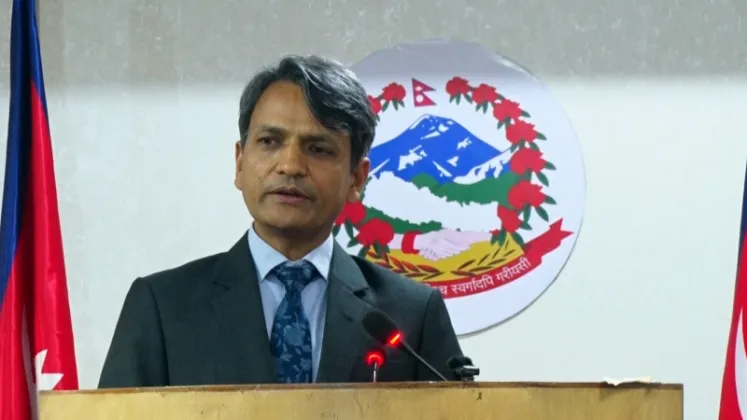
The Ministry of Foreign Affairs has begun coordinating the implementation of agreements reached during a visit to India, according to reports published on 27 November 2026. The move signals that Nepal is moving from negotiation to delivery on the understandings made during the high-level trip, a stage that often determines whether diplomatic outcomes translate into tangible results on the ground.
Two Nepali news outlets, Nepal Views and Nepal Samaya, reported that the ministry has started the coordination process for carrying out the understandings made during the trip. The reports, published on 27 November 2026, confirmed that work has begun within the ministry to operationalize the outcomes of the visit, though neither outlet specified which agreements are being implemented or who led the delegation to India.
From Agreements to Implementation
The transition from signing agreements to implementing them is a familiar challenge in Nepal-India relations. High-level visits between the two countries typically produce a range of outcomes, including joint statements, memoranda of understanding, project agreements, and commitments on trade, energy, connectivity, and development cooperation. Turning those documents into action requires sustained coordination across government ministries, provincial authorities, and implementing agencies.
The Foreign Ministry, as the custodian of Nepal's diplomatic engagements, typically plays a central role in this follow-up process. Coordination involves bringing together the various Nepali institutions responsible for different elements of an agreement, establishing timelines, and maintaining communication with the Indian side to ensure that commitments are honoured on both ends. The decision to begin this process so soon after the visit suggests the ministry is treating the outcomes as a priority.
While the published reports did not detail the specific subject matter of the agreements, visits between Nepali and Indian leaders in recent years have generally focused on areas such as cross-border connectivity, hydropower development, energy trade, border management, and economic partnership. Implementation of such understandings often requires follow-through across multiple government bodies, which makes the ministry's coordinating role a critical early step.
Reporting by Nepali Media
The reports from Nepal Views and Nepal Samaya, published on 27 November 2026, form the basis of what is currently known about the ministry's move. Nepal Views, in its coverage, stated that the Ministry of Foreign Affairs has begun coordination to implement the India visit agreement. Nepal Samaya similarly reported that the ministry has started the coordination process for implementing the agreements reached during the trip.
Neither report named the official or officials who led the visit, nor did they enumerate the individual agreements now entering the implementation phase. This leaves open questions about the scale and scope of the commitments involved, details that may emerge as the coordination process advances and as the government shares more information publicly.
Why Implementation Matters
In Nepal's diplomatic practice, agreements signed abroad have at times faced delays in execution, with projects announced during high-level visits taking years to move from memorandum to construction. Observers of Nepal's foreign policy have frequently pointed to this gap between commitment and delivery as a recurring weakness. Against that backdrop, the Foreign Ministry's early start on coordination will be watched closely by those hoping to see faster follow-through this time.
India is Nepal's largest trading partner and a key partner in infrastructure and energy development, so the agreements reached during the visit carry practical significance for both countries. Effective implementation depends on inter-agency coordination within Nepal, timely counterpart arrangements on the Indian side, and steady diplomatic engagement to resolve obstacles as they arise.
What Comes Next
As the coordination process gets underway, attention will turn to which institutions are assigned responsibility for each element of the agreements, what timelines are set, and whether dedicated mechanisms are established to monitor progress. Governments in Kathmandu have in the past used joint working groups, project steering committees, and periodic reviews to keep bilateral commitments on track.
Further details on the agreements being implemented and the officials involved are expected to become clearer as the ministry's work progresses. For now, the confirmed development is that the Ministry of Foreign Affairs has formally begun the internal coordination needed to carry forward the understandings reached during the India visit, marking the first administrative step toward turning diplomatic outcomes into on-the-ground results.