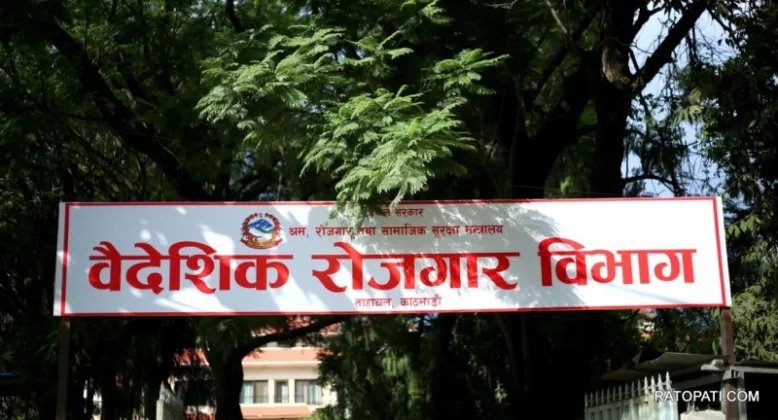
KATHMANDU - The Department of Foreign Employment has issued a stern warning to licensed manpower companies against sending workers abroad on personal labour permits, a practice it says violates the country's existing foreign employment laws. In a notice made public on Friday, November 27, 2026, the department said it will take the strictest possible action against any firm found flouting the rules.
Warning Against Illegal Practice
The department's notice makes clear that obtaining individual or personal labour permits to send workers overseas through manpower companies is not permissible under the prevailing legal framework. Manpower companies are licensed entities that are required to operate within the bounds of the Foreign Employment Act and related regulations, which are designed to ensure that workers who migrate abroad for employment do so through proper, documented channels.
By sending workers on personal labour permits, manpower companies effectively bypass the oversight mechanisms that exist to protect migrant workers. The department has indicated that such practices undermine the regulatory system and will not be tolerated. In its notice, the department explicitly stated that "maximum action" will be taken against those found sending workers abroad after obtaining individual labour permits.
Why Personal Permits Are a Concern
Nepal's foreign employment sector relies on a structured system in which workers seeking overseas jobs typically go through licensed recruitment agencies. These agencies are responsible for verifying job offers, ensuring contracts meet legal standards, and facilitating the documentation required for legal migration. Personal labour permits, on the other hand, are meant for individuals who arrange their own foreign employment independently, without the involvement of a recruitment agency.
When manpower companies route workers through personal permits, several protections can fall away. Workers may end up with contracts that have not been vetted, terms that differ from what was promised, and reduced recourse if they face exploitation or maltreatment at their destination. The department's warning comes amid ongoing efforts by Nepali authorities to formalize labour migration and curb the misuse of permit categories.
Regulatory Crackdown
The notice issued on Friday signals that the Department of Foreign Employment is prepared to move decisively against violators. The department's stated intention to impose the "strictest possible action" suggests that manpower companies caught engaging in the practice could face serious consequences, including potential license-related penalties. The department has been given a clear mandate under the law to regulate recruitment agencies and act against those that operate outside legal channels.
The warning also serves as a direct message to the recruitment industry. Manpower companies form a significant part of Nepal's foreign employment ecosystem, facilitating the migration of hundreds of thousands of Nepali workers each year to destinations in the Gulf, Malaysia, and elsewhere. Ensuring these firms comply with permit regulations is central to the government's broader goal of safe, orderly, and dignified labour migration.
What Comes Next
For workers, the department's message underscores the importance of understanding the type of permit under which they are being sent abroad. Migrants are advised to ensure that their documentation matches their actual recruitment channel and that all processes comply with the legal requirements set by the department.
The department's notice, published publicly on Friday, November 27, 2026, is expected to put manpower companies on alert. Firms that continue to send workers on individual labour permits despite the warning now face the prospect of the maximum action available to regulators. As the Department of Foreign Employment continues its oversight role, the notice represents a firm stance that violations of the foreign employment legal framework will be met with the full force of the law.
Migrant workers, recruitment agencies, and other stakeholders in the foreign employment sector will be watching closely to see how the department enforces this warning in the days ahead, as Nepal continues its efforts to protect the rights and safety of its citizens working abroad.