Federation of Nepali Journalists Condemns DSP's Remarks
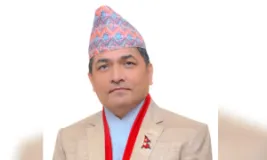
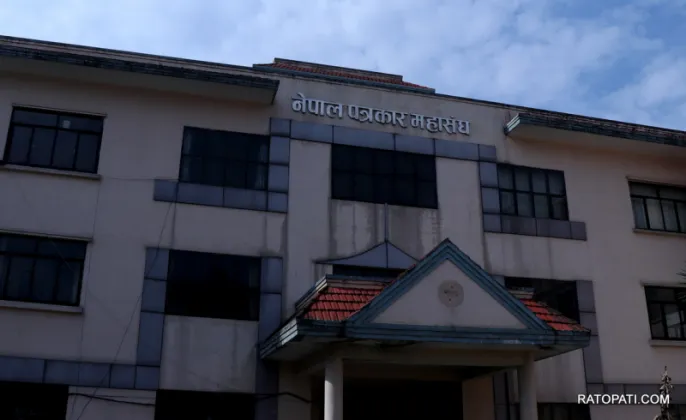
The Federation of Nepali Journalists (FNJ) has strongly objected to remarks made by Dr. Hem Bahadur KC, Deputy Superintendent of Police (DSP) at the District Police Office in Dang, which the federation says defamed the journalism profession. In a press release issued on Wednesday, the FNJ described the statements as highly condemnable and regrettable, calling on the police officer and the wider security establishment to respect the constitutionally guaranteed freedom of the press and the rights of journalists.
The objection was formally registered by FNJ General Secretary Ram Prasad Dahal, who signed the press release issued from the federation's central office. The federation's swift response underscores the growing sensitivity within Nepal's journalistic community to statements from state officials that are seen as undermining the credibility and dignity of the profession.
FNJ's Statement and Demands
According to the press release, the FNJ took serious exception to the DSP's remarks, stating that such statements coming from an official holding a responsible position in the police administration were unacceptable. The federation said the remarks had defamed journalism as a whole, and it demanded that they not be repeated.
The FNJ also urged that the press freedom and the rights guaranteed to the media by Nepal's constitution be respected. The federation reiterated that journalists play a vital role in informing the public, holding power to account, and strengthening democracy, and that statements from officials that malign the profession erode the environment in which the media operates.
While the press release stopped short of announcing specific disciplinary demands against the officer, the federation's language was firm, describing the remarks as worthy of the strongest condemnation. The FNJ's intervention reflects its standing role as the country's largest journalists' organization, frequently speaking out on issues of press freedom, journalist safety, and institutional respect for the media.
Constitutional Context and Press Freedom
Press freedom enjoys explicit protection under Nepal's constitution, which guarantees the right to freedom of opinion and expression and grants citizens the right to seek, receive, and impart information. The constitution also envisions a media sector free from coercion and obstruction, placing an obligation on state organs, including the police, to respect these guarantees.
The FNJ's statement reminded state authorities of this obligation, noting that officials at all levels must conduct themselves in a manner consistent with constitutional values. Statements by security personnel against the press, the federation indicated, are particularly concerning because police institutions hold significant power and their words carry institutional weight.
Background and Reactions
Dr. Hem Bahadur KC serves as a DSP at the District Police Office in Dang, a district in Nepal's Lumbini Province. Details of the specific occasion and full content of his remarks were not elaborated in the federation's release, but the FNJ characterized them as defamatory toward journalism and journalists.
The protest by the FNJ comes amid ongoing concerns within Nepal's media community about verbal attacks, intimidation, and hostile commentary directed at journalists by individuals in positions of authority. Journalists' organizations across the country have repeatedly called on government bodies and security agencies to treat the press with respect and to engage with the media constructively rather than through derogatory remarks.
The federation has indicated that it will continue monitoring the situation and that it remains committed to defending the dignity of the journalism profession and the constitutional rights of journalists nationwide. The FNJ has called on the concerned authorities to remain alert so that such incidents are not repeated in the future.
Looking Ahead
The episode in Dang is the latest in a series of instances where Nepal's press community has pushed back against statements from officials perceived as hostile to the media. The FNJ's press release, signed by General Secretary Ram Prasad Dahal, makes clear that the federation regards the DSP's remarks not as an isolated personal comment but as a matter touching on the broader relationship between the state and the press.
Whether the District Police Office or higher authorities in the Nepal Police respond to the federation's concerns remains to be seen. For now, the FNJ has placed its position squarely on record: remarks defaming journalism are unacceptable, and the constitutionally guaranteed rights of the press must be respected by every organ of the state, including those charged with enforcing the law.