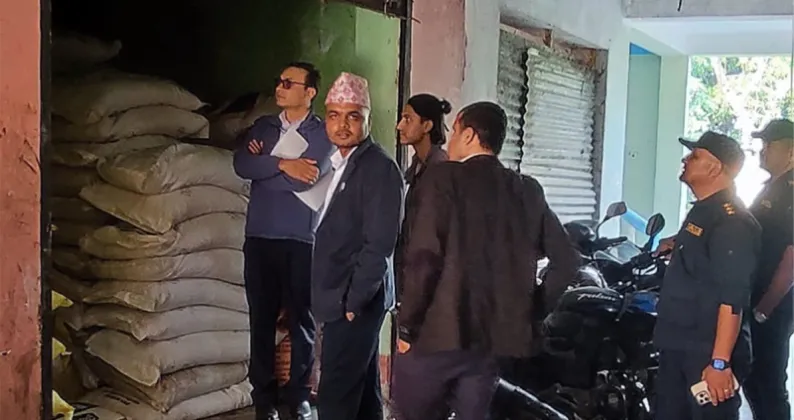
An agricultural store in Nepal has been fined Rs 200,000 for misusing subsidised fertiliser, according to reports published by Nepali news outlets Nepal Samaya and Thaha Khabar. The penalty was imposed after the store was found to have diverted subsidised fertiliser from its intended purpose, an act that deprives genuine farmers of access to government-supported agricultural inputs at fair prices.
The reports, however, did not specify the location of the agricultural store or the name of the authority that issued the fine. No further details regarding the case, including the exact circumstances of the misuse or any legal proceedings, were provided in the available coverage.
Subsidised Fertiliser and Its Importance
Subsidised fertiliser is a key component of Nepal's agricultural support system, designed to make essential farm inputs affordable for farmers across the country. The government provides these subsidies to boost agricultural productivity, reduce the cost burden on farmers, and support the country's food security goals.
When subsidised fertiliser is diverted from its intended use, the impact goes beyond administrative wrongdoing. Farmers who depend on the subsidised supply may face shortages or higher prices, undermining the very purpose of the subsidy programme. Such misuse also represents a misuse of public resources allocated for agricultural development.
Action Against Misuse
The Rs 200,000 fine imposed on the agricultural store signals that authorities are willing to take action against businesses found to be misusing the subsidised fertiliser system. Agricultural stores play a critical role in the distribution chain, acting as intermediaries between the government's supply system and the farmers who ultimately purchase the fertiliser.
- The fine amounts to Rs 200,000, imposed on a single agricultural store
- The store was found to have diverted subsidised fertiliser from its intended use
- The location of the store and the authority issuing the fine were not disclosed in the reports
What Was Reported
The story was covered by two Nepali news outlets, Nepal Samaya and Thaha Khabar, both of which reported that the fine was imposed specifically for the misuse of subsidised fertiliser. The available reports did not elaborate on when the misuse was discovered, whether an investigation was conducted, or whether the store faces any additional penalties or sanctions.
The lack of detail in the coverage means many questions remain unanswered, including whether the case is part of a broader enforcement drive against fertiliser misuse, or whether similar actions have been taken against other stores in the past.
Context: Fertiliser Distribution in Nepal
Fertiliser supply has long been a sensitive and challenging issue in Nepal's agricultural sector. Farmers in many parts of the country regularly report difficulties in obtaining adequate quantities of chemical fertiliser, particularly during peak planting seasons. The government imports and subsidises fertiliser to bridge this gap, making its proper distribution a matter of significant public interest.
Incidents of subsidised fertiliser being diverted or misused have drawn criticism from farming communities and civil society, as they directly affect the availability of affordable inputs for genuine farmers. Enforcement actions such as the fine reported in this case are closely watched, as they indicate the seriousness with which the authorities treat irregularities in the subsidy system.
Looking Ahead
As of the time of reporting, neither Nepal Samaya nor Thaha Khabar provided additional information about the identity of the store, the authority that imposed the fine, or the store's response to the penalty. It remains to be seen whether further details will emerge about the case, or whether additional measures will be taken to strengthen oversight of the subsidised fertiliser distribution system.
Farmers' groups and agricultural stakeholders have repeatedly called for greater transparency in the fertiliser supply chain. Actions like this fine may reinforce the message that subsidised fertiliser is intended solely for the benefit of farmers, and that businesses involved in its distribution are expected to handle it responsibly.