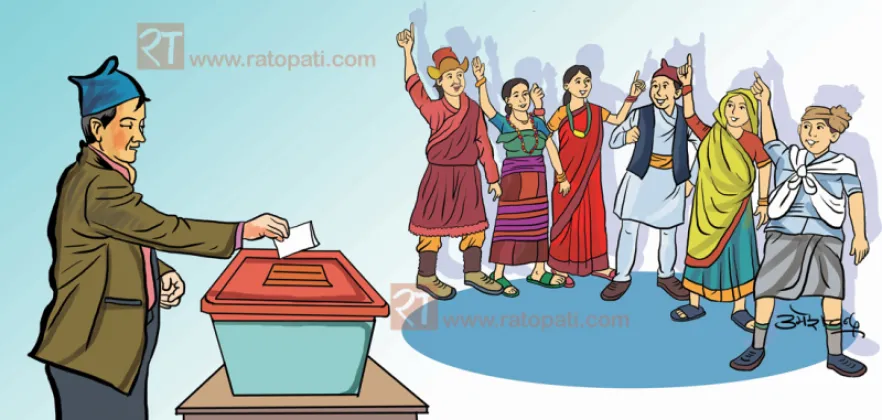
The Election Commission (EC) has started preparations for the upcoming local level elections, with a nationwide review of polling stations among its first major steps. The constitutional election body has written to all local levels across the country, seeking their cooperation and facilitation for the review of polling stations ahead of the polls.
Alongside the polling station review, the Commission has also moved to update the voter roll, a foundational task ahead of any election. The EC said the review will cover polling stations nationwide, ensuring that the physical infrastructure and locations used for voting are properly assessed and prepared before voters go to the polls.
Letter Sent to All Local Levels
According to the Election Commission, official correspondence has been dispatched to every local level in the country, requesting their support in the polling station review process. Local governments are expected to facilitate the Commission's work, which typically involves assessing the suitability of buildings and venues used as polling locations, checking access, and identifying whether existing stations are adequate or need to be relocated, merged, or expanded.
The involvement of local levels is a standard practice for the EC, as municipalities and rural municipalities have direct knowledge of local infrastructure and are responsible for providing usable venues for polling. Their cooperation is crucial for the Commission to finalize the list and configuration of polling stations well before the election date is announced.
Voter Roll Update Underway
In addition to reviewing polling stations, the Election Commission has begun updating the voter roll for the upcoming local elections. An accurate and current voter list is considered one of the most important pre-electoral tasks, as it determines which citizens will be able to cast their ballots.
The update process generally includes the registration of citizens who have come of voting age since the last election, removal of duplicate or deceased entries, and verification of voter details. By starting this work early, the Commission aims to minimize disputes and administrative problems on polling day.
Background: Local Elections in Nepal
Local level elections in Nepal are held to elect representatives to metropolitan cities, sub-metropolitan cities, municipalities, and rural municipalities, including mayors, chairpersons, ward members, and other local representatives. The last local elections were held in 2022, and the next cycle is due as the terms of locally elected bodies approach their end.
The Election Commission, as the constitutional body responsible for conducting elections, traditionally begins technical preparations months in advance. Reviewing polling stations and updating the voter roll are among the earliest activities in the election calendar, followed later by the announcement of election dates, candidate registration, campaigning, and polling itself.
The current nationwide review signals that the Commission is treating the upcoming local elections as a priority and is moving to put the logistical groundwork in place. A thorough review of polling stations helps ensure that voters across the country, including in remote and rural areas, have accessible and secure places to vote.
What Comes Next
The Election Commission has said the polling station review will cover the entire country, and it has asked local levels to cooperate fully in the process. Once local governments respond and the review is completed, the Commission is expected to finalize the polling station lists, which will form part of the broader election logistics plan.
As preparations advance, further decisions on the election schedule and related administrative arrangements will be announced by the Commission in due course. For now, the focus remains on the groundwork: ensuring the voter roll is current and that every polling station across the country is ready for the voters who will use it.
For more details, see the original reports from Ratopati and Gorkhapatra Online.