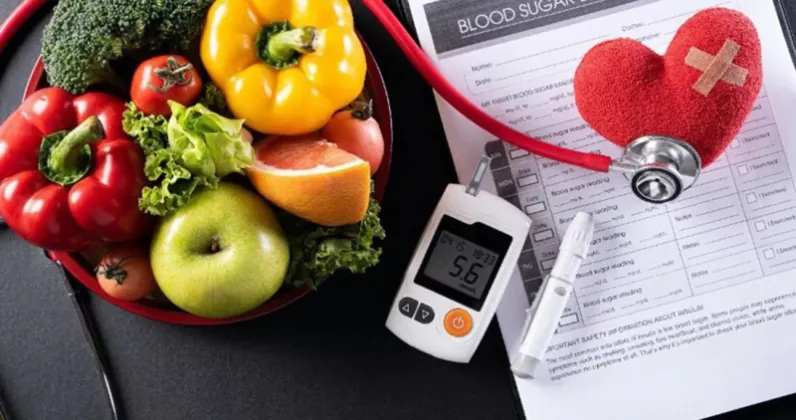
A Ratopati explainer on the relationship between food and blood sugar says that a slight increase in blood sugar after eating can be a normal, natural response, while urging readers to distinguish an expected rise from a spike that may cause concern. The article, published by Ratopati, addresses a subject drawing growing public discussion and asks when changes after a meal should be taken seriously and when they should not.
Why blood sugar can rise after eating
Blood sugar is often discussed as though any increase is automatically a warning sign. Ratopati’s explainer offers a more measured perspective: a modest rise after food is part of the body’s normal response. In that sense, a reading that is higher after a meal than before it should not, on its own, be treated as proof that something is wrong.
The article’s central point is the need to consider the context of a rise. Eating and blood sugar are connected, so a change after food is not necessarily unusual. The question is not simply whether blood sugar has gone up, but whether the change is a normal post-meal response or one that should prompt concern.
That distinction is important as public attention to rising blood sugar grows. Concern can lead people to interpret every increase as a sign of a health problem. Ratopati’s explainer cautions against that automatic conclusion by highlighting that a slight post-meal rise can be natural.
When a rise should not automatically alarm you
A small increase after eating, considered by itself, is not presented in the explainer as a reason to panic. The article separates this ordinary response from the broader question of when a spike may be concerning. That framing helps counter the idea that blood sugar must remain unchanged after a meal for a person to be healthy.
The difference between a normal rise and a worrying one is the focus of the explainer. Rather than treating every post-meal change as the same, it encourages readers to understand that increases can occur as part of the body’s response to food. This is a useful distinction for people who have encountered alarming discussions about blood sugar and are unsure how to interpret them.
Ratopati’s article does not suggest that every rise is harmless. Its message is more specific: a slight increase after eating can be normal, but there are circumstances in which a spike deserves attention. Keeping both parts of that message in view avoids two unhelpful extremes - dismissing all changes or assuming that any increase is dangerous.
Knowing when to pay attention
The explainer’s question - when to worry and when not to - points to the importance of judging a blood sugar change in context. A single observation that blood sugar has risen after food does not, on its own, answer whether the change is concerning. The article distinguishes a slight, natural increase from a spike that may require closer attention, without making the mere fact of eating and then seeing a rise a cause for alarm.
For readers, the practical takeaway is to avoid drawing a firm conclusion from the basic fact that blood sugar can increase after a meal. The presence of a rise and the significance of that rise are not the same thing. Ratopati’s explainer is intended to clarify that difference amid growing public discussion of blood sugar.
The article is available in English and Nepali. Its core message is straightforward: a slight post-meal increase can be a normal bodily process, while deciding whether a spike is concerning requires more than assuming that any rise is a problem.