The United States has taken its pressure campaign against Cuba into the open, with Secretary of State Marco Rubio appealing directly to Cuban citizens to push for change in their country and to cooperate with the Central Intelligence Agency. Havana answered with mockery rather than alarm, as Deputy Foreign Minister Carlos Fernandez quipped that Washington was recruiting for the CIA "as if selling toothpaste." The pointed exchange followed a statement by President Donald Trump that the United States would turn its attention to Cuba after settling matters with Iran, a remark that has placed the island squarely in the path of his administration's next foreign policy move.
A Secretary of State's Unusual Appeal
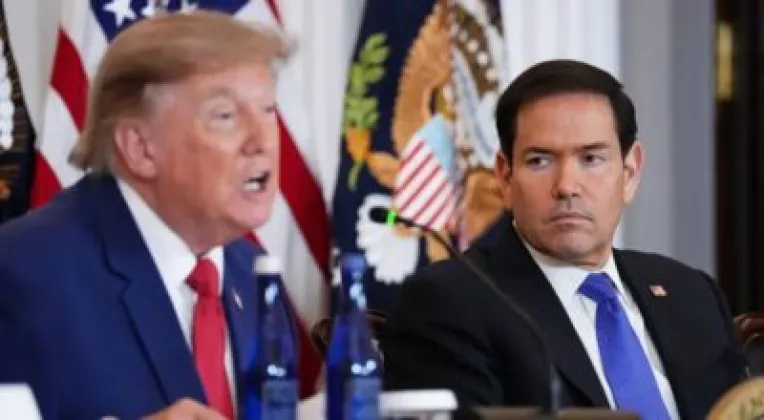
Rubio's message to the Cuban people was striking in its bluntness. As Khabarhub reports, the Secretary of State urged Cuban citizens to move forward for change and to cooperate with the CIA, effectively inviting the population of a sovereign nation to work with American intelligence.
The framing mattered as much as the substance. Rather than invoking diplomacy, negotiation or policy relief, Rubio tied the prospect of change inside Cuba directly to cooperation with the agency charged with gathering intelligence on the Cuban government. A public appeal of this kind is a rare instrument for a top diplomat, and it instantly converted ordinary Cubans from bystanders into the stated target audience of US strategy toward the island.
It also signaled how the administration intends to talk about Cuba: not as a problem to be managed through embassies and agreements, but as a people to be addressed directly, over the head of their own government.
"As If Selling Toothpaste": Havana Scoffs
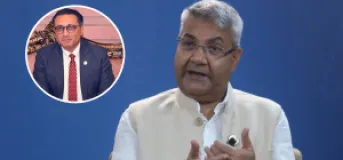
Cuba's response abandoned the usual language of protest in favor of ridicule. Deputy Foreign Minister Carlos Fernandez dismissed the American campaign with a comparison that has since come to define the story: the United States, he said, was recruiting for the CIA like a vendor selling toothpaste.
The metaphor was a calculated piece of rhetoric. By likening CIA recruitment to the sale of a household product, Fernandez sought to shrink the appeal from a grand strategic invitation into a cheap, everyday sales pitch, something ordinary and faintly absurd rather than historic or heroic. The jab was aimed not only at the content of Rubio's message but at its style, which Havana clearly viewed as marketing dressed up as diplomacy.
According to Ratopati, the sarcastic retort reflected Cuba's refusal to treat the US appeal as a serious proposition, a reaction also captured in English-language coverage by the outlet. The tone carried its own message: instead of threatening retaliation or demanding an explanation, Havana chose laughter, projecting confidence and denying the American overture any gravity. In diplomatic messaging, mockery can cut as sharply as condemnation.
Iran First, Cuba Next: Trump's Sequencing
The exchange did not erupt in a vacuum. It followed President Trump's statement that Washington would turn its attention to Cuba after settling matters with Iran. The sequencing was explicit, naming Cuba as the next item on the administration's agenda once the Iran file is closed.
For Havana, that framing confirmed that the island remains a declared priority rather than an afterthought. Read alongside Rubio's appeal, the president's remark suggested a coordinated posture: a public invitation to the Cuban people to cooperate with US intelligence, paired with a presidential warning that their government is next in line for American attention.
Two Narratives, One Standoff
The dueling statements left the two capitals talking past each other in the starkest terms. Washington's version casts the United States as an ally of Cubans seeking change, with the CIA presented as a partner in that effort. Havana's version presents the same appeal as a clumsy hustle, unworthy of a serious reply.
The core of the standoff can be summed up simply:
- The US appeal: Secretary of State Marco Rubio urged Cuban citizens to move forward for change and to cooperate with the CIA.
- Cuba's retort: Deputy Foreign Minister Carlos Fernandez mocked the recruitment drive, comparing it to selling toothpaste.
- The backdrop: President Trump's statement that the United States would focus on Cuba after settling matters with Iran.
Neither side has shown any sign of stepping back. The United States has made its pitch directly to the Cuban people, Cuba has answered with a punchline, and with Trump pointing to Havana as the next destination of American attention after Iran, the war of words between Washington and Cuba looks set to run on.