The main opposition CPN (UML) has described Prime Minister Balendra Shah's recent visit to India as one that delivered only average results, saying the trip fell short of expectations on matters of national interest.
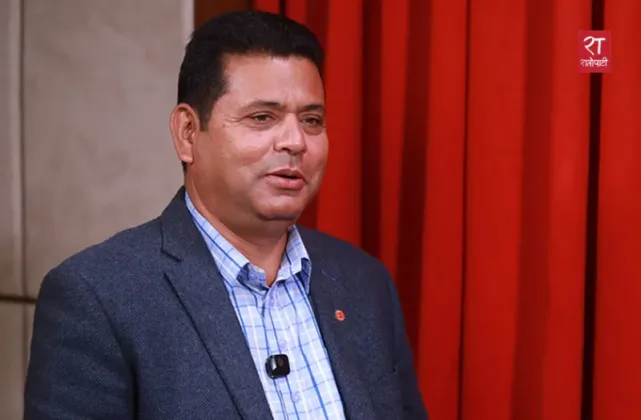
Niraj Acharya, chief of the party's Propaganda and Publication Department, made the assessment in a statement and in posts shared on social media, arguing that the visit came at a time of new political leadership in the country and of changed public expectations, and therefore should have produced more than it did.
Acharya's assessment of the visit
In his statement, Acharya characterised the outcomes of the Prime Minister's India visit as "limited to average achievements." According to the UML leader, the visit did not measure up to what he described as the expectations that accompany a new political leadership taking office and a public that is looking at foreign engagements with fresh eyes.
Acharya was particularly critical of the government's handling of issues he identified as being tied to the national interest. He said the government's presentation on those issues during the visit was weak, suggesting that the negotiating and advocacy effort put forward by the Prime Minister's team did not adequately defend or advance Nepal's positions in discussions with the Indian side.
The remarks reflect the UML's position as it watches the government's early diplomatic engagements from the opposition benches. By framing the visit as average rather than unsuccessful, Acharya's critique stopped short of calling the trip a failure, but signalled that his party does not consider the outcomes satisfactory either.
Criticism amid changed political context
A key theme of Acharya's statement was the political moment in which the visit took place. He pointed to the presence of new political leadership in the country, implying that a Prime Minister's first or early major diplomatic outing to India carries particular weight and is judged against heightened benchmarks.
Alongside the change at the top, Acharya also referenced changed public expectations, suggesting that citizens are no longer willing to treat foreign visits as ceremonial occasions but instead look for tangible outcomes on issues that directly affect Nepal's interests. In his view, the visit's average showing did not meet that standard.
By airing the criticism both through a formal statement and on social media, the UML's Propaganda and Publication Department chief ensured the message reached the party's wider support base as well as the general public, underscoring the party's intent to hold the government accountable for its foreign policy performance.
Opposition scrutiny of India policy
Relations with India have long been among the most closely watched areas of Nepali foreign policy, and visits by sitting Prime Ministers to New Delhi traditionally attract intense scrutiny from opposition parties and the wider public. Opposition leaders routinely evaluate such visits against the progress made on bilateral issues of concern to Kathmandu.
The UML's characterisation of the visit as average places it on record early in the government's tenure, setting up foreign policy performance as an area the party intends to press. Acharya's comments indicate the party will judge the government by how forcefully it presents Nepal's national-interest concerns in high-level bilateral engagements.
For now, the assessment from the UML stands as a pointed opposition critique: a visit conducted amid a new leadership and raised public expectations, in the party's view, should have delivered more than what Acharya described as average achievements and a weak presentation on national-interest issues.
Further details of the visit's outcomes and the government's response to the UML's criticism have not been included in the statements reported so far.