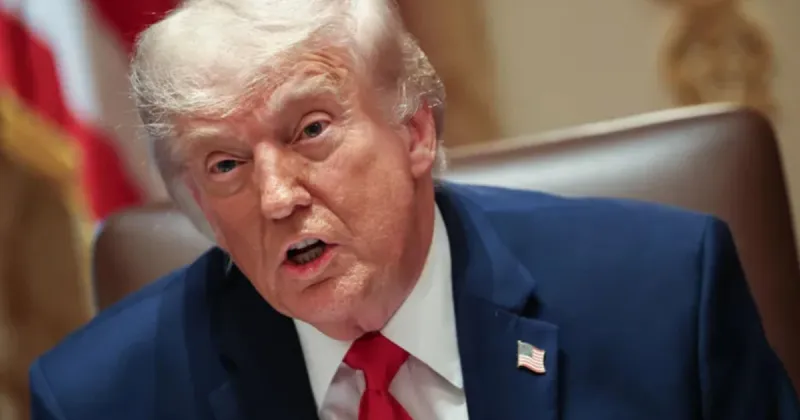
US President Donald Trump has said the Russia-Ukraine war may be coming to an end, according to reports published by Nepali outlets Thaha Khabar and Baahrakhari on November 5 and 6, 2026. The reports present his remarks as a possible sign of a conclusion to the conflict, while also considering what an end to the war could mean for global politics, the world economy and Nepalis living abroad.
A possibility, not a confirmed end
The reports describe the war as potentially nearing its end, but the wording does not establish that a ceasefire, peace agreement or final settlement has been reached. Nor does the information provided set out a timetable for an end to the fighting. Trump’s reported assessment therefore points to a possibility rather than confirming that the conflict is over.
That distinction matters: saying a war may be ending is not the same as announcing an agreed outcome. The reports frame the development around Trump’s statement and its potential significance, rather than reporting a completed resolution. The available details do not specify what steps, if any, would be required for the conflict to conclude.
Potential consequences beyond the battlefield
Thaha Khabar and Baahrakhari also look beyond the immediate question of whether the war could end. Their coverage considers possible consequences for international politics and the global economy. These are areas where an end to a major conflict could matter, but the reports, as summarized, do not identify specific policy changes, economic forecasts or arrangements that might follow.
For the same reason, the prospect should not be treated as evidence that global markets or political relationships have already changed. The reports raise the broader implications of a possible conclusion without describing a confirmed settlement or detailing its terms. Any assessment of what would follow would depend on how the conflict actually ends and what agreements are reached.
Implications for Nepalis abroad
The coverage also draws attention to the Nepali diaspora, asking what an end to the war could mean for Nepalis living overseas. The information available does not identify particular countries, communities or changes that diaspora members should expect. It signals that the potential consequences are being considered from a Nepali perspective as well as through wider international and economic questions.
For now, the central point in the reports is cautious: Trump has said the war may be coming to an end, but no confirmed conclusion is described. The possible effects on global politics, the world economy and Nepalis abroad remain part of the discussion around that prospect, rather than outcomes established by the reported statement. Thaha Khabar’s report is among the coverage cited.