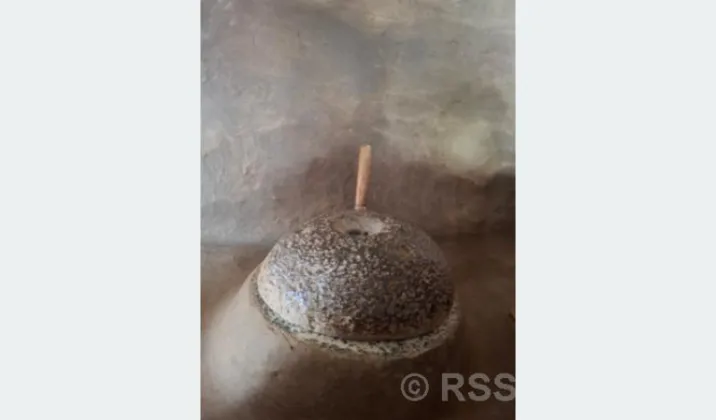
The traditional sounds of the dhiki and the turning of the janto once marked the start of the day in villages across Lamjung. These tools, used to husk and grind grain, are gradually disappearing from village life.
Their significance went beyond household work. The dhiki and janto reflected local labour, self-reliance and food culture, while the knowledge of using them was passed down through generations. Their displacement has prompted concern that Lamjung could lose part of its local identity and heritage.
More than household tools
The dhiki and janto were part of the everyday rhythm of village life. Their use connected food preparation with skills and practices handed down over time, making them important markers of local knowledge as well as practical implements.
Concerns over disappearing heritage
As these traditional tools become less common, concerns are growing that their decline could erode the originality of village life. The loss is seen not only in the disappearance of familiar sounds, but also in the gradual fading of practices tied to local labour, self-reliance and food traditions.