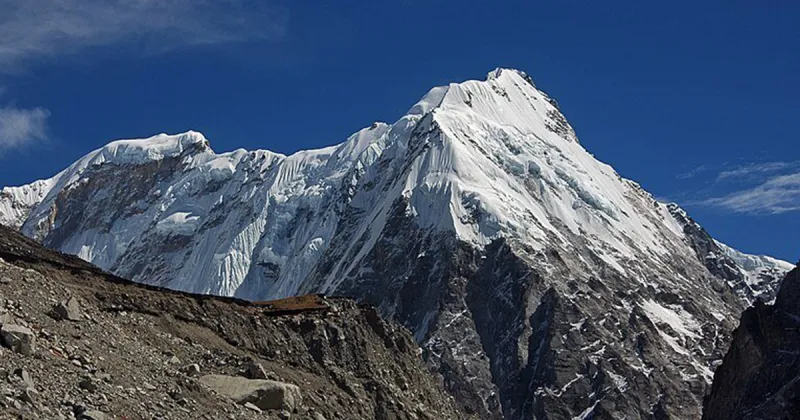
Tourist arrivals in the Langtang valley of Rasuwa district have increased after transport access to the area became easier, according to reports published by Thaha Khabar and Nepal Samaya on 21 October 2026. Both reports link the rise in visitor numbers to improved transportation, and local business operators in Langtang are described as encouraged by the growing flow of tourists to the Himalayan valley, which remains one of Nepal's best-known trekking destinations.
Transport improvements drive the increase
The central finding of the reports is straightforward: as moving to and around Langtang has become easier, more visitors have begun making the trip. The articles published by Thaha Khabar and Nepal Samaya both connect the growth in tourism to better transport access, although neither provides detailed statistics on arrivals or a breakdown of where the visitors came from.
Improved connectivity has long been one of the decisive factors shaping tourism in Nepal's mountain regions. Destinations that once required days of walking from the nearest road head tend to see arrivals climb once road journeys shorten the approach, because the trip becomes cheaper, faster and more manageable for travellers with limited time. Langtang, which lies to the north of Kathmandu and is normally reached by road before trekkers continue on foot up the valley, fits squarely within this pattern, and the reports suggest that easier access is now being reflected in the number of tourists on the trail and in the villages along the route.
It is worth noting the limits of what the reports contain. No specific arrival figures, timeframes or named individuals appear in the source articles, and neither outlet details exactly which transport improvements are responsible for the change. What both reports establish is the direction of travel: arrivals are up, and the improvement in transport is identified as the reason.
Encouraged business operators
For the people who run hotels, lodges, teahouses and other services in Langtang, the rise in visitors is welcome news. The reports state that local business operators are encouraged by the increase in tourist numbers, a sentiment that reflects how directly tourism income supports livelihoods across the valley.
Tourism in trekking regions such as Langtang sustains a wide chain of work: accommodation and food services along the trail, guiding and porterage, transport operators, and the shops and suppliers that keep village businesses running. When visitor numbers rise, the benefits are felt through this entire chain, which is why even modest improvements in arrivals tend to lift morale among operators who depend on the season for much of their annual income.
Peak season timing raises the stakes
The reports were published on 21 October, a date that falls within the autumn period generally regarded as the peak trekking season in Nepal's hills and mountains, when weather conditions are typically at their most stable and favourable for walking at altitude. Travel during this window places a premium on reliable transport links, since visitors planning short trekking itineraries depend on road connections to make the most of their time. That makes the reported link between improved transport and rising arrivals particularly significant for the local tourism economy.
A valley rebuilt around tourism
Langtang's tourism story carries a backdrop that gives the current uptick added meaning. The valley, which sits within Langtang National Park and lies close to the Nepal-China border, has been a mainstay of Nepali trekking for decades, drawing visitors for its combination of mountain scenery, Tamang culture and relatively accessible walking routes.
The 2015 earthquake devastated the area, destroying much of the built environment and severely disrupting the tourism economy on which the local community depends. The valley has since been rebuilt, and its recovery has been closely tied to the return of trekkers and the resilience of the businesses that serve them.
Recovery tied to the return of trekkers
Against that history, any sustained increase in arrivals matters well beyond a single season. A stronger flow of visitors supports the hotels and lodges that were reconstructed after the disaster, helps retain young people in tourism-related work, and reinforces the case for continued investment in the infrastructure that connects the valley to the rest of the country.
What the reports say, and what they leave out
For readers seeking the essential points, the reports and their context can be summarised as follows:
- Tourist arrivals in Langtang have increased, according to reports published by Thaha Khabar and Nepal Samaya on 21 October 2026.
- Both reports link the rise in tourism to improved transport access to the area.
- Local business operators in Langtang are encouraged by the increase in visitors.
- The reports do not include specific arrival figures, the exact nature of the transport improvements, or named individuals.
The absence of granular data means the scale of the increase cannot be independently verified from the available reporting, and neither article assesses whether the trend will hold through the remainder of the season. What is clear is that improved transport access is being credited with breathing fresh momentum into a valley whose economy is closely bound to tourism. For Langtang's operators, that is a development worth welcoming as the autumn season continues.