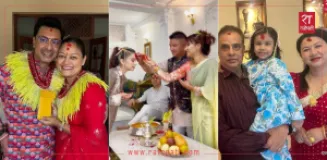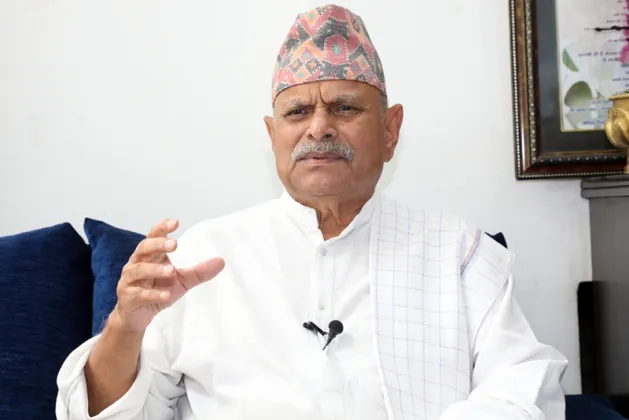
Former President Dr Ram Baran Yadav celebrated this year's Bada Dashain in his ancestral village of Sapahi, travelling to Laxminiya Rural Municipality-4 in Dhanusha district on Tuesday to spend the country's biggest Hindu festival with his family and brothers. The former head of state, who was born and raised in the Madhesh Province village, exchanged Vijaya Dashami greetings in a festive atmosphere, turning the quiet settlement into a centre of celebration for the day.
A festive homecoming in Sapahi
Yadav reached Sapahi on Tuesday as households across Nepal were marking Vijaya Dashami, the tenth and most significant day of the Dashain festival. According to Nepal Press, the former President observed the festival at his ancestral home in Pukhyuli of Sapahi, joined by his brothers and other family members.
As reported by RatoPati, the 87-year-old former President celebrated Dashain in his ancestral village, exchanging greetings and blessings in a lively and festive environment.
The visit carried particular meaning for the village itself. Despite decades of public life spent largely in Kathmandu and beyond, Yadav has remained closely associated with Sapahi, and his return during the festival gave residents a chance to greet the most prominent son of their village. Family elders and juniors gathered under one roof, exchanging tika, jamara and good wishes in keeping with the traditions of the day.
Vijaya Dashami: the heart of the Dashain festival
Bada Dashain is the longest and most widely celebrated festival among Nepali Hindus, observed over fifteen days according to the lunar calendar. It commemorates the victory of the goddess Durga over the demon Mahishasura, symbolising the triumph of good over evil. This year, like every year, the festival brought families together across the hills and the Tarai alike.
The festival unfolds through several key days:
- Ghatasthapana marks the start of Dashain, when a sacred vessel is installed and barley seeds are sown to grow jamara.
- Fulpati is observed on the seventh day, with sacred offerings brought into homes and shrines.
- Maha Ashtami and Maha Navami are days of worship and offerings to the goddess.
- Vijaya Dashami, the tenth day, is the centerpiece, when elders apply red tika and jamara on the foreheads of younger relatives and bless them with health, happiness and prosperity.
- Kojagrat Purnima brings the fifteen-day festival to a close.
For millions of Nepalis, Dashain is also a season of homecoming. Markets buzz with shoppers buying new clothes, sacrificial goats and festive delicacies, while highways and buses fill with people travelling back to their ancestral villages to reunite with parents, siblings and extended family. The custom of receiving tika from elders in one's birthplace remains one of the strongest traditions binding Nepali families together, whether they live in the hills, the Tarai or abroad.
From Sapahi to the first presidency
Yadav's personal story is closely tied to the village where he celebrated this year's festival. Born in Sapahi in 1948, he trained and practiced as a physician before entering politics, and rose to prominence during the political changes of the 1990s, serving as a minister, including with responsibility for the health portfolio. In 2008 he was elected to the first Constituent Assembly from his home district of Dhanusha.
Later that year, following the abolition of the centuries-old monarchy and the declaration of Nepal as a federal democratic republic, the Constituent Assembly elected him as the country's first President. He held the office from 2008 to 2015, presiding over a defining period in which Nepal transitioned from a Hindu kingdom to a secular republic and completed the drafting and promulgation of the 2015 Constitution.
Since leaving office, Yadav has continued to be regarded as one of the most influential political figures from Madhesh Province. His presence at his ancestral village during Dashain, rather than in the capital, reflected the deep pull that the festival's family traditions continue to hold for Nepalis of every background, including the highest officeholders of the state.
A Dashain close to the roots
For the people of Sapahi and neighbouring settlements in Laxminiya Rural Municipality, this year's Vijaya Dashami offered a rare occasion to celebrate alongside the village's most celebrated native. The festive atmosphere described in the village underlined how Dashain remains, above all, a festival of origins and belonging.
Yadav's homecoming also mirrored the journey undertaken by countless Nepali families this week, as sons and daughters returned to their villages to receive blessings from elders and to renew bonds strained by distance and busy lives. In choosing to celebrate Bada Dashain at his roots in Dhanusha, the former President demonstrated the enduring place of ancestral villages in the Nepali imagination, even for those who have held the highest office in the land.