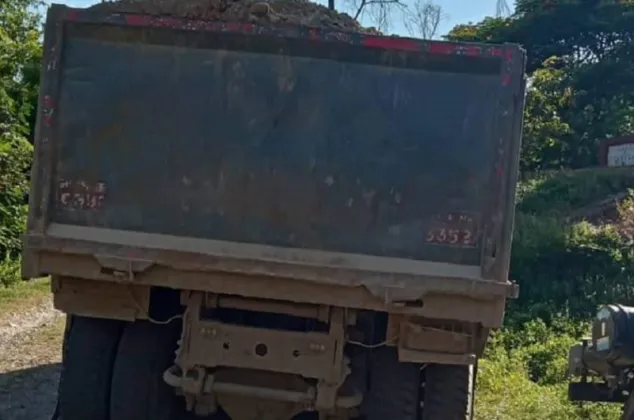
The District Administration Office (DAO), Kavrepalanchok has imposed a five-day ban on the movement of tipper trucks across the district's main and auxiliary roads for the Tihar festival, ordering the heavy vehicles off the roads from 5 am on Kartik 22 until 9 pm on Kartik 26. The restriction, announced through an official notice, was approved at a meeting of the District Security Committee, Kavrepalanchok, which concluded that keeping tippers off the highways would reduce traffic congestion and lower the risk of road accidents during the festive period, when the district's roads see their heaviest seasonal traffic. The notice was reported by RatoPati, with the details of the ban window also carried by Khabarhub.
Why the ban was ordered
The decision to restrict tipper movement was taken at a meeting of the District Security Committee, the district-level body that brings together the administration and security agencies to coordinate law-and-order and safety arrangements. The committee, according to the notice issued by the District Administration Office, Kavrepalanchok, identified two specific concerns for the festival period: growing traffic congestion and the heightened risk of road accidents.
The reasoning reflects the realities of festive-season travel in Nepal. Tihar is one of the country's most widely celebrated festivals, and the days around it see a massive movement of people returning to their home districts, shopping in bazaar areas and visiting relatives. Highways that normally carry a steady flow of freight and passenger vehicles become crowded with buses, cars and motorcycles, while market centres fill with pedestrians. In that environment, the presence of large, slow-moving tipper trucks can sharply increase delays and danger.
Kavrepalanchok, which lies immediately east of the Kathmandu Valley, is particularly exposed to this pressure. Its road network serves as a corridor for traffic moving between the capital and the eastern hills, and its main towns, including the district headquarters Dhulikhel and the commercial hub of Banepa, sit along busy highway stretches that pinch down through hilly terrain. Restricting the heaviest commercial vehicles during the peak festival window is intended to give passenger traffic more room on those roads.
What the notice says
The key points set out in the notice published by the District Administration Office, Kavrepalanchok, are as follows:
-
Who issued it: the District Administration Office, Kavrepalanchok, on the basis of a decision of the District Security Committee, Kavrepalanchok.
-
What is banned: the operation of tipper trucks on the district's main and auxiliary roads.
-
When it starts: from 5 am on Kartik 22.
-
When it ends: at 9 pm on Kartik 26.
-
Stated objectives: reducing traffic congestion and minimising the risk of accidents during the Tihar festival.
The ban window of roughly five days covers the core of the Tihar period, meaning the restriction will remain in force continuously through the festival rather than only on individual celebration days. Normal tipper movement on the district's roads can resume once the restriction lapses at 9 pm on Kartik 26.
Tippers are heavy dump trucks widely used to haul construction materials such as sand, gravel and rubble, and they are a familiar sight on the highways and feeder roads of the hill districts. Because of their size and slow speed, they are often the first vehicles targeted when administrations look to ease road conditions during major festivals.
A familiar festive-season measure
Time-bound restrictions on heavy vehicles are a common tool used by district administrations across Nepal during Dashain and Tihar. The approach is typically endorsed by District Security Committees, which review the security and traffic situation before major festivals and issue public notices on measures ranging from vehicle restrictions to market monitoring. The Kavrepalanchok decision follows that established pattern, applying a temporary rule tailored to the festival calendar rather than a year-round policy change.
The measure also reflects a broader concern about road safety during the festive season, when the combination of dense traffic, long-distance driving, night travel and crowded roadsides contributes to a seasonal spike in accidents. Removing the largest freight vehicles from the mix, even for a few days, is intended to reduce the odds of serious collisions on stretches where the road surface and width leave little margin for error.
What it means for travellers and transporters
For passengers heading home for Tihar and for families travelling between bazaar areas and villages, the ban should translate into comparatively lighter heavy-vehicle traffic on the district's main and auxiliary roads throughout the restricted window. Motorists, motorcyclists and pedestrians can plan their journeys around the period from 5 am on Kartik 22 to 9 pm on Kartik 26, when tippers will not be operating.
For transporters, quarry operators and construction suppliers, the notice effectively freezes tipper deliveries for the duration of the festival. Materials that would normally move through the district during those five days will need to be dispatched before the ban begins or held back until it ends. Businesses and drivers with trips scheduled during the window are advised to take the restriction into account when planning routes and timings.
With the notice now public, the District Administration Office, Kavrepalanchok's order stands as the authoritative reference for the ban's scope and timing. As published, the restriction applies solely to tipper trucks on the district's main and auxiliary roads, runs without interruption from the morning of Kartik 22 to late evening on Kartik 26, and is framed explicitly as a festival-period measure to keep Tihar travel safer and smoother for everyone on the road.