Nepal's second-largest festival, Tihar, began on Thursday, opening several days of lights, worship and celebration across the country. In the ancient Mithila region, which includes Mahottari district of Madhesh Province, the first day of the festival is observed as Dhanteras, with households lighting lamps at dusk to mark the auspicious beginning. According to reports by RatoPati and Thahakhabar, the festival follows the lunar calendar and begins from the Trayodashi tithi of Kartik Krishna Paksha, the thirteenth lunar day of the waning phase of the moon in the month of Kartik. The start of Tihar ushers in one of the most anticipated festive seasons in Nepal, celebrated with equal enthusiasm in the hills and the plains alike.
Festival of lights returns to Nepal
Tihar, often called the festival of lights, holds a place of special importance in Nepal's cultural calendar, second in scale only to Dashain. The festival transforms towns and villages across the country, as homes are cleaned, decorated and illuminated, and evenings take on a celebratory atmosphere with the glow of lamps and festive lights.
The celebration is deeply rooted in family and community life. It is a time when people return to their ancestral homes, prepare traditional delicacies, and take part in rituals that honor not only deities but also animals that share everyday life with people. Streets and marketplaces typically grow busier in the days leading up to and during the festival, as families shop for lamps, decorations, flowers and gifts.
The festival's blend of religious observance and social festivity makes it one of the most inclusive celebrations in the country, observed by communities across different regions and cultural traditions, each adding its own local color to the nationwide celebration.
Dhanteras observed in Mithila
In the Mithila region, the start of Tihar carries its own distinct identity. In Mahottari district and across the wider Mithila cultural area of Madhesh Province, the first day of the festival is observed as Dhanteras rather than under the names used elsewhere in the country. The defining ritual of the day is the lighting of lamps at dusk, when families illuminate their homes to formally welcome the festival.
The name Dhanteras itself reflects the day's association with wealth and well-being, and the observance highlights the richness of Mithila's own festival traditions. As one of the oldest cultural regions of the subcontinent, Mithila maintains a distinct calendar of customs and rituals that run alongside the national celebrations, and the observance of Tihar beginning with Dhanteras is a clear example of that heritage.
For families in Mahottari and neighboring districts, Thursday evening marked the moment the festival formally began, as lamps were lit at dusk and the festive season opened in homes across the district.
A date guided by the lunar calendar
The timing of Tihar is determined by the lunar calendar rather than a fixed date, and this year the festival began from the Trayodashi tithi of Kartik Krishna Paksha. The month of Kartik generally falls within October and November, and because the festival follows lunar phases, its start shifts from year to year.
The lunar reckoning also helps explain regional variations in observance. Communities across Nepal follow the tithi, or lunar day, in scheduling rituals, and local traditions attached to those days differ from region to region. In much of the hill region, the first day of Tihar is commonly known as Kaag Tihar, dedicated to the worship of crows, while in Mithila the same day is observed as Dhanteras, beginning with the lighting of lamps at dusk.
The days of celebration ahead
Traditionally observed over five days, Tihar dedicates successive days to different forms of worship, with each day carrying its own rituals and significance:
- The opening day marks the beginning of the festival, observed as Dhanteras in the Mithila region, including Mahottari district.
- The following days are traditionally devoted to the worship of animals central to rural and household life, including crows, dogs, cows and oxen.
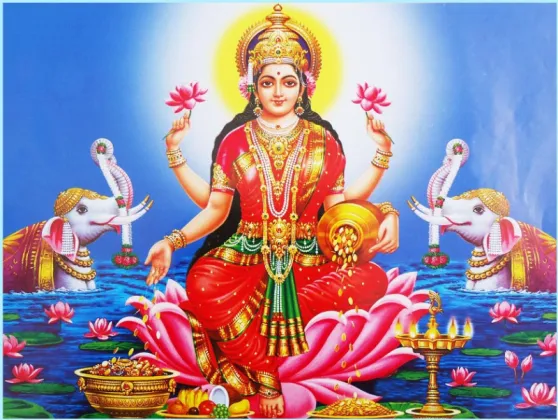
- The festival also includes the worship of the goddess Laxmi, the deity of wealth, when homes are lit and decorated to welcome her blessings.
- The celebration culminates with the observance honoring the bond between brothers and sisters, one of the most cherished rituals of the festival.
Beyond the rituals, Tihar is also a season of song and social visits, with groups of singers traditionally moving through neighborhoods in the evenings, and relatives and friends exchanging greetings and good wishes.
With the first lamps lit on Thursday evening in Mithila and the festival formally under way, celebrations are now expected to continue across the country in the days ahead, as households observe the rituals of each tithi and communities come together to mark one of Nepal's most beloved festivals.